Categories
Fissure Fistula General Piles

Piles, Fissure, or Fistula? How to Identify Your Anorectal Symptoms and the Advanced Ayurvedic Cures

🩺 Medically Fact-Checked and Written by: Dr. Ravinder Sharma, MS (Ayurveda)
🎯 Clinical Focus: Differential Anorectal Diagnosis | Minimally Invasive Para-Surgical Care
📍 Service Areas: Vasant Kunj | Saket | South Extension | Vasant Vihar | Malviya Nagar | Chattarpur
⏱️ Reading Time: 8 Minutes

When perianal discomfort strikes, the immediate reaction for most corporate workers and residents in South Delhi is a wave of private anxiety. Whether it is a sudden streak of bright red blood in the commode, a painful lump that makes sitting at your office desk painful, or a persistent, localized throbbing ache, our natural instinct is to bucket everything under a single generic term: “piles.”

However, self-diagnosing and relying on random over-the-counter ointments can be a dangerous medical misstep. Anorectal disorders encompass completely distinct anatomical pathologies. Applying a basic hemorrhoidal cream to a deep, tracking infectious track or a hypertonic muscle tear will not only fail to heal the condition, but it also allows the disease to progress into complex, multi-branched stages that are far more difficult to treat.

As the Chief Consulting Proctologist at Piles To Smiles in Vasant Kunj, my 18+ years of specialized surgical experience has taught me that diagnostic clarity is the first step toward a permanent cure. Today, we will break down the precise clinical differences between the three most common anorectal conditions—Piles, Fissures, and Fistulas—and explain why advanced, non-cutting Ayurvedic para-surgical methods stand as the modern gold standard for permanent healing.

The Anorectal Triad: Understanding the Pathologies

To accurately identify your symptoms, you must understand exactly what is happening inside the delicate tissues of the anal canal. Let us isolate each condition:

1. Piles (Hemorrhoids / Arsha)

The Pathology: Hemorrhoids are abnormally swollen, inflamed vascular cushions or varicose veins located inside or just outside the anal lining. They manifest due to chronic pelvic pressure, frequently caused by straining during bowel transit or long hours of uninterrupted sitting.

Primary Indicators: Splash-and-drop, painless bright red bleeding during defecation, accompanied by soft, prolapsing tissue masses that slide out during a bowel movement and either spontaneously retract or require manual replacement.

2. Anal Fissure (Parikartika)

The Pathology: An anal fissure is a physical, longitudinal tear or crack in the lower mucosal lining of the anal canal. This tear triggers an intense, involuntary contraction or spasm of the internal anal sphincter muscle, which restricts local blood flow and severely delays natural healing.

Primary Indicators: An intense, sharp, searing pain during bowel transit that feels exactly like passing shards of broken glass, followed by a lingering, throbbing ache that can persist for hours, often accompanied by minimal streaks of blood on the toilet paper.

3. Fistula-in-Ano (Bhagandara)

The Pathology: A fistula is an abnormal, hollow tunnel or tracking path that connects an infected internal anal gland to the external skin surrounding the perianal area. It almost always originates from a neglected perianal abscess that burst or drained incompletely.

Primary Indicators: A small, firm opening or boil-like bump on the skin near the anus that continuously or intermittently discharges pus, watery fluid, or blood, resulting in localized swelling, skin irritation, and a deep, cyclical throbbing pain that eases temporarily whenever the track ruptures and drains.

Diagnostic Warning: If your painful discharging pore is located significantly higher up, strictly clustered in the midline tailbone crease rather than directly adjacent to the anal opening, it is a separate pathology known as a pilonidal sinus. Read our definitive guide on Pilonidal Sinus & Ksharsutra Permanent Cure here.

Symptom Matrix: Cross-Examining Your Discomfort

To help you quickly differentiate your symptoms before your clinical examination at our Anorectal clinic in South Delhi, look at this structured diagnostic parameter matrix:

Swipe table horizontally to view completely →
Symptom Pattern Piles (Hemorrhoids) Anal Fissure Fistula-in-Ano
Pain Profile Usually painless unless thrombosed or heavily prolapsed. Sharp, agonizing, cutting pain during and long after stool passing. Constant, dull, throbbing pain that intensifies when pus builds up.
Nature of Bleeding Fresh bright red blood spraying or dropping into the bowl. Minor bright red streaks visible on the toilet paper or stool surface. Intermittent, dark blood mixed with foul-smelling pus discharge.
Physical Anomalies Soft, smooth vascular tissue lumps that prolapse out. A tight, rigid anal opening, often accompanied by a small external skin tag. A firm, persistent external pore or opening discharging fluid on perianal skin.

Why Conventional Surgeries Fail to Provide Permanent Relief

The primary reason patients avoid seeking expert proctology care is a deep-seated fear of traditional open surgeries. Conventional surgical procedures—such as a manual hemorrhoidectomy, open fistulectomy, or lateral sphincterotomy—rely heavily on physical cutting, excision, or muscle splitting. This aggressive approach results in extended, painful hospital stays, heavy post-operative open wounds requiring daily painful dressings, and a significant, permanently worrying risk of accidental sphincter muscle damage that can lead to fecal incontinence.

Furthermore, traditional cutting methods carry a high recurrence rate, particularly in complex fistulas, because they fail to alter the local micro-environment or thoroughly clean microscopic branching tracking lines. This is exactly where advanced Ayurvedic para-surgical standards completely change the clinical paradigm.

The Minimal-Access Alternative: Kshar Karma & Ksharsutra

Rather than using aggressive surgical cutting, our specialized treatments utilize the unique therapeutic power of standardized, organic alkaline herbal applications. In international medical research databases, these methodologies are recognized as a highly successful, minimally invasive specialized Ayurvedic para-surgical therapy. These methods include:

  • Kshar Karma (For Piles & Fissures): A precise, controlled application of a highly specialized alkaline plant paste (derived from herbs like Apamarga) directly onto internal pile masses or hardened fissure margins under local anesthesia. It acts through targeted chemical ablation, gently dissolving the pathological tissue, relaxing hypertonic muscle spasms, and inducing healthy capillary regeneration without any physical cutting or stitches.
  • Ksharsutra Ligation (For Complex Fistulas): A specialized, medicated linen thread coated with organic plant resins and alkaline layers is laid directly inside the tracking tunnel of the fistula. It performs simultaneous, gradual chemical cutting and debridement of the tracking path, cleanly sloughing off the infected inner lining while allowing fresh, healthy tissue to heal the path from the inside out. This approach guarantees 100% preservation of your anal sphincter control.

🌿 Doctor’s Tip: The Chronic Sitting Threat

“For tech professionals, executives, and desk workers commuting across South Delhi, sitting continuously for over 4 hours is the single greatest catalyst for anorectal diseases. It creates prolonged venous congestion in the hemorrhoidal plexus, which directly ballooning tissue into piles, while simultaneously tightening pelvic floor dynamics, which causes constipation and fissures. I always advise my patients to follow the ’50-10 Rule’: for every 50 minutes of continuous desk sitting, stand and walk for 10 minutes to reset pelvic circulation. Never sit on the toilet commode for longer than 5 minutes, as the open seat acts as a gravitational trap that aggressively engorges perianal veins.”

— Dr. Ravinder Sharma, MS (Ayurveda)

Schedule Your Advanced Diagnostic Mapping Today

Perianal pain, chronic bleeding, or recurring discharge tracks are not matters to be ignored or managed with short-term self-medication. At our specialized Vasant Kunj proctology facility, we provide a highly private, empathetic, and clinically precise digital mapping process to isolate your exact condition within minutes, giving you a clear path toward a permanent, non-cutting outpatient cure.

🎯 Frequently Asked Patient Questions (FAQ)

❓ Can a single patient have Piles and an Anal Fissure at the same time?
Yes, this is a very common clinical scenario we treat at our Vasant Kunj clinic. Chronic constipation forces a patient to strain excessively. The hard stool physically tears the mucosal lining (causing a painful anal fissure), while the massive downward pressure simultaneously engorges and balloons the surrounding local vascular cushions (resulting in bleeding piles). A precise clinical mapping is required to treat both pathologies in a single outpatient session.
❓ Will a neglected anal fissure turn into an infectious Fistula-in-Ano?
Directly, no—they are structurally different pathologies. A fissure is a superficial skin tear, whereas a fistula is a deep, hollow tunnel originating from an infected internal anal gland. However, if a chronic fissure becomes deeply ulcerated and chronically infected due to poor local hygiene or low immunity, bacteria can migrate into the deep perianal spaces, form an abscess, and eventually rupture externally to create a fistula tract. Early staging prevents this escalation.
❓ Why do over-the-counter piles creams fail to cure my persistent symptoms?
Commercial over-the-counter ointments contain basic local anesthetics or mild anti-inflammatory agents like hydrocortisone. They are formulated strictly to provide temporary symptomatic cooling by numbing local nerve endings. They have zero capacity to structurally ablate prolapsed internal pile masses, break a deep hypertonic sphincter muscle spasm, or close a tracking chronic fistula tunnel. Relying on them simply delays accurate clinical diagnosis.
❓ What makes Kshar Karma and Ksharsutra safer than traditional surgery?
Conventional open surgeries rely on aggressive manual cutting, excision, or muscle splitting (such as a sphincterotomy or fistulectomy), which carries a baseline risk of permanent fecal or gas incontinence due to sphincter trauma. Advanced Ayurvedic para-surgical methods use targeted chemical debridement via plant-derived alkaline layers. They safely dissolve diseased tissue walls and stimulate localized blood flow with absolute muscle preservation, reducing long-term recurrence rates to less than 1%.
Categories
Fissure

Passing Glass? Why Your Recurring Anal Fissure Isn’t Healing and How Kshar Karma Fixes It Permanently

🩺 Medically Fact-Checked and Written by: Dr. Ravinder Sharma, MS (Ayurveda)
🎯 Clinical Focus: Chronic Anal Fissure Care | Non-Surgical Kshar Karma Ablation Vasant Kunj
📍 Service Areas: Vasant Kunj | Saket | South Extension | Vasant Vihar | Gurugram | Hauz Khas
⏱️ Reading Time: 7 Minutes

It is a silent, agonizing pattern experienced by thousands of corporate workers and desk executives across Delhi-NCR daily. You head to the restroom, dreading what comes next, because passing stool has begun to feel exactly like passing shards of broken glass. The sharp, searing pain doesn’t stop when you leave the restroom either; it lingers as a deep, throbbing ache that makes sitting through a 2-hour corporate presentation in Vasant Kunj or Saket almost physically impossible.

Many patients suffer in silence for months, mistakenly assuming they have simple piles, and continually apply over-the-counter creams that provide only fleeting relief. When the tear refuses to close and continues to bleed, a profound anxiety sets in, dominated by a fear of conventional hospital surgeries, cutting procedures, and the terrifying prospect of accidental fecal incontinence.

As an MS (Ayurveda) Surgeon in General Surgery with over 18 years of clinical experience, I want to pull back the curtain on the true underlying pathology of non-healing anal tears. At Piles To Smiles, we utilize specialized Kshar Karma therapy—a precise, minimal-access treatment that breaks the chronic cycle of pain and repairs fissures at the root cause, completely eliminating the need for invasive surgical cutting.

If your symptoms involve severe tailbone pain, swelling, fluid discharge pores near the tailbone crease, and localized pressure rather than pain during bowel transit, you may be dealing with a pilonidal sinus condition rather than a fissure. Understanding this diagnostic difference is critical. You can read our comprehensive specialist guide on Pilonidal Sinus & Ksharsutra Permanent Cure here.

The Pathology Cycle: Why Won’t the Fissure Heal?

An acute anal fissure is simply a minor, clean tear in the delicate mucosal lining of the anal canal, usually brought on by temporary constipation. However, when a tear transforms into a chronic anal fissure, it is no longer a simple skin issue. It has trapped your anatomy within a dangerous, self-sustaining loop known as the Sphincter Spasm Cycle:

🔄 The Hypertonic Spasm Loop

When a bowel movement tears the canal, the internal anal sphincter muscle goes into an involuntary, aggressive defensive spasm to guard the wound. This severe contraction chokes local blood vessels, cutting off vital blood supply (local ischemia) to the injury site. Without rich, oxygenated blood flow, the raw tissue simply cannot regenerate. The tear edges harden, turn fibrotic, and create an unyielding ulcer that reopens with every successive bowel movement.

Over time, this chronic inflammation triggers structural changes at the boundary walls of the canal, presenting as two distinct warning signs:

  • The Sentinel Tag (Guard Pile): A firm, protective skin tag that forms at the external base of the tear, often mistaken by patients for an external pile mass.
  • Hypertrophied Anal Papillae: An internal inflammatory projection at the upper boundary of the fissure tract that acts as a continuous tracking source for localized irritation.

Breaking the Spasm: Kshar Karma vs. Conventional Surgery

To heal a chronic fissure permanently, you must eliminate the muscle spasm. Traditional allopathic proctology achieves this via a surgical procedure called a Lateral Internal Sphincterotomy (LIS), where a surgeon physically cuts a segment of your internal sphincter muscle. While this reduces pressure, it permanently damages your muscular anatomy and carries an inherent, lifelong risk of gas or fecal leakage.

Swipe table horizontally to view completely →
Treatment Parameter Conventional Sphincterotomy (LIS) Specialized Kshar Karma (Ayurveda)
Surgical Trauma Invasive cutting or splitting of the internal anal sphincter muscle fibers. Zero structural cutting. 100% muscle preservation through precise chemical application.
Incontinence Risk Carries a small but permanent lifelong risk of accidental gas or fluid leakage. Absolute zero risk. Sphincter tone and physical control mechanism remain untouched.
Recovery & Downtime Hospital stay, deep wound stitches, and weeks of painful post-op daily dressings. 30-minute daycare outpatient session. Return to light desk work within 24 hours.

The Science of Kshar Karma: Chemical Debridement and Fast Healing

In Ayurvedic surgery, rather than destroying healthy muscle structure, we address the hypertonic state of the sphincter chemically. Kshar Karma—recognized clinically as a highly effective specialized Ayurvedic para-surgical therapy—involves the targeted, controlled application of a highly specialized, alkaline medication processed from organic plant enzymes (like Apamarga Kshar).

When applied precisely inside the anal canal under safe, localized anesthesia, Kshar Karma acts as a dual healing vector:

1. Chemical Debridement of Fibrotic Margins

The specialized alkaline coating gently dissolves the non-healing, calloused, and dead margins of the chronic ulcer. It safely clears away the hardened tissue and trims the sentinel tag, immediately resetting the wound bed into a clean, raw state capable of regeneration.

2. Sphincter Relaxation and Neovascularization

The alkaline action gently reduces the hypertonicity of the internal sphincter muscle without cutting a single fiber. This drops the resting canal pressure, completely breaking the agonizing muscle spasm. Fresh, oxygen-rich blood supply immediately floods back into the tissue, establishing new capillary networks (neovascularization) that heal the tear cleanly from its base upward.

🌿 Doctor’s Tip: Breaking Stool Friction Safely

“For patients in South Delhi managing early-stage anal irritation, preventing hard stools is paramount, but over-reliance on chemical laxatives can actually worsen a fissure by inducing liquid diarrhea, which is equally caustic to an open wound. Instead, focus on mechanical lubrication. I regularly prescribe a balanced regimen including localized application of specialized Jatyadi Oil before and after bowel evacuation to act as a smooth friction barrier, alongside internal administration of mild bowel softeners like Triphala Guggulu to regulate tone. Avoid straining on the commode for longer than 3 minutes entirely.”

— Dr. Ravinder Sharma, MS (Ayurveda)

Reclaim Your Comfort Without the Fear of Surgery

An anal fissure is not a lifetime sentence of pain, and delaying expert care out of fear of the surgical knife only allows the tissue to become more calloused, fibrotic, and complex to resolve. Early clinical staging and a single outpatient Kshar Karma session at our Vasant Kunj facility can completely free you from the glass-sharp agony, letting you sit, commute, and live without constant anxiety.

Frequently Asked Questions (FAQs)

Why does my anal fissure keep tearing open again and again? +
A chronic fissure refuses to heal because of a dangerous pathology cycle called a sphincter spasm. When a tear occurs, the internal anal sphincter muscle tightens aggressively to guard the wound. This intense contraction restricts local blood supply (ischemia) to the tear. Without adequate oxygenated blood, the tissue becomes brittle, turning a simple acute tear into a hardened ulcer that reopens with almost every bowel movement.
What is Kshar Karma treatment for a fissure, and how does it work? +
Kshar Karma is a specialized, non-surgical Ayurvedic para-surgical therapy where a highly precise, alkaline plant-based paste is applied directly to the chronic fissure bed. It safely dissolves fibrotic, non-healing margins and chemically relaxes the hypertonic sphincter muscle. This instantly breaks the painful spasm cycle and restores blood flow, allowing healthy granulation tissue to rebuild the canal smoothly without cutting any muscles.
Is Kshar Karma better than a conventional lateral internal sphincterotomy (LIS)? +
Yes, for many patients, Kshar Karma offers a much safer treatment track. Conventional surgical sphincterotomy permanently cuts a portion of the internal sphincter muscle to relieve pressure, carrying a small lifelong risk of accidental fecal incontinence or gas leakage. Kshar Karma achieves the exact same pressure relief chemically and safely, preserving 100% of your structural muscle integrity.
Categories
Fissure Piles

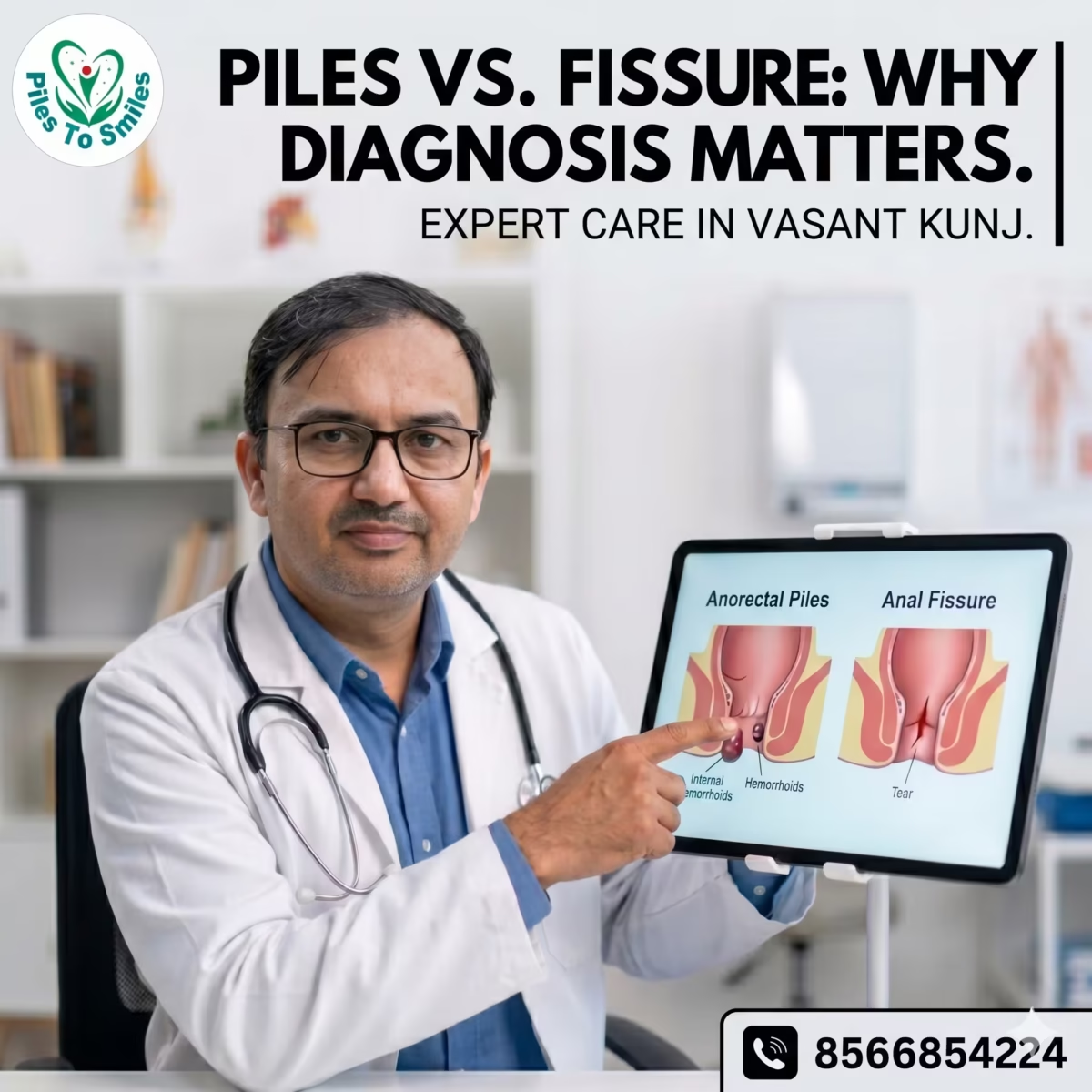
Piles vs. Fissure: Specialist Guide | South Delhi Proctologist

The Diagnostic Dilemma: Is it Piles or a Fissure?

For many patients visiting my clinic in Vasant Kunj, the first sign of trouble is usually blood in the toilet or a sudden, sharp pain. The most common mistake is assuming every anorectal discomfort is “Piles.”

However, as a Proctologist in South Delhi, I often see patients who have been self-treating for Piles for months, only to find out they actually have a chronic Anal Fissure. Understanding the difference is not just about medical curiosity—it is the difference between a quick recovery and months of unnecessary suffering.

The Specialist’s Comparison Checklist

While both conditions occur in the same area, their “clinical personality” is very different. Use this checklist to understand your symptoms before your consultation at Piles To Smiles.

FeaturePiles (Hemorrhoids)Anal Fissure
Primary PainOften painless. Discomfort occurs mainly during prolapse.Acute, sharp, “razor-cut” pain during and after bowel movements.
Nature of BleedingDripping or “sprinkling” in the pan.Bright red streaks, usually seen only on the toilet tissue.
Physical SensationSoft, fleshy lumps or a feeling of “fullness.”A feeling of extreme tightness or a stinging sensation.
Duration of PainDull ache that subsides after sitting or lying down.Lingering pain that can last for minutes to hours after passing stool.

While the symptoms overlap, the clinical objective for treating them is polar opposites. Treating a Fissure as a Pile—or vice versa—can lead to delayed healing and unnecessary post-procedure pain.
________________________________________

Understanding Piles (Hemorrhoids)

Piles are essentially swollen blood vessels (varicose veins) in the anal canal. In our South Delhi practice, we categorize them into:

  1. Internal Piles: Located inside the rectum. They are usually painless but bleed easily.
  2. External Piles: Located under the skin around the anus. These can become “thrombosed” (clotted), causing sudden, hard lumps and significant pain.

Understanding Anal Fissures

An Anal Fissure is a small tear or crack in the lining of the anal canal—much like a “paper cut” in an incredibly sensitive area. However, the true healing hurdle is the Muscle Spasm. Unlike a cut on your hand, a fissure is kept open by a “tight” anal sphincter muscle.

When a tear occurs, this muscle goes into a protective spasm, which severely restricts blood flow to the area. Because healing cannot happen without adequate circulation, the fissure remains open and becomes chronic. This cycle of tension is why many South Delhi professionals, especially those leading high-stress lives, find that their fissure keeps returning every few weeks and why simple over-the-counter creams often fail to provide a permanent cure.
________________________________________

The “Sentinel Tag” Confusion: Is it a Pile or a Fissure?

Many patients visit our South Delhi clinic complaining of a “painless lump,” assuming it is an external pile. However, in chronic fissures, the body often creates a Sentinel Tag—a protective skin fold formed in response to a long-standing tear.

Treating this tag with piles medication fails because the root cause is the underlying fissure. At our Vasant Kunj clinic, we use Ksharsutra to heal the fissure itself. This eliminates the source of the irritation, ensuring the tag is removed permanently and the skin doesn’t tear again.
________________________________________

The Delhi-NCR “Why Me?” Factor: Top Triggers

At my Vasant Kunj clinic, I’ve identified three primary triggers that make our region a hotspot for anorectal issues:

  • The Sedentary Trap: Professionals in Cyber City or Okhla sitting for 8–10 hours face constant pelvic floor pressure, weakening anal veins (Piles) and restricting mucosal blood flow (Fissure).
  • The Commuter’s Strain: Long drives from Noida to South Delhi often lead to dehydration and “holding it in,” causing hard stools that tear the anal canal.
  • The Spice & Stress Cycle: Combining Delhi’s spicy food with high-stress corporate environments increases digestive heat (Pitta), leading to the inflammation of delicate anal tissues.

Quick Prevention Tips:

  1. Micro-Breaks: Stand up for 2 minutes for every 45 minutes of sitting.
  2. Hydration: The Delhi heat is unforgiving; aim for 3–4 liters of water to keep stools soft.
  3. Fiber Load: Incorporate local seasonal greens to ensure a smooth bowel movement, reducing the need to strain.

Why a Specialist’s Diagnosis Matters

As a Pilonidal Sinus and Proctology specialist, I emphasize that “one size does not fit all.”

  • For Piles: Treatment focuses on shrinking the vascular mass.
  • For Fissure: Treatment focuses on relaxing the sphincter muscle and healing the mucosal tear.

If you use a “Piles cream” for a Fissure, or vice versa, you are simply masking the symptoms while the underlying condition worsens.

One Tool, Two Different Missions

Many patients ask, ‘If you use Ksharsutra for both, why does the diagnosis matter?’ The answer lies in the surgical technique:

  • For Piles: The thread is used for Ligation. It acts as a precise ‘tourniquet’ to cut off blood supply to the mass, causing it to shrink and shed naturally.
  • For Fissures: The thread acts as a Chemical Sphincterotomy. It is applied to gently release the muscle spasm and cleanse the tear, allowing fresh, oxygenated blood to reach the wound and heal it from the base up.

________________________________________

The Ksharsutra Advantage at Piles To Smiles

For patients with Grade 1 or early Grade 2 internal piles, we often utilize Kshar Karma. This involves the precise topical application of a specialized alkaline paste to the hemorrhoidal mass. It is a non-invasive, painless way to shrink internal piles without any cutting, perfectly complementing our minimally invasive philosophy.

Whether you are dealing with Grade 2 Piles or a Chronic Fissure with a sentinel tag, our gold standard is Ksharsutra (Medicated Thread Therapy).
Patients from Vasant Kunj, Gurugram, and Okhla choose this over conventional surgery because:

  • Precision: It treats only the diseased tissue, sparing the healthy muscles.
  • No Hospitalization: It is an OPD procedure; you drive home the same day.
  • Zero Downtime: Most of our patients return to their desk jobs within 24–48 hours.
  • Permanent Results: By inducing controlled fibrosis, we ensure the recurrence rate is significantly lower than laser or open surgery.

⚠️ When to Seek Urgent Medical Attention

While Piles and Fissures are manageable conditions, certain “Red Flags” require an immediate clinical examination to rule out more serious pathology.

Seek urgent consultation at Piles To Smiles or your nearest emergency center if you experience:

“Early detection is the key to minimally invasive recovery. If you are unsure, a 10-minute clinical mapping is the safest path forward.”

________________________________________

Ksharsutra vs. Laser: Choosing the Right Path

While Laser is a high-tech option for early-stage internal piles, it can sometimes seal infections within ‘dead spaces.’ At Piles To Smiles, I prefer Ksharsutra for chronic or complex cases because it acts as a medicated debridement tool—cleansing the area as it heals to ensure the lowest possible recurrence rate.

Self-diagnosis is the biggest enemy of recovery. If you are using a piles cream for a fissure, you are trying to shrink a vein when you should be relaxing a muscle. A 10-minute clinical mapping at Piles To Smiles can save you 10 months of recurring pain.” – Dr. Ravinder Sharma

Expert Care in Vasant Kunj

Don’t let a “minor irritation” turn into a chronic lifestyle hurdle. If you are experiencing pain or bleeding, get a definitive clinical mapping. At Piles To Smiles, we combine surgical precision with the wisdom of Ayurveda to ensure you return to your life, pain-free.

Stop the guesswork. Start the healing.
Disclaimer: This guide is for educational purposes. A physical examination by a qualified Proctologist is essential for a correct diagnosis and treatment plan.

FAQs: Piles & Fissure Treatment in Vasant Kunj, South Delhi

As a specialist serving Vasant Kunj and South Delhi, I address the most frequent concerns patients have about chronic pain, bleeding, and Ksharsutra treatment.

What is the main difference between Piles and Anal Fissure symptoms?

The primary difference is the nature of the pain. Anal Fissures cause an acute, sharp “razor-cut” pain during bowel movements that can linger for hours. Piles (Hemorrhoids) are often painless or cause a dull ache, characterized more by bright red bleeding or soft lumps. A specialist diagnosis at our Vasant Kunj clinic can provide a definitive clinical mapping.

While Laser is a high-tech option for early-stage internal piles, Ksharsutra is often preferred for chronic or complex cases in Delhi-NCR. It acts as a medicated debridement tool, cleansing the area while it heals. This results in significantly lower recurrence rates compared to conventional surgery or laser treatments, particularly for fissures where releasing the muscle spasm is key.

High-stress corporate environments in hubs like Cyber City and Okhla lead to a “Sedentary Trap.” Long sitting hours, dehydration from the Delhi heat, and high-stress eating habits (increasing Pitta) contribute to pelvic pressure and constipation—the two biggest triggers for both Piles and Fissures.

No. Piles creams are designed to shrink swollen veins. However, a chronic fissure is a tear kept open by a muscle spasm. Using the wrong medication can mask symptoms while the condition worsens. As a South Delhi Proctologist, I recommend a clinical evaluation to ensure you are relaxing the muscle rather than just treating a vein.

For those seeking a blend of surgical precision and Ayurvedic wisdom, Dr. Ravinder Sharma (MS Ayurveda) at Piles To Smiles in Vasant Kunj is a leading expert. He specializes in minimally invasive, non-hospitalization treatments (Ksharsutra and Kshar Karma) for patients across South Delhi, Gurugram, and Noida.

Categories
Fissure

Anal Fissure Causes & Prevention: A Delhi Specialist’s Comprehensive Guide

  • Medically Reviewed by Dr. Ravinder Sharma, Lead Proctologist & Senior Consultant Surgeon, Piles To Smiles
  • Reading Time: 7 Minutes
  • Disclaimer: The following content is for educational purposes only and does not constitute medical advice, diagnosis, or treatment. Always seek the advice of a qualified physician or proctologist with any questions you may have regarding a medical condition.

________________________________________

For many professionals in the high-pressure hubs of Okhla and Gurugram, the sedentary nature of modern desk work has turned the daily routine into a painful endurance test. If you are experiencing a sharp, ‘glass-like’ pain, consulting an anal fissure specialist in Delhi is your first step toward relief. This isn’t just a minor annoyance; it’s a significant disruption to your professional life. The good news is that at Piles To Smiles, we specialize in advanced, non-surgical strategies that prove 80% of cases are curable without a trip to the operating room.

________________________________________

Symptoms of Anal Fissure: How to Identify the ‘Glass-Like’ Pain

An anal fissure is a small tear in the sensitive lining of the anus. While the cut may be small, the pain is often disproportionately severe because this area is rich in nerve endings.

Common Symptoms of Fissure:

  • Sharp, glass-like pain during bowel movements (often lasting for hours).
  • Bright red blood on the toilet paper or stool.
  • A visible crack in the skin around the anus.
  • Sentinel Pile: A small skin tag that may develop near the tear in chronic cases.

________________________________________

The 60-Second Self-Check: Is it a Fissure or Piles?

Patients often confuse fissures with Piles (Hemorrhoids). Specialists emphasize that the key differentiator is pain: Piles are typically painless (unless thrombosed), whereas fissures are characterized by sharp, tearing pain.

FeatureAnal Fissure (Tear) Hemorrhoids (Piles)
Primary SensationSharp, cutting, “glass-like”Dull ache, heaviness, or itching
Bleeding Pattern Bright red streaks on surfaceDripping or splashing in the bowl
Physical FindingTight canal; possible skin tag Soft, grape-like protrusions

Acute vs. Chronic: Understanding the Stages

Not all fissures are the same. Distinguishing between an “Acute” and “Chronic” fissure is the single most important factor in determining your treatment plan.

1. Acute Anal Fissure (The “Fresh Cut”)

  • Timeline: Present for less than 4-6 weeks.
  • Appearance: Looks like a fresh paper cut or a linear tear. The edges are clean and soft.
  • Treatment Outlook: Highly treatable. Over 90% of acute fissures heal with just dietary changes, hydration, and home remedies (conservative management) within a few weeks.

2. Chronic Anal Fissure (The “Stubborn Ulcer”)

  • Timeline: Persists for more than 6-8 weeks.
  • Appearance: The tear deepens and develops raised, hardened edges (fibrosis).
  • Treatment Outlook: Rarely heals on its own. Chronic fissures typically require medical intervention (Ointments/Botox) or minor surgical procedures (LIS)/ Ksharsutra treatment to relax the muscle and allow the skin to heal.

________________________________________

The “Vicious Cycle”: Why Some Fissures Fail to Heal

The “Vicious Cycle” begins when a physical tear triggers an involuntary muscle spasm in the internal anal sphincter, creating a state of constant tension.

  • Spasm: The muscle remains in a state of constant contraction.
  • Less Blood Flow: This tension physically compresses local blood vessels, cutting off the “supply line” to the injury.
  • No Healing: Without adequate circulation, the wound cannot repair itself, leading to chronic scarring and a non-healing ulcer.

________________________________________

The Delhi-NCR Lifestyle Audit: Why Our Region is a Fissure Hotspot

Living in the NCR presents unique physiological challenges. To find the best anal fissure treatment in Delhi, we must look at these local triggers:

The Corporate Trap: 

Professionals in Cyber City, Noida, and Okhla often sit for 10+ hours. This “occupational hazard” restricts blood flow to the anal canal and slows gut motility.

The “Loo” Effect (Dehydration): 

Delhi’s dry heat and scorching summers (April–June) deplete body fluids rapidly. Systemic dehydration hardens stool by nearly 40%, turning it into “sandpaper” against the anal lining.

The Street Food Toll: 

High-pressure lives lead to quick, Maida-heavy meals. Frequent consumption of spicy snacks creates “constipation-diarrhea” cycles, the primary mechanical cause of a tear.

The Gym Factor: 

With the rise of fitness culture in South Delhi, we see a surge in fissures caused by improper breathing (Valsalva Maneuver) during heavy deadlifts and squats, creating sudden intra-abdominal pressure.

Post-Partum Risk: 

It is important to note that physical strain isn’t limited to the gym. Studies indicate that up to 15% of women develop fissures after childbirth. The combination of intense pushing during labor and the hormonal changes that affect bowel movements post-delivery makes new mothers a high-risk group in the region.

________________________________________

The Delhi-NCR Survival Guide: Environment & Prevention

In the dry, extreme climate of Delhi-NCR, preventing a fissure relapse requires a strategy tailored to the local lifestyle.

The Climate-Hydration Strategy

  • The Target: Aim for 3–4 liters of fluid. Supplement water with Chaachh (buttermilk) or coconut water to replenish electrolytes lost to the NCR sun.
  • The “Sequential” Method: Drink 250ml every hour rather than “gulping” large volumes. This ensures the colon receives a steady supply of moisture, preventing the “mechanical tearing” caused by hard stools.

The “Commuter’s Ritual.”

For those facing 90-minute commutes through Dhaula Kuan or the Gurugram toll, “rushed” bowel movements are a leading cause of fissure. Follow this ritual before hitting the road:

  • Early Hydration (06:30 AM): Drink 500ml of lukewarm water to activate the Gastrocolic Reflex, signaling the body to move naturally without straining.
  • The “Squat-Assist” Posture: Use a 6-to-8-inch footstool. This relaxes the puborectalis muscle, allowing passage with significantly less effort.
  • Pre-Movement Protection: Apply a thin layer of coconut oil or petroleum jelly. This creates a physical barrier, allowing stool to glide over the anal lining, preventing any frictional injury.

Dietary Corrections: Local Delhi-NCR

Quick Fixes: Smart Swaps for the Delhi Plate

Current ChoiceRecommended SwapMedical Benefit
Maida (Bhature/Naan)Oats-Atta or Multigrain Roti

Increases soluble fiber, creating a “gel” in the gut for a smoother transit.

Heavy/Fried Sides Ghiya (Bottle Gourd) & Tinda (Apple Gourd) 

High water content and natural cooling properties keep stools soft.

Fried Samosas Roasted Makhana or Sprouted Moong 

Provides necessary bulk for healthy peristalsis without the grease.

  “In my 18 years of treating Delhi’s professionals, I’ve observed that 90% of chronic fissures are failed by ‘waiting too long.’ If a tear hasn’t healed in 6 weeks, the anatomy has changed—it’s no longer a simple cut, it’s a chronic ulcer.” — Dr. Ravinder Sharma

________________________________________

When is it an Emergency? (Red Flags)

If you reside in the Delhi-NCR area and experience any of the following Red Flags, seek medical intervention within 24 hours:

  • Pus or Abnormal Discharge: Foul-smelling or yellow discharge indicates a potential abscess or fistula requiring urgent surgical drainage.
  • High-Grade Fever or Chills: Systemic symptoms suggest a localized infection is spreading and requires immediate clinical assessment.
  • Dark or Maroon-Colored Stools: Darker blood signifies a proximal gastrointestinal issue, such as internal bleeding or IBD, rather than a simple fissure.
  • Inability to Pass Motion (Tenesmus): Severe pain causing a bowel “shutdown” necessitates intervention to prevent fecal impaction.
  • Extreme Pain Unrelieved by Home Care: Pain rated 9/10 or 10/10 despite sitz baths indicates a high-pressure sphincter spasm requiring professional clinical relaxation.
  • The 2-Week Rule: If pain persists or you see these Red Flags (Pus, Fever, Skin Tags), see a specialist immediately.

The Risk of “Silent Progression“: Delaying care due to social stigma can transform a minor 15-minute procedure into a multi-stage clinical recovery.

________________________________________

Anal Fissure Treatment Options in Delhi: From Home Care to Laser & Ksharsutra

Tier 1: Conservative Management (The 2-Week Trial)

Goal: Soften stool and relax the Internal Anal Sphincter (IAS) for “mechanical rest.”

Category Method & Actionable Tip
Thermal TherapySitz Baths: Soak in warm water (38°C–40°C) for 15 mins to relax muscles. Skip the salts.
Fiber & Hydration Psyllium Husk: Use a 1:1 fiber-to-water ratio to prevent worsening constipation.
Natural Aids Munakka/Anjeer/Ghee: Soak fruit overnight or add 1 tsp Ghee to warm milk for lubrication.
Ergonomics Posture: Use a footstool to squat at a 35° angle for easier muscle alignment.
Pain PrepPre-Bowel Numbing: Apply Lignocaine 10 mins before movements to stop reflex spasms.
Protection Lubrication: Apply coconut oil or petroleum jelly to the rim to reduce friction.
Hygiene 

Cleaning: Use a water jet or wet wipes. Avoid dry paper and soap to prevent irritation.

________________________________________

What to Expect During an Exam

It is natural to feel anxious, but a specialist’s priority is your comfort.

  • Consultation: A detailed history often provides 90% of the diagnosis.
  • Visual Inspection: A gentle external check while you lie on your side.
  • Digital Exam: Only performed if necessary. If you are in pain, a specialist will defer this or use anesthetic gel to ensure the process is painless.

________________________________________

From Medication to Minimal Access: The Ladder of Care

If a fissure persists beyond 4–6 weeks, it has likely entered the Ischemia-Spasm Cycle, where the muscle is too tight to allow blood flow for healing. At this stage, clinical intervention is required to “reset” the muscle.

Treatment Comparison at a Glance

Treatment Mechanism Success Rate Primary Risk/Side Effect Ideal For
Topical Gels (GTN/Diltiazem) Chemical relaxation of the sphincter muscle. ~50-60%Headaches (common with GTN); Skin irritation. Early chronic cases; patients wary of procedures.
Botox Injection 3-month temporary paralysis of the muscle. ~60-70% Temporary minor incontinence (gas/stool) in <5% of cases. Chronic fissures without heavy scar tissue.
Laser LIS Precision incision to relax the tight muscle. ~95%+ Very low risk of infection; permanent relief. Professionals needing 24-hour “back-to-work” recovery.
Kshar Karma Chemical cauterization with alkaline paste. ~90%+Mild burning sensation for some time post-op. Thickened, fibrotic ulcers that won’t close otherwise.
Ksharsutra Medicated thread for gradual healing. ~98% Longer healing time (1-2 weeks) compared to Laser. Recurrent or complex fissures with skin tags.

Clinical Case Studies: Real-World Outcomes

Arjun’s Story (“The Permanent Scar”)

I spent eight months stuck in a loop of ‘will-it-hurt-today’ anxiety. As a software architect, I’m used to fixing errors, but I let this ‘bug’ go until the tissue actually started scarring and hardening, which meant it couldn’t heal on its own anymore. The Ksharsutra procedure was the reset I needed; it basically cleared out that old, stubborn scar tissue and finally let the muscles relax. I went from months of daily misery to being completely back to normal in just 18 days. I only wish I’d dealt with it before it turned into a long-term problem.

Sarah’s Story (“The Sudden Tear”)

I never realized how much water mattered until a record-breaking heatwave and a crazy teaching schedule left me with a sudden, agonizing tear. The pain was a 9 out of 10—I could barely sit down. Because I didn’t wait and sought help immediately, we caught it while it was still a fresh injury. My doctor put me on a ‘natural healing’ plan—no surgery, just drinking 3.5L of water a day and using warm soak baths to let the area rest and repair itself. By acting fast, I stayed in that 90% success group and avoided the operating room entirely.

The Bottom Line

Whether it’s a sudden tear or a long-term struggle, the goal is the same: stopping the cycle before it becomes permanent. As the data shows, treating it early (the ‘Acute’ phase) has a 90% success rate without ever needing to step into an operating room.

________________________________________

Break the Cycle: Expert Care at Piles To Smiles

Whether you are a professional in Gurugram struggling with a long commute or a parent in South Delhi managing recovery, you don’t have to navigate this alone. Clinical practice at Piles To Smiles shows:

  • Painless Diagnostics: Non-invasive exams focused on your comfort.
  • Integrative Choice: From conservative to minimal invasive treatment, we pick the treatment that fits your life.
  • Rapid Recovery: Protocols designed to get you back to work within 24–48 hours.

FAQs: Anal Fissure Treatment in Delhi

Can an anal fissure heal without surgery?

Yes, approximately 80% of acute anal fissures (present for less than 6 weeks) can heal with conservative management. This includes high-fiber diets, 3–4 liters of hydration to combat Delhi’s dry heat, and warm Sitz baths. However, if the pain persists beyond 6 weeks, it is classified as a chronic fissure and typically requires specialist intervention like Ksharsutra to heal.

For specialized care, you should consult an MS (Ayurveda) General Surgeon or a Proctologist. Dr. Ravinder Sharma at Piles To Smiles (Vasant Kunj) is a leading expert with 18+ years of experience, specializing in non-surgical and minimally invasive Ayurvedic treatments for patients across South Delhi, Gurugram, and Noida. To book a consultation at our South Delhi clinic, call 8586854224.

While laser surgery offers a quick recovery, Ksharsutra (Medicated Thread Therapy) is often preferred for chronic or recurrent fissures. Clinical data shows that Ksharsutra has a lower recurrence rate (under 2%) because it naturally debrides the wound and allows the sphincter muscle to relax without aggressive cutting, making it a highly effective “permanent” solution.

The cost of anal fissure treatment in Delhi varies based on the severity and the procedure (Laser, Botox, or Ksharsutra). At our Vasant Kunj clinic, we prioritize transparent pricing and offer cost-effective Ayurvedic surgical options that are often more affordable than large multi-specialty hospitals in the NCR region.

The main differentiator is pain. A fissure causes a sharp, “glass-like” cutting sensation during bowel movements that can last for hours. Piles (Hemorrhoids) are usually painless but cause swelling or dripping blood. If you are unsure, a 5-minute non-invasive exam at a specialized proctology clinic in Delhi can provide an accurate diagnosis.

If you experience high fever, yellow discharge (pus), or pain that prevents bowel movements, seek help immediately. For urgent clinical assessment in Delhi-NCR, contact our helpline at 8586854224.

Categories
Fissure

Anal Fissure Symptoms in Delhi: 6 Early Signs to Avoid Surgery

Delhi’s Guide: Spot the 6 Signs of Fissure Early and AVOID Surgery

Anal fissures are a common, painful issue affecting the lining of the anus. In the context of India, fissures are a significant clinical concern, accounting for around 18–30% of anorectal cases in Indian studies, underscoring the need for public awareness. Recognizing the signs early is crucial for accessing the Best Anal Fissure Treatment in Delhi without Surgery. Consulting a qualified proctologist in Delhi at the first sign can prevent a chronic condition.

Who this is for: This blog is essential reading for Delhi – NCR residents, including office workers, cab drivers, students, new mothers, and the older people, who are experiencing painful bowel movements, chronic constipation, or noticing blood on the toilet paper.
________________________________________

The Core Value: Early Detection Prevents Surgery

The primary reason to recognize these symptoms early is simple: an acute (early) fissure almost always heals with non-surgical, conservative treatment, whereas a chronic (late) fissure often requires specialized procedures or surgery.

Crucial Success Stat: Clinical evidence shows that acute anal fissures heal in 90% to 98% of cases with guided conservative care, which includes dietary changes, sitz baths, and topical medicines.

How Early Detection Avoids Anal Fissure Surgery in Delhi: Delhi’s demanding lifestyle—including long hours of sitting, on-the-go low-fiber diets, and the consumption of rich or occasionally spicy street foods—worsens constipation, a primary cause. Spotting the following 6 signs early enables simple, conservative fixes like sitz baths and fiber, making it your best defense against complex procedures or surgery. This focus on Anal Fissure Treatment Delhi non-surgical options provides the quickest path to recovery.

________________________________________

🚨6 Key Early Signs of Anal Fissure You Should Never Ignore

These are usually the first 6 changes patients notice before the fissure becomes chronic or requires surgery:

1. Sharp, Stabbing Pain During Bowel Movements
2. Lingering Burning and Throbbing Pain Post-Bowel Movement
3. Bright Red Blood on Toilet Paper or Stool
4. Itching and Irritation (medically known as Pruritus Ani)
5. A Visible Lump or Skin Tag Near the Anus
6. Difficulty and Fear of Passing Stool (Constipation)

⚠️ Important Safety Note: Do Not Self-Diagnose
These symptoms, especially pain and bleeding, can also be signs of other, more serious conditions, including haemorrhoids (piles), infections, Inflammatory Bowel Disease (IBD), or, rarely, colorectal cancer. Never assume it is “just a fissure.” If you notice persistent bleeding, dark stools, or unexplained weight loss, always see a specialist (proctologist or gastroenterologist) for an accurate diagnosis rather than delaying care.

________________________________________

🤔 What is an Anal Fissure?

An anal fissure is a small tear or cut in the delicate lining of the anal canal. Think of it like a painful “paper cut” in the most sensitive area. The most common causes are passing a hard, dry stool (constipation), sustained chronic diarrhea, or trauma during childbirth. When a tear occurs, the underlying muscle (the internal anal sphincter) often goes into spasm, restricting blood flow and preventing the tear from healing.

👥Who is at Higher Risk in Delhi?

The daily routine in Delhi can significantly increase your risk of developing a fissure:

  • Sedentary Desk Jobs/Drivers: Prolonged sitting in air-conditioned offices or during long commutes (like the Metro or driving) can lead to poor circulation and constipation. This is particularly relevant for those in high-traffic areas like Dwarka, Karol Bagh, Connaught Place, for office workers, or working in the corporate hubs of Noida and Gurgaon, and those with long commutes in areas like Greater Noida.
  • Low-Fiber Diets: Frequent reliance on low-fiber, high-fat, or refined-flour foods (like chole-bhature or roadside snacks) instead of home-cooked dal, roti, and sabzi can harden stools.
  • Low Water Intake: Not drinking enough water, especially in Delhi’s dry/hot weather, makes stools hard and difficult to pass.
  • Postpartum Women: The trauma of childbirth is a well-known cause.
  • Patients with Underlying Bowel Disease: Conditions like Crohn’s disease or Inflammatory Bowel Disease (IBD) increase the risk of multiple or complex fissures.

________________________________________

🔎The 6 Early Signs in Detail

1. Sharp, Stabbing Pain During Bowel Movements

This is the most universal and immediate sign. An anal fissure is essentially a tear in the delicate anal tissue, and passing stool over this tear causes intense pain.

  • What it feels like: The pain is typically described as sharp, cutting, or glass-piercing-like.
  • Daily Life in Delhi: This pain can make you dread your next trip to the bathroom, impacting your focus during crucial office meetings or while sitting in traffic during a long commute.

2. Lingering Burning and Throbbing Pain Post-Bowel Movement

The discomfort often persists long after the bowel movement is complete due to the anal sphincter muscle spasming.

  • Duration: Can last from a few minutes to several hours.
  • Early Stage Note: Usually appears in the early stage, but is more intense when the muscle spasm is severe.

3. Bright Red Blood on Toilet Paper or Stool

Bleeding from a fissure is usually minimal and arises from the fresh tear.

  • Appearance: The blood is almost always bright red and appears as streaks on the stool or a spot on the paper.
  • Why it’s bright: It comes from the superficial tear near the end of the digestive tract, meaning it hasn’t had time to darken.

4. Itching and Irritation (medically known as Pruritus Ani)

The continuous cycle of tearing, healing, and inflammation around the fissure can lead to chronic irritation and itching.

  • The Cycle: The discharge from the tear and the frequent wiping to keep the area clean can contribute to an uncomfortable, persistent itch.
  • Caution: Excessive scratching will only worsen the tear and delay healing.

5. A Visible Lump or Skin Tag Near the Anus

If the fissure has been present for weeks, the trauma and attempted healing can lead to a hardened piece of skin called a sentinel pile.

  • Sentinel Pile: This hardened piece of skin at the outer edge of the fissure is called a sentinel pile or skin tag.
  • Significance: If you feel a small, hard lump near the anal opening, it’s a strong indication that the fissure has been present for a while and is now considered chronic, requiring more focused medical attention.

6. Difficulty and Fear of Passing Stool (Constipation)

The extreme pain during a bowel movement causes a person to subconsciously, or consciously, hold back the next one. This leads to a vicious cycle:

  • Holding Back: Fear of pain leads to avoidance.
  • Worsening Constipation: Holding stool makes it harder, drier, and larger.
  • Re-Tearing: Passing the hard stool then causes the original tear to rip open wider.
  • Daily Life in Delhi: You might find yourself skipping a bowel movement before your long morning metro commute or office hours, which immediately worsens the problem.

If you find yourself dreading your next trip to the bathroom, this psychological component is a strong, secondary symptom of an active anal fissure.
________________________________________

⏳Acute vs. Chronic Fissures: Why Time Matters for Delhi Patients

This distinction is crucial because the time you wait directly impacts the complexity of the treatment required. Early recognition means you often avoid complex treatments or surgery.

FeatureAcute FissureChronic Fissure
DurationLess than 6–8 weeksPersists for more than 6–8 weeks
AppearanceFresh, superficial tear (like a “paper cut”)Deeper tear, exposed muscle fibers, often a sentinel pile
TreatmentResponds extremely well to conservative measures (90-98% success rate) (fiber, hydration, sitz baths, topical medicines)Often requires specialized non-surgical procedures (e.g., Botox injections, targeted prescription medications) or, in resistant cases, a surgical procedure. Patients interested in Ayurvedic protocols may also explore options like Ksharsutra.

Early action is key: Treating an acute fissure with non-surgical methods is almost always successful. Delaying treatment allows the muscle spasm to pull the tear open repeatedly, preventing healing and making the fissure chronic, which often necessitates more aggressive therapies.
________________________________________

🩺First-48-Hours Self-Care Plan (Before Seeing a Doctor)

This temporary protocol can provide initial relief, but it is not a substitute for medical evaluation:

  1. Hydrate and Increase Fiber: Drink plenty of water (essential in Delhi’s heat!). Gradually increase daily fiber intake to 25-35 grams. This includes green vegetables, fruits, and whole grains commonly found in the Indian diet (e.g., dal, whole wheat roti).
  2. Sitz Baths: Soak the anal area in warm water for 10-20 minutes, 2–3 times a day. This helps relax the painful sphincter muscle, reducing pain and promoting blood flow for healing.
  3. Avoid Straining: Do not sit on the toilet for long periods (no reading/phone use). Go only when there is a natural urge, and never force a bowel movement.
  4. When Not to Self-Treat: Do not start over-the-counter creams, steroid suppositories, or home enemas without a doctor’s guidance. Some “home remedies” shared online can delay healing or cause infection. If you experience any symptoms listed in the Immediate Medical Attention section below, or if you have diabetes, heart disease, are pregnant, or on blood thinners, always consult a doctor before using new remedies or medications.

________________________________________

💡 Busting Common Anal Fissure Myths

Don’t let misinformation delay your recovery. As a trusted resource, here are facts to counter common fears:

MythFact
Fissures are always caused by piles (haemorrhoids).False. Fissures are tears caused by trauma (usually hard stool). Piles are swollen veins. They are different conditions, though they can co-exist.
Fissures always require surgery to heal.False. Up to 97% of acute fissures heal with non-surgical conservative treatments (diet, medicines). Surgery is primarily reserved for chronic cases.
It’s embarrassing and should be ignored.False. Fissures are common. Ignoring them guarantees they become chronic, leading to severe pain and the need for complex intervention. Specialists handle these issues every day.
Spicy foods cause the fissure.False. Spicy foods do not cause the tear, but they can significantly irritate and worsen the pain of an existing fissure as they pass.

________________________________________

🚨 When Do Symptoms Warrant Immediate Medical Attention?

While a simple fissure can often be managed initially with home care, seek professional medical attention in Delhi immediately if you experience:

  • Fever and Chills: This could indicate the fissure has become infected and an abscess (a collection of pus) is forming, which requires urgent care.
  • A discharge or leakage of pus from the anal area, which may signal a developing anal fistula.
  • Significant or dark-colored rectal bleeding (which may signal a different, more serious condition than a fissure).
  • Pain that is rapidly worsening and not subsiding with basic pain relief or warm baths.
  • Symptoms lasting more than 6 weeks or recurrent fissures (these are now chronic).
  • Patients with underlying conditions like Crohn’s disease, tuberculosis, diabetes, or HIV should seek consultation immediately due to higher complication risks.

________________________________________

👨‍⚕️Consulting a Proctologist in Delhi-NCR: Choosing Your Treatment Path

If you are experiencing any combination of these 6 symptoms, especially the sharp pain and bright red bleeding, it’s vital to consult a Proctologist in Delhi. Early detection is the most significant factor in avoiding surgery.

Understanding Treatment Options in Delhi

When seeking the Best Anal Fissure Treatment in Delhi, you should be aware that specialists offer various proven protocols, including:

  • Conventional Proctology: Focused on surgical (e.g., Lateral Internal Sphincterotomy or LIS) and non-surgical treatments (topical medications, Botox injections).
  • Laser Treatment: Minimally invasive, quick procedures.
  • Traditional Indian Protocols: Specialized non-surgical methods, such as the Ayurvedic Ksharsutra, often preferred by patients seeking natural or non-synthetic solutions for chronic and recurrent fissures.

Example of a Specialized Anal Fissure Doctor in South Delhi

For patients specifically interested in traditional Indian non-surgical protocols for chronic issues, practitioners like the following offer specialized care:

  • Practitioner: Dr. Ravinder Sharma (M.S. Ayurveda)
  • Clinic: Piles To Smiles
  • Location: Vasant Kunj, South Delhi (Easily accessible from Saket, Malviya Nagar, and nearby NCR areas like Gurgaon).
  • Expertise: Over 18+ years of experience with specialized, minimally invasive non-surgical protocols for chronic anal fissures. Dr. Sharma is a well-regarded Anal Fissure Doctor in Delhi-NCR known for his dedication to this approach.

Disclaimer: This blog is for informational purposes only and does not constitute medical advice, diagnosis, or treatment. Always consult a qualified proctologist or healthcare provider for any symptoms.

FAQs: Anal Fissure Treatment in Delhi

What are the 6 early signs of an anal fissure that indicate I should see a proctologist in Delhi?

The 6 key early signs of an anal fissure that warrant a consultation with a specialist in Delhi are: 

  1. Sharp, stabbing pain during bowel movements, 
  2. Lingering burning/throbbing pain post-BM, 
  3. Bright red blood on the toilet paper or stool, 
  4. Chronic itching (Pruritus Ani), 
  5. A small visible lump (sentinel pile), and 
  6. Fear of passing stool (leading to constipation). 

For Delhi residents, spotting these signs early significantly increases the chances of non-surgical treatment.

While both anal fissures and piles (haemorrhoids) can cause bright red bleeding, they are distinct conditions requiring specialist diagnosis, especially here in New Delhi.

  • Anal Fissure: This is a small tear or cut in the lining of the anal canal. It is typically caused by trauma, often from passing a hard or large stool. Fissures commonly cause significant sharp, burning pain during and after a bowel movement, in addition to bleeding.

  • Piles (Haemorrhoids): These are swollen veins in the anal and lower rectal area. Piles usually cause bleeding that is often painless, though they can sometimes cause discomfort, itching, or prolapse (bulge).

Important Local Health Advice: For any persistent or new bright red bleeding, especially if accompanied by pain, it is crucial to seek an immediate consultation with a specialized Piles/Fissure Specialist or Proctologist in New Delhi for an accurate diagnosis and appropriate treatment plan.

The primary difference lies in the duration of symptoms and the required treatment approach. This distinction is critical for getting the right care in Delhi:

FeatureAcute Anal FissureChronic Anal Fissure
DurationLess than 6-8 weeks (Newer, Superficial)More than 8 weeks (Deep, Non-healing)
Healing PotentialHigh chance of healing with simple, home-based care (e.g., Sitz baths, fiber, laxatives).Low chance of healing without specialized intervention.
Associated SignsUsually presents as a simple, painful tear.Often involves a Sentinel Pile (a small skin tag at the fissure’s edge) and/or prominent muscle spasm (hypertonia).
Typical TreatmentNon-Surgical/Conservative CareRequires Specialized Procedures like Botox injections or, eventually, Laparoscopic/Laser Surgery (Lateral Internal Sphincterotomy – LIS).

Key Takeaway for Delhi Patients: Time is the most crucial factor. If your pain has lasted more than two months, it is very likely a chronic fissure and requires a consultation with a specialist for advanced, often minimally invasive, treatment options available in New Delhi.

No, constipation is the leading cause in New Delhi due to common low-fiber diets and a sedentary office lifestyle. However, other frequent causes include:


  • Chronic diarrhea
  • Dehydration (particularly common due to Delhi’s summer heat)
  • Straining during childbirth
  • Inflammatory bowel diseases (IBD)


The most common lifestyle risk factors for anal fissures in New Delhi are those that directly cause chronic constipation or hard stools. These include:

  • Prolonged Sitting: The long working hours in corporate hubs and extended commutes (e.g., Metro rides, traffic jams) in areas like Dwarka and Karol Bagh cause long periods of sitting, which can slow down gut motility.

  • Low-Fiber Diet: A reliance on quick, on-the-go or traditional regional foods like chole-bhature, high-fat snacks, and processed foods results in insufficient dietary fiber.

  • Dehydration/Low Water Intake: The hot or dry weather in Delhi, combined with inadequate water consumption, leads to hard, difficult-to-pass stools.

Key takeaway: These factors collectively worsen constipation, which is the primary mechanical cause of the painful tear (fissure).

Residents in Delhi-NCR face increased risk of Anal Fissures primarily due to common urban and professional lifestyle factors. Those at a higher risk include:

  1. Sedentary Professionals: Office workers and cab/taxi drivers (especially those with long commutes across Delhi-NCR) who spend extended hours sitting.

  2. Dietary Habits: Individuals with a consistently low-fiber diet common in the region, such as frequent consumption of processed foods, chole-bhature, paranthas, or roadside deep-fried snacks, leading to chronic constipation.

  3. Dehydration: Those with consistently low water intake, a common issue for people working long hours in the NCR’s climate, leading to harder stools.

  4. Postpartum Women: New mothers in the Delhi-NCR area often experience fissures due to the physical stress of childbirth and hormonal changes.

Local Tip: Maintaining high hydration and incorporating fresh fruits/vegetables widely available in local Delhi markets are crucial preventive steps.

The primary reason an acute anal fissure transitions to a chronic state, often requiring specialized surgical procedures in clinics around New Delhi, is the delay in seeking appropriate treatment.

When an anal fissure persists beyond 6 to 8 weeks without professional intervention:

  • Muscle Spasm: The underlying internal anal sphincter muscle repeatedly goes into spasm.

  • Restricted Blood Flow: This spasm severely limits the blood supply to the fissure site.

  • Impaired Healing: Poor blood flow prevents the tissue from repairing itself, leading to non-healing wounds and the formation of characteristic features like a Sentinel Tag or Hypertrophied Papilla, which define a chronic fissure and often necessitate surgery like a Lateral Internal Sphincterotomy (LIS) or laser treatment.

Key takeaway for patients in Delhi: Early consultation with a proctologist is crucial to treat the fissure non-surgically and avoid chronic progression.

ou should consult a qualified Proctologist (also known as a Colorectal Surgeon) or a Gastroenterologist in New Delhi for the most effective anal fissure treatment. Proctologists are specialists in conditions of the colon, rectum, and anus. Early consultation with one of these Delhi-based specialists is vital for exploring and starting effective non-surgical treatment options promptly.

You should seek immediate professional consultation with a Proctologist in New Delhi if you experience:


  • Fever and Chills: This is the most urgent sign, potentially indicating a severe perianal infection or abscess.
  • Pus Discharge or Leakage: Suggests the possible development of a complex condition like an anal fistula.
  • Significant or Dark-Colored Rectal Bleeding: Requires urgent investigation to rule out other serious causes.
  • Symptoms Lasting Over 6 Weeks: A sign that the fissure has become chronic and requires specialist, often non-surgical, intervention.
  • Rapidly Worsening Pain or pain unrelieved by home care.


Local Tip: Early consultation is essential in Delhi to determine if the condition is acute or chronic. Chronic fissures (lasting >6 weeks) often require specialized non-surgical or minimally invasive treatments to heal properly and prevent the need for major surgery.

Yes. An acute (early) Anal Fissure in Delhi is very likely to heal without surgery. Clinical evidence shows that 90% to 98% of acute anal fissures respond successfully to non-surgical, conservative treatment. This treatment, widely available from a qualified Proctologist in Delhi, typically includes dietary changes (increased fiber/hydration), sitz baths, and specific topical prescription medicines to relieve muscle spasms. Surgery is primarily reserved for chronic fissures (lasting over 8 weeks).

The best non-surgical anal fissure treatment in Delhi is a guided conservative regimen. This includes a high-fiber diet, maintaining proper hydration, warm Sitz baths (2-3 times daily), and the use of specialized topical prescription medications. This comprehensive approach is clinically proven to heal up to 98% of acute anal fissures without the need for surgery.

Specialist proctologists in Delhi-NCR offer highly effective, non-surgical options beyond standard medications.

  • Modern Treatment: Botox (Botulinum Toxin) injections are a popular and successful non-surgical procedure used to relax the sphincter muscle, promoting fissure healing.

  • Ayurvedic Protocol: The Ksharsutra non-surgical protocol is a highly regarded traditional method offered by specialized clinics in Delhi for chronic or stubborn fissures.

  • Expert Consultation: For chronic issues, you should consult a proctologist in Delhi who can offer a full range of modern (like Botox) and traditional (like Ksharsutra) non-surgical paths tailored to your condition.

An acute anal fissure typically heals in 6 to 8 weeks with dedicated non-surgical treatment (medications, lifestyle changes) when started promptly in New Delhi. If symptoms persist past 8 weeks, it may be chronic and require specialist intervention.

Categories
Fissure

Anal Fissure Treatment in Delhi: Symptoms, Causes, and Expert Care

Understanding Anal Fissures: Expert Treatment Options for Delhi Residents

For many Delhi residents, discussing discomfort in the anal area remains a sensitive, often postponed, topic. Yet, ignoring symptoms like sharp pain and bleeding can turn a simple problem into a chronic, life-affecting condition. 

If you are suffering from pain during or after bowel movements, you are likely looking for clear, expert information on Anal Fissure Treatment in Delhi.

Whether you prefer modern surgical methods, such as laser surgery, or time-tested Ayurvedic solutions like Kshar Karma and Ksharsutra, our goal is to empower you with accurate knowledge about anal fissures—what they are, why they occur, and how Delhi’s leading specialists provide a fast and comfortable path to recovery.
________________________________________

What Exactly is an Anal Fissure?

An anal fissure is a small, typically linear tear or cut in the thin, moist tissue (mucosa) that lines the anus. Think of it like a paper cut—but in a very sensitive area.

This tear most often occurs due to stretching and trauma. Crucially, the presence of this tear often leads to spasms in the underlying anal sphincter muscle. This spasm not only causes intense, debilitating pain but also restricts vital blood flow, making the tear extremely slow to heal.

  • Acute Fissure: A new tear usually heals within a few weeks with conservative treatment.
  • Chronic Fissure: A fissure that persists for 8 to 12 weeks or more. These often require specialist medical intervention as the continuous muscle spasm prevents natural healing.

________________________________________

Key Symptoms of an Anal Fissure in Delhi/NCR

If you live in Delhi and are experiencing any of the following symptoms, it is crucial to consult a specialist (Proctologist or Ayurvedic Ano-rectal Specialist) for a proper diagnosis. Do not ignore these signs; early treatment is key!

  • Severe Pain During or After Bowel Movements: This is the hallmark symptom. The pain is often described as sharp, tearing, or burning and can last for a few minutes to several hours.
  • Bright Red Blood on stool or toilet paper.
  • Visible Tear or Crack: A doctor might be able to identify the crack around the anal opening visibly.
  • Small Lump or Skin Tag (Sentinel Pile): A distinct sign of a chronic, long-standing fissure near the tear.
  • Anal Itching or Discomfort (Pruritus Ani): Irritation and inflammation can lead to persistent itching in the anal area.

________________________________________

Understanding the Causes: Why Fissures Happen in Delhi

Anal fissures are primarily caused by trauma or injury to the anal lining. The most common underlying issues are directly related to bowel movements:

  • Chronic Constipation: In Delhi, chronic constipation is a common cause. The irregular diets, long commuting hours, and often hectic lifestyles can lead to the passage of large, hard, or bulky stools, which stretch the anal canal beyond its natural capacity, leading to a tear.
  • Straining During Bowel Movements: Excessive force used to pass stool puts immense pressure on the anal canal, causing trauma.
  • Chronic Diarrhoea: Frequent, loose bowel movements can also cause irritation and inflammation, making the tissue susceptible to tearing.
  • Other Factors: Childbirth or Pregnancy, Inflammatory Bowel Disease (IBD), and decreased blood flow to the area.

________________________________________

Anal Fissure Treatment in Delhi: Modern vs. Ayurvedic Expert Solutions

The right treatment depends entirely on whether your fissure is acute (new) or chronic (long-standing). Delhi now offers world-class care across both modern surgical and ancient Ayurvedic modalities.

1. Prevention and Lifestyle Changes for Delhi Residents

Preventing fissures and their recurrence revolves around maintaining soft, regular stools, especially given the common lifestyle factors in the NCR region.

Focus Area Locally Relevant Prevention Tip
Dietary Changes (The Delhi Diet)   Increase Fibre: Ensure your daily intake includes plenty of dal, seasonal fruits, and vegetables. Reduce reliance on heavy, processed foods and excessive amounts of maida (refined flour) often found in street foods, as these contribute to hard stools. 
Hydration  Drink Plenty of Water: Given the fluctuating climate in Delhi/NCR, maintaining 8-10 glasses of water daily is crucial to keep stools soft and prevent constipation. 

 2. Conservative (Non-Surgical) Treatment

Most new (acute) fissures can heal within a few weeks by focusing on local care and muscle relaxation.

Focus Area  Treatment Strategy 
Sitz Baths  Warm Soaks: Soaking the anal area in warm water for 10–20 minutes, 2-3 times a day, helps relax the sphincter muscles and promote vital blood flow for healing. 
Medication (Topical)    Topical Ointments: Prescribed ointments (e.g., Nitroglycerin or Calcium Channel Blockers) are applied locally to relax the sphincter muscle spasm and increase blood flow to the injured site, aiding recovery.
Medication (Oral)  Stool Softeners/Laxatives: Medications are used to ensure the passage of soft, non-straining stools, which prevents further tearing and allows the existing fissure to heal. 

Why Surgery is Not Required in the Majority of Cases

It is important to understand that surgery is not the first line of treatment for anal fissures. The vast majority of new fissures (Acute Fissures) and many chronic ones can be successfully healed using non-surgical methods.

Reason   Explanation   Success Rate 
High Success of Conservative Care  Acute fissures respond exceptionally well to simple measures, such as increasing fiber intake, using stool softeners, and taking sitz baths. These steps remove the underlying cause (trauma from hard stools) and stop the pain-spasm cycle.  Up to 90% to 95% of Acute Fissures heal with conservative management alone. 
Focus on Muscle Spasm  The core issue in a fissure is the spasm of the internal anal sphincter muscle. Non-surgical treatments (topical creams like Nitroglycerin or Diltiazem, or Botox) aim to relax this muscle chemically, allowing blood flow to return and the tear to heal, without requiring a permanent cut.   Up to 70% of Chronic Fissures can heal with medical muscle relaxants (topical or Botox) alone. 
Risk of Permanent Incontinence  The most effective, traditional surgery, Lateral Internal Sphincterotomy (LIS), involves permanently cutting a part of the crucial sphincter muscle. While successful, this carries a small but life-changing risk of permanent fecal or gas incontinence (leakage). Specialists prefer to avoid this risk for a benign condition whenever possible.   Surgical LIS carries a risk of temporary or permanent incontinence. 

3. Advanced and Minimally Invasive Procedures for Chronic Fissures

When conservative treatments fail after several weeks (defining a chronic fissure), or if the fissure recurs, specialized, definitive options are considered.

Specialized Ayurvedic Treatments for Anal Fissure in Delhi

For patients in Delhi seeking non-surgical, minimally invasive options, specialized Ayurvedic para-surgical techniques are highly effective for chronic fissures.

Ayurvedic Technique  Mechanism for Anal Fissure  Key Benefits   Potential Drawbacks 
Kshar Karma  Application of a specialized alkaline paste (Kshar) that chemically debrides (breaks down) the unhealthy, fibrotic tissue (scar tissue) and promotes the growth of new, healthy tissue.   Non-surgical, directly addresses the chronic scar tissue, and is performed on an OPD (out-patient) basis.   Requires multiple sittings, healing time varies, and success is highly dependent on the practitioner’s skill. 
Ksharsutra   A medicated thread coated with herbal and alkaline substances is used to gradually relax the anal sphincter spasm and promote controlled healing, often alongside treating a chronic skin tag.   Minimally invasive, reduces muscle spasm, and boasts a low recurrence rate.  Wound care is intensive, and it may not be suitable for all types of fissures. 

 Modern Surgical Options

Conventional medicine also offers surgical interventions, which are typically reserved for refractory or non-healing chronic cases.

Procedure   Mechanism   Key Benefits  Potential Drawbacks 
Botox Injection  The drug (Botulinum Toxin) is injected directly into the internal anal sphincter muscle to temporarily paralyze it, immediately relieving the spasm and allowing the fissure to heal.  Non-surgical, quick procedure, provides immediate relief from sphincter spasm.  Its effect is temporary, often requiring repeat treatments, and carries a risk of temporary incontinence. 
Laser Fissurectomy  A precise laser is used to remove diseased tissue and stimulate healing with minimal cuts.  Minimal bleeding and scarring, faster recovery compared to traditional surgery, and precise tissue removal.  It is a newer technique that requires specialized training and equipment; long-term comparative data with LIS is still emerging. 
Lateral Internal Sphincterotomy (LIS/CLIS)  A precise, small cut in the internal anal sphincter to permanently reduce tension. 

Highly effective with a very low recurrence rate, often considered the gold standard for definitive, permanent healing. 

Risk of Incontinence: While highly effective, LIS carries a small risk of temporary or, rarely, permanent fecal or gas incontinence. It is reserved for non-healing chronic cases. 

Why Certain Treatments Are Not the First Choice

Specialized experts in Delhi carefully weigh the risks of each procedure. While effective, certain definitive treatments are often avoided as the first step for chronic fissures:

Procedure   Drawbacks in Chronic Fissure Treatment
Botox  High Recurrence Rate (effect is temporary, lasting 2-3 months); Does not remove chronic scarring/sentinel tags; Risk of temporary incontinence (loss of gas/stool control). 
CLIS/LIS (Sphincterotomy)   Risk of Incontinence (Permanent/Temporary): Involves a small, precise incision to relax the sphincter muscle, carrying a small risk of temporary or permanent gas or stool leakage. 

________________________________________

Expert Care with Dr. Ravinder Sharma at Piles to Smiles, Delhi

Choosing the right specialist in the Delhi NCR region is the most critical step toward lasting relief.

Dr. Ravinder Sharma, M.S. (Ayurveda) Expert and Director of the Piles to Smiles clinic in Vasant Kunj, Delhi, specializes in offering personalized, non-surgical and minimally invasive Ayurvedic solutions for anorectal conditions.

His approach ensures:

  • Focus on the Root Cause: Treatments address the underlying digestive issues (like chronic constipation) to prevent recurrence.
  • Specialized Techniques: Expertise in effective Ayurvedic procedures like Kshar Karma for chronic fissure healing with minimal downtime.
  • Compassionate Care: Dr. Sharma is well-recognized in Delhi for providing tailored care that prioritizes patient comfort and privacy at every stage.

Real Patient Voices: Building Trust in Delhi

“I was suffering for months, and the thought of surgery scared me. Dr. Sharma’s Kshar Karma treatment at Piles to Smiles in Vasant Kunj was gentle and effective. The pain disappeared within weeks, and I’m back to my normal routine. Highly recommend him for people in Delhi seeking non-surgical options.” – Priya S., Vasant Kunj

“The best part was the minimal downtime. Being a professional in the NCR, I couldn’t afford a long hospital stay. Dr. Sharma’s holistic approach to my chronic fissure was exactly what I needed. He truly is an expert.” – Anil K., Gurugram

Don’t let anal pain control your life. Consult an expert like Dr. Ravinder Sharma at Piles to Smiles today and take the first step towards a full recovery right here in Delhi.

Book Your Confidential Consultation in Delhi Today (It is highly recommended to call the clinic in advance to book an appointment.)

FAQs on Anal Fissure Treatment in Delhi

What are the key symptoms of an anal fissure that require a doctor's visit in Delhi?

The most crucial symptom requiring a specialist’s visit is severe, sharp, or burning pain during or immediately after a bowel movement that persists for hours.

Key Symptoms & Warning Signs:


  • Severe Pain: Intense, sharp pain during or after passing stool, which is the hallmark symptom and can be disabling.
  • Visible Bleeding (Red Flag): Seeing bright red blood on the toilet paper, dripping into the bowl, or mixed in the stool.
  • Persistent Pain: Pain that does not improve with simple home remedies (like fiber and sitz baths) after a few days.
  • Visible Tear or Lump: Feeling or seeing a small tear in the anal skin or noticing a small lump (known as a “sentinel pile” or skin tag) near the anus.


Anal fissures are primarily caused by small tears in the anal lining, usually due to the passage of large or hard stools. In Delhi and the NCR region, the most common trigger is chronic constipation, which often develops from irregular eating habits, low-fiber diets, and sedentary routines. Long working hours, stressful commutes, and frequent consumption of spicy or processed food also contribute to digestive imbalance and straining during bowel movements.

To prevent anal fissures, Delhi residents should maintain a fiber-rich diet, stay hydrated, manage stress, and include regular physical activity in their daily routine to promote smooth bowel function and prevent constipation-related trauma to the anal lining.

An acute anal fissure is a new, superficial tear that typically heals within a few weeks with non-surgical treatment. A chronic anal fissure is a persistent tear lasting to weeks or more, often requiring specialized medical intervention or surgery due to underlying muscle spasm.

Yes, up to 90-95% of new (acute) anal fissures heal completely without traditional surgery. The first line of treatment in Delhi focuses on non-surgical, conservative care to relax the anal sphincter muscle and ensure soft stools. This includes:

  • Dietary changes (high fiber) and Stool Softeners.
  • Regular Sitz Baths (warm water soaks).
  • Topical Ointments (e.g., those containing muscle relaxants like Nitroglycerin or Calcium Channel Blockers).

Delhi Patient Outcome Reference: Local studies and specialist reports from Delhi-NCR hospitals confirm the high success rate of this conservative management for acute cases, often leading to a cure within a few weeks, which aligns with international data. Surgery is rarely the first step. 

Yes. Lateral Internal Sphincterotomy (LIS) surgery carries a small risk of incontinence, which means partial loss of control over gas or stool. During LIS, a minor cut is made in the internal anal sphincter muscle to reduce spasm and promote fissure healing. Because of this potential side effect, many fissure specialists in Delhi recommend trying non-surgical treatments first—such as Botox injections or Ayurvedic therapies—before considering surgery.

The best treatment for anal fissures in Delhi depends on whether the condition is acute or chronic.
For new fissures, most patients recover with conservative or home-based care focused on reducing pain and healing the tear quickly:


  • Sitz Baths: Soak the anal area in warm water for 10–20 minutes, two to three times daily. This helps relax the anal sphincter and ease discomfort.
  • High-Fiber Diet & Hydration: Include fiber-rich foods such as fruits, vegetables, and dal, and drink at least 8–10 glasses of water daily to keep stools soft.
  • Stool Softeners or Mild Laxatives: Use under doctor supervision to avoid straining during bowel movements.

For chronic or recurring anal fissures, Delhi patients can choose between modern and Ayurvedic options:


  • Laser Treatment: Performed by colorectal specialists in Delhi, this minimally invasive procedure promotes quick healing, minimal pain, and same-day discharge.
  • Ksharsutra Therapy (Ayurvedic): Available at renowned Ayurvedic clinics in Delhi, this herbal alkali-based thread treatment helps heal fissures naturally while preventing recurrence.
  • Medicinal Ointments: Doctors often prescribe topical creams containing local anesthetics or muscle relaxants to reduce pain and promote healing.

Consulting a fissure specialist in Delhi ensures the right diagnosis and a customized treatment plan for fast and lasting relief.

If you have pain, bleeding, or burning sensations during bowel movements, you should consult an anal fissure specialist in Delhi. Proctologists are doctors who diagnose and treat anal and rectal conditions using modern and minimally invasive methods. In some cases, general surgeons handle severe fissures that need surgical correction. Alternatively, Ayurvedic doctors in Delhi offer natural options such as Ksharsutra therapy, known for promoting long-term healing without major surgery.

You should see a fissure doctor in Delhi immediately if you experience:

  • Intense pain during or after passing stool
  • Persistent bleeding from the anal area
  • Recurring fissures or delayed healing

Early diagnosis helps prevent chronic fissure formation and infection. Patients can consult Dr. Ravinder Sharma, a leading proctology and Ksharsutra specialist in Delhi, for expert evaluation and customized treatment suited to their condition.

For a chronic anal fissure (lasting over 8 weeks) that hasn’t healed with standard care, the most effective non-surgical options in Delhi are Botox injections which temporarily paralyses the sphincter muscles and specialized Ayurvedic para-surgical techniques like Kshar Karma and Ksharsutra.

Kshar Karma is particularly notable; it’s a minimally invasive, non-cutting procedure where an alkaline paste is used to chemically debride (break down) the unhealthy, fibrotic scar tissue and sentinel pile often associated with chronic fissures, allowing the wound to heal. These advanced Ayurvedic treatments are offered by specialists in Delhi, providing a highly effective, lower-risk alternative to conventional surgery.

Kshar Karma is considered one of the most effective non-surgical treatments for chronic anal fissures available in Delhi. This specialized Ayurvedic para-surgical technique uses a precise application of an alkaline herbal paste () to chemically remove the unhealing, fibrotic (scar) tissue that prevents the fissure from closing. Unlike surgery, it is minimally invasive, highly effective for chronic cases, and directly addresses the root cause of non-healing without a surgical incision, making it a preferred choice in Delhi.

Dr. Ravinder Sharma, M.S. (Ayurveda), at Piles to Smiles in Vasant Kunj, Delhi, is a highly recommended specialist for non-surgical, minimally invasive anal fissure treatment. As the clinic’s Director, he specializes in expert Ayurvedic procedures, primarily Kshar Karma, which provides lasting relief by addressing the root cause (like chronic constipation) for a comfortable and permanent recovery.

Preventing anal fissure recurrence in Delhi NCR requires consistent lifestyle and diet habits suited to the city’s climate and routine.

  • Stay Regular: Maintain soft, regular bowel movements to avoid straining.
  • Eat Fiber-Rich Foods: Include local options such as dal, green leafy vegetables, whole grains, and seasonal fruits in your daily diet.
  • Stay Hydrated: Drink at least 8–10 glasses of water daily to counter Delhi’s dry climate and heat. Coconut water, buttermilk, and fresh fruit juices are also beneficial.
  • Avoid Constipating Foods: Limit maida-based snacks, fried street foods, and processed meals that are common in Delhi’s fast-paced lifestyle.
  • Stay Active: Light exercise or walking, especially for those with long commuting hours, improves digestion and reduces strain during bowel movements.

These small, sustainable adjustments can significantly lower your risk of fissure recurrence while improving digestive health in Delhi’s urban conditions.

Categories
Fissure Fistula Piles

Not Just Piles: 5 Crucial Conditions That Mimic Symptoms and a Proctologist in New Delhi Can Tell the Difference

Rectal Health Concerns & Piles in New Delhi

When you experience discomfort, bleeding, or pain around the rectal area, it’s easy to jump to the conclusion that you have piles (hemorrhoids). While piles are a very common condition, they are not the only cause of these symptoms. In fact, many other serious and less serious conditions can mimic the signs of piles. Self-diagnosing can be risky, as it might lead to improper treatment or, worse, a delay in addressing a more significant health issue.

This is where a specialist becomes crucial. A proctologist in New Delhi is a medical doctor who specializes in the diagnosis and treatment of disorders of the colon, rectum, and anus. They have the expertise to accurately identify the root cause of your symptoms and provide the right course of action.

Let’s explore five conditions that are often mistaken for piles and why a proper diagnosis from a professional is essential.

1. Anal Fissure: A Common Condition Mimicking Piles

An anal fissure is a small tear or cut in the lining of the anus. This condition is often caused by passing hard, dry stools.

Symptoms that mimic piles 

  • Sharp pain during or after bowel movements
  • Bright red blood on toilet paper
  • Itching

How a proctologist in New Delhi can tell the difference

A specialist in the capital can perform a simple physical examination to visually identify the tear. Unlike piles, which are swollen veins, an anal fissure is a distinct cut that requires different management, often involving lifestyle changes, special creams, and in some cases, minor procedures.

2. Anal Fistula: How a Proctologist in Delhi Diagnoses This Condition

An anal fistula is a small tunnel that develops between the end of the bowel and the skin near the anus. It typically occurs after an anal abscess (a collection of pus) has drained.

Symptoms that mimic piles

  • Persistent pain, swelling, and sometimes bleeding
  • A key difference is the presence of a constant or recurring discharge of pus or bloody fluid from an opening near the anus.

How a proctologist in New Delhi can tell the difference 

A Delhi-based proctologist will perform a thorough examination, possibly using an anoscopy,  probing or other diagnostic tools to locate the fistula tract. Fistulas rarely heal on their own and almost always require surgical intervention by an expert. In many cases, especially within Ayurvedic proctology, the Kshar Sutra method is utilized. This is a highly effective, minimally invasive technique where a medicated thread is placed along the fistula tract to gradually cut and heal the tunnel, a key part of proctology practice in Delhi.

3. Perianal Abscess: Distinguishing It from Piles

A perianal abscess is a painful collection of pus located near the anus. It’s usually the result of an infection in the small glands inside the anus.

Symptoms that mimic piles

  • Severe, throbbing pain, swelling, and redness in the anal area.
  • While piles can be painful, an abscess often presents with a more acute, intense pain and can be accompanied by fever.

How a specialist in New Delhi can tell the difference

The specialist can palpate the area to feel the swollen, tender lump of the abscess. Timely diagnosis is critical, as an abscess requires immediate drainage by a professional to prevent it from becoming a fistula.

4. Rectal Prolapse: How a Proctologist Diagnoses This Condition

Rectal prolapse is a condition where the rectum (the last part of the large intestine) stretches and protrudes from the anus.

Symptoms that mimic piles

  • A feeling of a bulge or a mass protruding from the anus, especially during bowel movements.
  • It can be mistaken for prolapsed (Grade 3 or 4) hemorrhoids.

How a proctologist in New Delhi can tell the difference

A professional in the region can perform a physical exam and ask the patient to “strain” as if having a bowel movement. This helps distinguish a rectal prolapse from hemorrhoids. The treatment for rectal prolapse is usually surgical and completely different from hemorrhoid treatments.

5. Colorectal Cancer: Why an Accurate Diagnosis from a Proctologist is Vital

While less common, it’s crucial to consider more serious conditions. Colorectal cancer, especially in its early stages, can have symptoms that overlap with piles.

Symptoms that mimic piles

  • Rectal bleeding
  • Changes in bowel habits
  • A feeling of incomplete emptying

How a proctologist in New Delhi can tell the difference 

This is perhaps the most important reason to see a specialist. A proctologist will not only examine the rectal area but may also recommend a colonoscopy or sigmoidoscopy to look for polyps or tumors higher up in the colon. Early detection of colorectal cancer is vital for successful treatment.

When to See a Proctologist in New Delhi

If you are experiencing any of the following symptoms, it is highly recommended to seek professional medical advice:

  • Persistent rectal bleeding, especially if it’s dark red.
  • Any noticeable lump or swelling around the anus.
  • Pain that is severe, throbbing, or doesn’t improve with at-home care.
  • Changes in your bowel habits that last for more than a few days.
  • Any discharge of pus or foul-smelling fluid from the anal area.

A Leading Expert in the Field: Dr. Ravinder Sharma at Piles to Smiles

For those in New Delhi seeking specialized care, particularly in Ayurvedic proctology, Dr. Ravinder Sharma at his clinic, Piles to Smiles, stands out as one of the best in the field.

Dr. Sharma is a renowned Ayurvedic surgeon with an M.S. in Ayurvedic surgery and over 17 years of experience. He is widely regarded for his expertise in the Kshar Sutra method, a highly effective, minimally invasive technique for treating conditions like piles, anal fissures, and especially complex anal fistulas. Patient testimonials frequently highlight his compassionate approach, the effectiveness of his non-surgical treatments, and his ability to provide lasting relief without the need for extensive hospitalization.

His clinic, Piles to Smiles, is located at #004 N-8, Narmada, Sector D6, Vasant Kunj, New Delhi, 110070. You can visit the clinic’s Google Business Profile (GBP) for directions, hours, and to read reviews from other patients. If you are seeking an expert with a strong reputation for delivering successful and patient-centric Ayurvedic care, Dr. Ravinder Sharma is an excellent choice.

Conclusion: Making an Informed Choice with a Proctologist in New Delhi

In conclusion, living with pain and discomfort is not necessary, and guessing what’s wrong can be dangerous. Your health is too important to leave to chance. For a precise and professional diagnosis of your rectal health concerns, consult a skilled specialist in New Delhi. Whether you choose a medical doctor specializing in modern surgical techniques or an esteemed Ayurvedic proctologist like Dr. Ravinder Sharma, the key is to get an accurate diagnosis to ensure you receive the most effective and appropriate care. Making an informed decision with a trusted proctologist in New Delhi is the first step toward lasting relief and better health.

Ready to find relief and clarity? Contact a qualified specialist in your area today to schedule a consultation and take the first step towards better health.

FAQs on Rectal Health Concerns & Piles in New Delhi

When should I see a proctologist in New Delhi for rectal health concerns?

You should see a proctologist in New Delhi for any persistent or severe symptoms related to your colon, rectum, or anus. These specialists, also known as colorectal surgeons, are experts in diagnosing and treating conditions like hemorrhoids (piles), anal fissures, anal fistula, abscesses, and even more serious diseases like colorectal cancer.

It’s crucial to seek professional medical advice if you experience any of the following:

  • Persistent rectal bleeding: Blood in your stool or on the toilet paper.

  • Severe pain: Sharp, constant, or throbbing pain in your rectal area.

  • A noticeable lump: Any swelling or lump near the anus.

  • Changes in bowel habits: Unexplained diarrhea, constipation, or a change in stool consistency that lasts for more than a few days.

  • Unusual discharge: Any discharge of pus or fluid.

Ignoring these symptoms can lead to a delayed diagnosis and treatment, which is why it’s important to consult a specialist to accurately identify the cause of your concerns.

While you might think you have hemorrhoids, other conditions can cause similar symptoms. It’s important to consult a doctor for an accurate diagnosis. Here are five conditions that can be mistaken for hemorrhoids:

  • Anal Fissure: This is a small tear or cut in the lining of the anus. It can cause sharp pain during or after a bowel movement and may also lead to bright red bleeding.

  • Anal Fistula: An anal fistula is a tiny tunnel that forms between the end of the bowel and the skin near the anus. It can cause persistent pain, swelling, and discharge.

  • Perianal Abscess: This is a painful, swollen collection of pus near the anus. It often causes constant, throbbing pain that can worsen when you sit down.

  • Rectal Prolapse: This condition occurs when the rectum stretches and slides out through the anus. It can feel like a lump and may cause discomfort, mucus discharge, and bleeding.

  • Colorectal Cancer: Though less common, symptoms of colorectal cancer, such as bleeding, pain, or a change in bowel habits, can overlap with those of hemorrhoids. This is why a professional diagnosis is so important.

If you are experiencing any of these symptoms, please schedule an appointment with a specialist to get an accurate diagnosis and treatment plan.

While both piles (hemorrhoids) and anal fissures can cause similar symptoms like pain and bleeding, they are two different conditions that require distinct treatments. An accurate diagnosis from a proctologist is crucial for a full recovery.

Here’s how a proctologist can tell the difference:

  • Piles are swollen veins: Piles are inflamed and swollen blood vessels in the rectum or around the anus. They can feel like soft lumps and often bleed without pain.

  • Anal fissures are a tear: An anal fissure is a small cut or tear in the lining of the anus, often caused by passing hard stools. They typically cause sharp, severe pain during or after a bowel movement.

A proctologist in New Delhi can easily identify these differences with a simple physical examination, ensuring you receive the correct treatment for your specific condition and leading to a complete cure.

A perianal abscess is a painful collection of pus caused by a bacterial infection, while piles are swollen blood vessels. The key difference lies in the cause and the severity of symptoms. An abscess often presents with a more severe, throbbing pain and may be accompanied by a fever or chills, indicating an active infection. A specialist, such as a proctologist in New Delhi, can typically feel the swollen, tender lump of an abscess during an examination, which is crucial for the right diagnosis and proper treatment.

Rectal prolapse and severe hemorrhoids (piles) can look similar since both involve tissue protruding from the anus. However, a proctologist can easily distinguish between them.

During a physical examination, the doctor will ask the patient to “strain” or bear down. This simple action allows the proctologist to observe the protruding tissue. In rectal prolapse, the entire wall of the rectum folds over on itself and protrudes. This tissue typically has circular folds. In contrast, piles are engorged blood vessels that appear as bluish lumps or clusters of grape-like tissue.


This specific exam is the primary way a specialist can accurately diagnose the condition and recommend the correct treatment.

No, rectal bleeding is a symptom of many conditions and is not always a sign of piles. While hemorrhoids (piles) are a common cause, rectal bleeding can also be a symptom of more serious conditions, such as:

  • Anal fissures: A small tear in the lining of the anus.

  • Anal fistulas: A small tunnel that develops between the end of the bowel and the skin near the anus.

  • Colorectal cancer: Cancer that starts in the colon or rectum.

Because the cause can be difficult to determine without a medical examination, it is crucial to consult a proctologist in New Delhi for an accurate diagnosis and to ensure you receive the correct treatment.

A proctologist in New Delhi diagnoses an anal fistula by performing a thorough physical examination. During the examination, they may use specialized methods like an anoscopy or probing to locate the fistula tract—a small tunnel that connects the anal canal to the skin.

Unlike many other conditions, an anal fistula rarely heals on its own and often presents with a persistent discharge of pus or fluid. Because it almost always requires professional intervention, a correct diagnosis is crucial.

Experts like Dr. Ravinder Sharma at Piles to Smiles are renowned for treating fistulas, often using advanced techniques such as the Kshar Sutra method, a specialized Ayurvedic treatment.

It’s understandable to be concerned about rectal bleeding. While piles (hemorrhoids) are the most common cause, you are right to consider other possibilities. The only way to know for sure is to have a professional medical examination, as symptoms can often overlap.

  • Piles: Typically cause bright red blood on toilet paper or in the toilet bowl. This bleeding is usually painless and can be accompanied by itching or discomfort.

  • Colorectal Cancer: Can cause darker blood and may be accompanied by changes in bowel habits, a feeling of incomplete bowel emptying, unexplained weight loss, or persistent fatigue.

At Piles To Smiles, we use advanced diagnostic tools like anoscopy and colonoscopy to accurately determine the cause of your symptoms. Don’t live with the uncertainty. Schedule a confidential consultation with a specialist today to get a proper diagnosis and a personalized treatment plan.

Self-diagnosing can be dangerous because many conditions, from minor issues like anal fissures to serious illnesses like colorectal cancer, share similar symptoms with piles.

A proctologist has the specialized expertise and tools to provide a precise diagnosis, ensuring you receive the most effective treatment for your specific condition. Seeing a specialist like Dr. Ravinder Sharma at Piles to Smiles in Vasant Kunj ensures you get expert, personalized care and avoid the risks associated with misdiagnosis.

A proctologist in Delhi specializes in a wide range of conditions affecting the rectum and anus, not just hemorrhoids. Their expertise is crucial for an accurate diagnosis and effective treatment plan for issues such as:

  • Anal fissures: Small tears in the lining of the anus.

  • Anal fistulas: Tunnels that form between the anal canal and the skin.

  • Perianal abscesses: Painful collections of pus near the anus.

  • Rectal prolapse: When the rectum slides out of its normal position.

  • Colorectal cancer: They also perform screenings to detect and treat this serious condition early.

These conditions can often have symptoms similar to hemorrhoids, making a specialist’s diagnosis vital for proper treatment.

The Kshar Sutra method is a highly effective, minimally invasive Ayurvedic technique used to treat conditions such as anal fistulas. It involves using a specially prepared medicated thread, or sutra, to cut and heal the fistula tract gradually.

In New Delhi, Dr. Ravinder Sharma at Piles to Smiles is a leading Ayurvedic surgeon who specializes in this method. With over 17 years of experience, Dr. Sharma is well-known for successfully treating complex fistula cases using the Kshar Sutra technique.

Dr. Ravinder Sharma is a highly respected and experienced Ayurvedic surgeon specializing in anorectal conditions. With over 17 years of experience, he is renowned for his expertise in the Kshar Sutra method, a minimally invasive technique that uses a medicated thread to effectively treat piles, fissures, and fistulas.

His clinic, Piles to Smiles, is conveniently located in Vasant Kunj, New Delhi. Patients choose Dr. Sharma for his effective, patient-centric approach and his reputation as one of the best practitioners of Ayurvedic surgery in the region.

Categories
Fissure

Sharp Pain After Pooping? 5 Signs of an Anal Fissure You Shouldn’t Ignore in New Delhi

A sharp pain after a bowel movement can be a distressing and alarming symptom. While many people might dismiss it as a minor issue, it could be a sign of an anal fissure. An anal fissure is a small tear in the delicate lining of the anus, and it’s a condition that can cause significant discomfort.

Ignoring these symptoms can lead to chronic pain and other complications. If you’re experiencing this in New Delhi, understanding the signs is the first step toward getting the right treatment and relief.

5 Signs of an Anal Fissure You Shouldn’t Ignore

Recognizing the key symptoms of an anal fissure is crucial for a timely diagnosis. Here are five signs that you should be aware of:

1. Sharp, Stabbing Pain During and After a Bowel Movement 

This is the most common and tell-tale symptom of an anal fissure. The pain is often described as feeling like you’re passing shards of glass. It can be so intense that it makes you dread using the toilet. The pain typically subsides for a short while before returning as a lingering, deep ache for several hours.

2. Bright Red Blood on Toilet Paper or in the Toilet Bowl 

While some people might mistake this for hemorrhoids, a key difference is the pain level. Anal fissures often cause a small amount of bright red blood. This is because the tear is a fresh wound. If you see blood on your toilet paper or dripping into the toilet, combined with sharp pain, it’s a strong indicator of a fissure.

3. A Visible Crack in the Skin Around the Anus 

In many cases, an anal fissure can be seen with a careful inspection. It often looks like a tiny paper cut on the skin around the anus. In some cases, a small lump or skin tag might develop near the tear, which is often referred to as a “sentinel pile.”

4. Spasms or Tightening of the Anal Sphincter Muscle 

The pain from an anal fissure can cause the sphincter muscle to involuntarily spasm or tighten. This tightening not only increases the pain but also restricts blood flow to the area, which can slow down the healing process. This is a key reason why some fissures become chronic.

5. Itching or Irritation in the Anal Area 

While not as common as the other symptoms, an anal fissure can sometimes cause persistent itching and irritation. This can be due to a variety of factors, including the body’s natural healing response and the discomfort caused by the tear itself.

What to Do Next

If you’re experiencing these symptoms, especially the sharp pain and bleeding, it’s important to take action. Don’t let fear or embarrassment prevent you from seeking help. The longer you wait, the more likely the condition is to become chronic and require more invasive treatments.

Home Remedies and Prevention

For an acute (new) anal fissure, simple home care can often help:

  • Increase Fiber Intake: Eating fiber-rich foods like fruits, vegetables, and whole grains, or using a fiber supplement, can help soften stools and prevent straining.
  • Stay Hydrated: Drinking plenty of water keeps your stools soft and easy to pass.
  • Sitz Baths: Soaking in a warm, shallow bath for 10-20 minutes, especially after a bowel movement, can help soothe the area and relax the muscles.
  • Avoid Straining: Don’t push or strain during a bowel movement.

When to See a Doctor in New Delhi

While home remedies are helpful, if your symptoms don’t improve within a week, or if the pain is severe and unmanageable, it’s time to see a specialist. A proctologist in New Delhi or a colon and rectal surgeon can properly diagnose the condition and recommend the best course of action.

They may prescribe medicated creams to help relax the sphincter muscle and promote healing. In cases of chronic anal fissures that don’t respond to conservative treatments, a specialist may suggest minimally invasive procedures like Botox injections or, in rare cases, a minor surgery called a lateral internal sphincterotomy (LIS).

Exploring Ayurvedic Treatment Options: Kshar Karma & Ksharsutra

For those seeking alternative or traditional approaches, Ayurvedic treatments have been used for centuries to address anorectal conditions. Two prominent methods are Kshar Karma and Ksharsutra.

  • Kshar Karma: This is an alkaline therapy where a specially prepared alkaline paste, or Kshar, is applied to the fissure. The alkaline properties of the Kshar help to cauterize the wound, promoting the breakdown of unhealthy tissue and stimulating new, healthy tissue growth. It’s often performed in a few sittings and is a good non-surgical option for chronic fissures. Many clinics in Delhi NCR offer this as a pain-free, outpatient procedure.
  • Ksharsutra: While more commonly known for treating anal fistulas, Ksharsutra can also be used for certain types of chronic anal fissures. It involves a medicated thread (sutra) that is coated with powerful herbal extracts. The thread is placed along the fissure, where it works to gradually cut and heal the affected area simultaneously. This method is praised for its high success rate and low recurrence. A skilled Ayurvedic surgeon in New Delhi can determine if this is a suitable treatment for you.

From Piles to Smiles: A Journey to Pain-Free Living with Dr. Ravinder Sharma

Living with the constant pain of an anal fissure can significantly impact your daily routine and quality of life. At clinics like Piles to Smiles in Vasant Kunj, New Delhi, the goal is to help you find lasting relief. The clinic is led by Dr. Ravinder Sharma, a highly skilled and experienced Ayurvedic surgeon. He understands the sensitive nature of these conditions and offers a compassionate and confidential environment. Their experienced team of specialists, including those specializing in Ayurvedic treatments like Kshar Karma and Ksharsutra, can create a personalized treatment plan for you. The journey from painful bowel movements to a pain-free, smiling life is a possibility, and with the right care from experts like Dr. Sharma, you can reclaim your comfort and well-being.

Patient Testimonial: 

“I had an excellent experience of treatment for my acute fissure problem with Dr. Ravinder Sharma. I was suffering from severe pain for a long time; it would heal, but then recur again. When I spoke with Dr. Ravinder Sharma, he understood my problem and treated me very well. He is a very kind and friendly doctor with excellent skills in this field. I felt very comfortable after a few days. Now I am perfectly fit. Dr. Sharma, I wish you every success in the treatment of piles, fissures, and fistulas. I hope my small review may help patients get rid of these diseases with very affordable treatment.” – Vikas Hasiza

Don’t ignore the signs your body is giving you. Addressing the issue early can lead to a quicker, more comfortable recovery. If you’re in the Delhi NCR area and need expert care for anal fissures, a specialist—whether a proctologist or an expert in Ayurvedic treatments—can provide the compassionate and effective treatment you deserve.

FAQs about
Anal Fissure Treatment in New Delhi

What is an anal fissure?

An anal fissure is a small tear in the lining of the anus, often caused by passing hard or large stools. It can cause significant pain and discomfort. If you’re experiencing symptoms such as sharp pain during bowel movements, bleeding, or itching, it’s essential to seek professional medical advice.

An anal fissure is a small tear in the thin, delicate tissue lining the anus. The most common cause is passing a hard or large stool, which can stretch and tear this tissue.

Other factors that can lead to an anal fissure include:

  • Chronic constipation or straining during a bowel movement.

  • Frequent diarrhea, which can irritate the anal area.

  • Childbirth trauma.

  • Less commonly, certain medical conditions like inflammatory bowel disease (IBD) or anal cancer.

Sometimes, the tear can become chronic if the underlying cause isn’t addressed or if spasms in the internal sphincter muscle prevent it from healing properly.

The most common signs of an anal fissure include sharp, severe pain during and after a bowel movement, a lingering ache, and noticing bright red blood on toilet paper. You may also observe a visible crack in the skin around the anus. If these symptoms sound familiar, especially the combination of sharp pain and blood, it’s wise to get a professional opinion. For those in the New Delhi area, a consultation with a proctologist or an Ayurvedic surgeon can provide a proper diagnosis and treatment plan.

Anal fissures and hemorrhoids (piles) are two common conditions that affect the anal area, and while their symptoms can sometimes overlap, they are fundamentally different. Understanding these differences is key to getting the right diagnosis and treatment.

An anal fissure is a small tear or cut in the lining of the anus. This tear is often caused by passing hard, dry stools, and it can be extremely painful. The hallmark symptom is a sharp, searing pain during and immediately after a bowel movement, often described as feeling like “passing glass.” You may also notice a small amount of bright red blood.

Hemorrhoids, or piles, are swollen blood vessels in the rectum or around the anus. They’re similar to varicose veins. Piles typically cause symptoms like itching, a feeling of pressure or a lump, and painless bleeding. The blood from hemorrhoids is usually bright red and may be more noticeable than with a fissure, sometimes dripping into the toilet bowl.

Key Differences at a Glance:

 Feature Anal Fissure Hemorrhoids (Piles)
 CauseA small tear in the anal lining.Swollen blood vessels. 
 PainSharp, intense pain, especially during bowel movements.Generally painless, but can be uncomfortable or itchy. 
 BleedingSmall amount, often a streak on toilet paper.Can be more noticeable, sometimes dripping. 
 FeelingA feeling of being “cut.”A feeling of pressure, itching, or a lump 

If you’re in the New Delhi area and experiencing these symptoms, seeking a professional diagnosis from a local specialist is the most effective way to determine the correct condition and receive a proper treatment plan.

Yes, an acute (new) anal fissure often heals on its own. You can help the process along with at-home care, such as increasing your fiber intake, staying hydrated, and taking sitz baths.

However, it’s important to seek professional medical advice if your pain is severe or persists for more than a week. Chronic fissures—those that last longer than six weeks—typically require specialized treatment to heal completely.

For a new, or acute, anal fissure, you can often find relief with some simple at-home remedies. The primary goal is to soften your stool and reduce muscle spasms.

  • Increase fiber intake: Add more fiber-rich foods like fruits, vegetables, and whole grains to your diet, or consider a fiber supplement.

  • Stay hydrated: Drink plenty of water throughout the day.

  • Take sitz baths: Soaking the area in a few inches of warm water for 15-20 minutes, a few times a day, can help soothe pain and relax the anal sphincter muscle.

If you don’t see improvement within a week, or if the pain is severe, it’s important to consult with a specialist.

If the sharp pain and bleeding from your anal fissure don’t improve with home remedies after about a week, or if the pain is severe and unmanageable, it’s crucial to see a specialist. Ignoring the problem can lead to a chronic condition that’s much harder to treat.

For a diagnosis and treatment plan, you should consult a proctologist or a colon and rectal surgeon. These doctors specialize in conditions of the rectum and anus. Alternatively, you could see a skilled Ayurvedic surgeon who specializes in anorectal conditions, as they often offer better and effective alternative treatments.

The best treatment for an anal fissure depends on its severity and duration. In New Delhi, you have a wide range of options, from home care to specialized medical and alternative therapies.


Home Remedies and Lifestyle Changes


For new fissures, doctors often recommend conservative care. This includes increasing fiber intake, staying hydrated, and taking sitz baths to soothe the area and promote healing.


Non-Surgical Medical Treatments


If a fissure persists, a proctologist or colon and rectal surgeon may prescribe medicated creams to relax the sphincter muscle and reduce pain. For chronic cases, Botox injections are a common and effective non-surgical option that helps the muscle relax, allowing the fissure to heal.


Surgical Options


When other treatments fail, a minor surgical procedure called a lateral internal sphincterotomy might be recommended. This surgery involves a small incision to reduce pressure on the anal sphincter, providing a long-term solution for chronic fissures.


Alternative Treatments (e.g., Ayurvedic)


Many clinics in the Delhi NCR area, like Piles to Smiles, offer non-surgical Ayurvedic treatments. Two popular methods are:

  • Kshar Karma: An alkaline paste is used to heal the tear.

  • Ksharsutra: A medicated thread gradually treats the affected area.

These are often considered effective, non-surgical options for long-lasting relief.

Kshar Karma is an Ayurvedic alkaline therapy that uses a specialized herbal paste to help heal anal fissures. The paste is applied to the affected area to gently debride unhealthy tissue and stimulate the growth of new, healthy tissue.

This treatment is often considered a non-surgical option for chronic fissures and is a popular choice at Ayurvedic clinics in New Delhi and surrounding areas.

Kshar Karma is a specialized Ayurvedic treatment that is highly effective for chronic anal fissures, often offering a long-term cure and a low recurrence rate compared to conventional surgery. The procedure involves applying a specialized herbal paste or medicated thread (Kshar Sutra) to the affected area. This helps to cauterize and remove unhealthy tissue, promoting the growth of new, healthy tissue.

While highly successful for many patients, it’s crucial to follow your Ayurvedic doctor’s post-treatment care and lifestyle recommendations, including dietary adjustments, to ensure lasting results and prevent the fissure from returning.

Kshar Karma is a para-surgical Ayurvedic procedure that is often considered a non-invasive alternative to conventional surgery for anal fissures. While traditional surgery, like a lateral internal sphincterotomy, involves a surgical cut to relax the anal muscle and promote healing, Kshar Karma uses a specialized herbal paste or thread to chemically cauterize and heal the unhealthy tissue.

Key differences include:

  • Invasiveness: Kshar Karma is a minimally invasive procedure, often performed on an outpatient basis. Surgery is more invasive, though often still a same-day procedure.

  • Recovery: Kshar Karma generally has a faster and less painful recovery period compared to traditional surgery.

  • Recurrence: Some studies suggest that Kshar Karma may have a lower rate of recurrence for chronic conditions.

  • Complications: Kshar Karma has a minimal risk of complications like incontinence, which can be a small risk associated with some surgical procedures.

Both treatments are effective, but Kshar Karma is an excellent option for patients seeking a non-surgical approach with a quick recovery time.

To prevent an anal fissure from returning, focus on keeping your bowel movements soft and regular.

This means you should:

  • Increase your fiber intake through foods like fruits, vegetables, and whole grains.

  • Stay well-hydrated by drinking plenty of water throughout the day.

  • Avoid straining during bowel movements.

  • Don’t delay going to the toilet when you feel the urge.

If you struggle with constipation, a daily fiber supplement can also be a very effective way to keep your stools consistently soft.

To find the best anal fissure specialist in Delhi, consider these key factors:

  • Look for a Proctologist or Colorectal Surgeon: A proctologist is a doctor who specializes in the diagnosis and treatment of disorders of the colon, rectum, and anus. A colorectal surgeon also has this expertise and can perform surgical procedures when necessary.

  • Check their Experience and Expertise: When searching for the best fissure doctor in Delhi, review their professional background. Look for doctors who have a significant amount of experience in treating anal fissures, both conservatively and surgically. You can often find this information on their clinic’s website or professional profiles.

  • Read Patient Reviews: Online reviews and testimonials can offer valuable insights into a doctor’s patient care, communication style, and success rates.

  • Consider their Treatment Approach: Ask about the range of treatments they offer, from non-surgical options like dietary advice and medication to advanced surgical procedures. A good specialist will tailor a treatment plan to your specific needs.

  • Location and Accessibility: Finding an anal fissure treatment doctor near me can be a priority for convenience. Search for a reputable anal fissure surgeon in New Delhi or your specific area to ensure easy access to follow-up appointments.

By following these steps, you can confidently choose a qualified and experienced specialist for your anal fissure treatment.

Dr. Ravinder Sharma is a highly-rated proctologist with an M.S. in Ayurveda and over 18+ years of specialized experience in treating anorectal conditions. At Piles to SMiles, he provides expert care for both acute and chronic anal fissures with a focus on non-surgical, minimally invasive methods.

Here’s why many patients trust him for their treatment:

  • Advanced Ayurvedic Treatments: Dr. Sharma is a specialist in unique, non-surgical procedures, such as Kshar Karma and Ksharsutra, which are effective for even complex and non-healing fissures. These treatments aim for a faster recovery with minimal discomfort.

  • Faster Recovery Times: His approach helps patients get back to their daily lives quickly. Many of our patients report a quicker recovery, with many able to resume normal activities within 2-3 days.

  • Proven Patient Satisfaction: We have a strong track record of successful outcomes, which is reflected in our high patient satisfaction rate and numerous positive patient testimonials on platforms like Practo and Justdial.

With a compassionate approach and a focus on lasting results, Dr. Sharma helps his patients find relief from pain and discomfort, ensuring a better quality of life.

Categories
Fissure

Delhi’s Best Anal Fissure Treatment: Piles To Smiles

Find Lasting Relief from Anal Fissure Pain: Your Journey to Comfort Starts at Piles To Smiles Clinic in New Delhi

Dealing with the sharp, burning pain of an anal fissure can be incredibly disruptive to your daily life. Every day activities become sources of anxiety, and finding lasting relief often feels like an endless search. If you’re in New Delhi and struggling with this uncomfortable condition, your search for effective and compassionate care ends at Piles To Smiles Clinic.

We understand the sensitive nature of this condition and the reluctance many feel in seeking help. However, delaying treatment can prolong your suffering and potentially lead to further complications. That’s why at Piles To Smiles, we provide a compassionate and confidential environment where your comfort and well-being are our top priorities. Our experienced team of specialists is committed to helping you find not just temporary fixes but long-term solutions that bring you genuine relief and allow you to live pain-free.

Understanding Anal Fissures: More Than Just Discomfort

For those unfamiliar, an anal fissure is a small tear in the lining of the anus. While often caused by passing hard or large stools, other factors like chronic diarrhea, inflammation, or childbirth can also contribute. The exposed nerve endings in the fissure can cause intense pain, especially during and after bowel movements. Other common symptoms include:

Why Choose Piles To Smiles for Anal Fissure Treatment in New Delhi?

At Piles To Smiles, we believe in more than just treating symptoms; we aim for lasting solutions. Here is what sets us apart:

  • Experienced and Compassionate Specialists: Our team comprises experienced proctologists and surgeons who specialize in anorectal conditions, including anal fissures. They possess the expertise to accurately diagnose your condition and develop a personalized treatment plan tailored to your specific needs.   
  • Comprehensive Diagnostic Evaluation: We conduct thorough examinations to accurately diagnose the extent and nature of your anal fissure. This careful assessment is crucial for determining the most effective treatment strategy.
  • Tailored Treatment Options: We understand that every individual is unique, and so is their condition. We offer a range of treatment options, from conservative management to advanced surgical interventions, ensuring you receive the most appropriate care. Our treatment approaches may include:
    • Conservative Management: For acute fissures, we focus on pain management, promoting healing through dietary modifications (increased fiber intake), stool softeners, sitz baths, and topical medications to relax the anal sphincter, improve blood flow, and facilitate healing.
    • Advanced Procedures: In cases of chronic or severe fissures that don’t respond to conservative treatment, minimally invasive procedures may be recommended to provide lasting relief. Our specialists are skilled in performing these procedures with precision and care.
  • Focus on Long-Term Relief: Our goal isn’t just to alleviate your immediate pain but to address the underlying causes and promote long-term healing, preventing recurrence. We provide comprehensive post-treatment care and guidance to ensure a smooth recovery and lasting comfort.
  • Compassionate and Discreet Care: We understand that discussing such sensitive health concerns can be challenging. Our team is committed to providing a comfortable, respectful, and confidential environment. Your well-being is our top priority.
  • Conveniently Located in New Delhi: Accessing quality care shouldn’t be a burden. Our clinic is easily accessible within New Delhi, making your journey to relief as smooth as possible.

Beyond the Pain: Reclaiming Your Quality of Life

Living with the constant pain of an anal fissure can significantly impact your daily routine, your work, and your relationships. At Piles To Smiles, we’re not just focused on healing the physical wound; we’re dedicated to helping you regain your quality of life. Imagine going about your day without the dread of discomfort, enjoying meals without hesitation, and feeling comfortable in your own body again.

Take the First Step Towards Lasting Relief Today

Don’t let anal fissure pain control your life any longer. Schedule a consultation with the experts at Piles To Smiles Clinic today and take the first step towards a happier, pain-free tomorrow.

Piles To Smiles Clinic – Your Trusted Partner in Anal Fissure Relief in New Delhi.

Anal Fissure Treatment in New Delhi: Your FAQs Answered by Piles To Smiles

An anal fissure is a small tear in the lining of the anus. It’s often caused by passing hard or large stools but can also result from chronic diarrhea, inflammation, or childbirth. This condition leads to intense pain, especially during and after bowel movements. If you’re experiencing symptoms in New Delhi, it’s crucial to seek a professional medical evaluation.

Common symptoms of an anal fissure include

If you have these symptoms in New Delhi, we recommend consulting a specialist at Piles To Smiles.

Anal fissures are most commonly caused by

Understanding the specific cause is key to effective treatment, and our experts at Piles To Smiles New Delhi can provide an accurate diagnosis and guidance.

At Piles To Smiles in New Delhi, we offer a comprehensive range of tailored treatment options for anal fissures. These include

No, surgery is not always required for anal fissures. Many acute fissures can be highly effectively managed with conservative, non-surgical approaches. Surgical or minimally invasive procedures are typically considered for chronic or severe fissures that haven’t responded to initial treatments. Our specialists in New Delhi will recommend the most appropriate and least invasive path for your specific condition.

Yes, for acute anal fissures, Piles To Smiles in New Delhi offers comprehensive conservative management options. These focus on pain relief and promoting healing through dietary modifications (like increased fiber intake), stool softeners, sitz baths, and topical medications specifically designed to relax the anal sphincter and facilitate natural healing.

Conservative management for anal fissures focuses on promoting natural healing and providing pain relief. This approach, often the first line of treatment at Piles To Smiles in New Delhi, includes dietary modifications (increased fiber intake), the use of stool softeners, regular sitz baths, and topical medications (Kshar Karma) formulated to relax the anal sphincter, improve blood flow, and aid in the healing process.

Kshar Karma is a highly effective, minimally invasive Ayurvedic para-surgical procedure commonly used in Delhi and across India to treat anal fissures and other anorectal conditions. It involves the precise application of a medicated alkaline paste (Kshar) directly onto the anal fissure.

How it Works:

The potent properties of the Kshar help in:

  • Chemical Cauterization: Gently excising unhealthy granulation tissue and promoting the growth of healthy new tissue.
  • Anti-inflammatory Action: Reducing swelling and pain associated with the fissure.
  • Antimicrobial Effects: Helping to prevent infection in the affected area.
  • Promoting Healing: Stimulating the natural healing process of the anal canal.

Benefits for Anal Fissure Patients (especially in Delhi NCR):

  • Minimally Invasive: Avoids traditional surgery, leading to less pain and faster recovery.
  • Outpatient Procedure: Often performed in a clinic setting, allowing patients to return home the same day.
  • High Success Rate: Offers long-term relief from anal fissure symptoms.
  • Reduced Recurrence: Addresses the root cause, minimizing chances of the fissure reappearing.
  • Cost-Effective: Generally more affordable than conventional surgical options.

Is Kshar Karma right for you?

If you’re suffering from chronic anal fissures in Delhi, Kshar Karma could be a suitable and effective treatment option. It’s crucial to consult with an experienced Ayurvedic proctologist or surgeon specializing in anorectal diseases to determine if Kshar Karma is the best approach for your specific condition.

For chronic anal fissures, Piles To Smiles in New Delhi may recommend advanced minimally invasive procedures like Ksharsutra Treatment or LIS (lateral internal sphincterotomy). These interventions are designed to provide lasting relief by addressing the underlying issues that prevent healing in persistent fissures, all while prioritizing patient comfort and preserving optimal anal function.

Choose Piles To Smiles for anal fissure treatment in New Delhi for

  • Our team of experienced and compassionate specialists,
  • Comprehensive diagnostic evaluations,
  • Tailored treatment options (ranging from conservative to advanced procedures),
  • A strong focus on long-term relief, and
  • Our commitment to discreet, confidential care.
  • We are conveniently located and dedicated to your comfort and well-being.

At Piles To Smiles in New Delhi, our team of highly experienced proctologists and surgeons specializes exclusively in anorectal conditions, including the accurate diagnosis and personalized, effective treatment of anal fissures. Our leading specialist, Dr. Ravinder Sharma, is a renowned expert in proctology with extensive experience in treating anal fissures using advanced techniques. Dr. Sharma and our dedicated team are committed to providing compassionate and effective care for all our patients in New Delhi.

Yes, Dr. Ravinder Sharma at Piles To Smiles in New Delhi is a highly experienced proctologist and surgeon specializing in anorectal conditions, including anal fissures. He has extensive expertise in accurately diagnosing and effectively treating anal fissures, ensuring the best possible outcomes for patients in New Delhi.

Absolutely. Piles To Smiles is a dedicated and specialized clinic focused exclusively on the diagnosis and treatment of a wide range of anorectal conditions, including anal fissures, piles, and fistulas, right here in New Delhi. Our specialization ensures focused, expert, and comprehensive care for these sensitive conditions.

At Piles To Smiles in New Delhi, your first consultation for an anal fissure is designed to be comprehensive and comfortable. You can expect a sensitive and thorough examination by our specialists. We’ll have a detailed discussion about your symptoms and medical history to understand your specific situation. Following this, you’ll receive a clear explanation of your diagnosis and a personalized treatment plan tailored to your needs. We prioritize your comfort and privacy, and we encourage you to ask any questions you have throughout the consultation.

Yes, our primary goal at Piles To Smiles in New Delhi is not just to alleviate immediate pain but to address the underlying causes of your anal fissure and promote long-term healing, thereby preventing recurrence. We provide comprehensive post-treatment guidance to ensure lasting comfort and a return to your normal quality of life.

Booking an appointment for anal fissure treatment at Piles To Smiles in New Delhi is easy and convenient. You can call us directly at +91-8586854224, or visit our website at https://www.healingayurved.com/contact-us/ to schedule your consultation online at your convenience.

Yes, at Piles To Smiles in New Delhi, we understand the sensitive nature of anal fissures and related conditions. We are deeply committed to providing a completely confidential, respectful, and comfortable environment for all our patients. Your privacy and overall well-being are our utmost priority throughout your treatment journey.

Our clinic hours for Piles To Smiles in New Delhi are Monday to Saturday, 10:00 AM – 2:00 PM and 4:00 PM – 8:00 PM, and on Sunday, 10:00 AM – 2:00 PM. We highly recommend checking our website or calling us directly for the most up-to-date hours and to conveniently schedule your visit.

Categories
Fissure

Anal Fissure: Causes, Symptoms, and Effective Treatment Options

Anal Fissure: Understanding the Causes, Symptoms, and Treatment of This Painful Tear

An anal fissure is a painful tear or split in the sensitive lining of the anus. This tear can cause significant discomfort, especially during bowel movements. While they can affect individuals of all ages, they are more prevalent in infants and adults.

Common Causes of Anal Fissure

An anal fissure, a painful tear in the delicate lining of the anus, primarily arises from trauma to the anal region.

  • Straining During Bowel Movements: Passing hard, large stools requires significant effort, putting immense pressure on the anal tissues. This forceful expulsion can easily tear the fragile anal lining.
  • Chronic Constipation: When constipation becomes a persistent issue, the repeated straining during bowel movements creates a cycle of damage. The anal muscles and tissues become weakened, increasing the risk of tearing with each bowel movement.
  • Diarrhea: Frequent loose stools can irritate and inflame the anal area, making it more susceptible to tearing.
  • Childbirth: The process of childbirth can exert considerable pressure on the pelvic floor and anal muscles, potentially leading to tears or damage to the anal tissues.

Other Contributing Factors

Certain underlying conditions can also increase the susceptibility to anal fissures:

  • Inflammatory Bowel Disease (IBD): Conditions like Crohn’s disease and ulcerative colitis can cause inflammation and damage to the digestive tract, including the anal area.  
  • Anal Infections: Infections in the anal region can weaken the tissues and make them more prone to tearing.
  • Medications: Some medications, particularly certain chemotherapy drugs, can have side effects that contribute to the development of anal fissures.

Suffering from Anal Fissure Pain? Find effective treatment options. Schedule a consultation with a qualified healthcare professional today for relief.

Anal Fissure Symptoms: What to Watch For

Experiencing discomfort in the anal region? Understanding the symptoms of an anal fissure is crucial for prompt diagnosis and effective treatment.

Common Symptoms of Anal Fissures:

If you suspect you may have an anal fissure, it’s essential to consult a healthcare professional for proper diagnosis and treatment.

Effective Treatment Options for Anal Fissure Relief

Many anal fissures heal spontaneously within a few weeks with conservative management. These non-surgical approaches can significantly improve symptoms and promote healing:

When to Seek Professional Help for Anal Fissure

Anal fissure can often heal on their own with home care. However, it’s crucial to consult a proctologist (a doctor specializing in disorders of the rectum and anus) if you experience:

  • Persistent or Severe Pain: Professional evaluation is necessary if the discomfort is ongoing or significantly impacts your daily life.
  • Significant Bleeding: Any significant rectal bleeding warrants immediate medical attention to rule out other potential causes.
  • Signs of Infection: This includes fever, pus discharge from the affected area, or increased swelling around the anus.

By seeking timely professional help, you can ensure proper diagnosis and receive the most effective treatment for your anal fissure.

Beyond Home Remedies: Exploring Medical Treatments for Anal Fissure

If conservative measures like increased fiber intake, hydration, and over-the-counter pain relief fail to provide adequate relief, your doctor may recommend other treatment options:

Experiencing persistent anal fissure pain? Home remedies not cutting it? Don’t let it control your life. Schedule a consultation with an experienced proctologist in your area to explore effective treatment options tailored to your specific needs. Find relief today.

Experience Pain-Free Living: Ayurvedic Treatment for Anal Fissure

Suffering from the discomfort of anal fissure? Explore the time-tested wisdom of Ayurveda for effective and holistic relief.

Harnessing the Power of Kshara Karma & Ksharsutra

Ayurveda offers a unique approach to healing anal fissures, focusing on restoring natural balance within the body. Two key techniques stand out:

Kshara Karma: A Natural Approach to Anal Fissure Treatment

Kshara Karma is an ancient Ayurvedic treatment involving the application of medicated alkaline substances (Ksharas) to the affected areaThese Ksharas possess potent cleansing and healing properties, effectively debriding the anal fissure and promoting rapid healing. The specific Kshara used is carefully chosen based on the individual’s unique constitution (Prakriti) and the severity of the fissure. This personalized approach ensures safe and effective treatment for each patient.

Ksharsutra Treatment for Anal Fissure: A Gentle Approach to Healing

Ksharsutra, a unique Ayurvedic technique, offers a promising solution for individuals suffering from anal fissure. This method involves gently tying a thin thread, impregnated with medicinal herbs (Kshara), around the sentinel tag (a small, thickened piece of skin that often develops at the base of the fissure.)

This thread acts as a slow and controlled release system for medicinal herbs. The Kshara gradually softens and detaches the sentinel pile while promoting healing from within.

Key Advantages of Ksharsutra Treatment:

  • Minimal Invasiveness: Unlike surgical procedures that may involve cutting the anal sphincter muscle (crucial for bowel control), Ksharsutra treatment is minimally invasive.
  • Reduced Risk of Complications: By avoiding cutting the sphincter muscle, Ksharsutra significantly minimizes the risk of postoperative complications such as fecal incontinence.
  • Gentle and Effective: The gradual action of Kshara ensures minimal discomfort and promotes natural healing.

If you’re seeking a natural and effective solution for anal fissure, consider exploring the benefits of Ksharsutra. Consult with an experienced Ayurvedic practitioner to determine if this treatment is right for you.

Experience the Benefits of Ayurvedic Treatment for Anal Fissure

Suffering from the discomfort of anal fissures? Explore the natural and holistic approach of Ayurveda for effective relief.

Key Benefits of Ayurvedic Treatment:

  • Holistic Healing: Ayurveda goes beyond treating just the symptoms. It considers your unique constitution and addresses the underlying imbalances that contribute to the fissure.
  • Minimal Side Effects: When performed by qualified Ayurvedic proctologist, these treatments generally have minimal side effects compared to some conventional methods.
  • Proven Efficacy: Techniques like Kshara Karma and Ksharsutra have a strong track record of successfully healing anal fissures, even in chronic cases.
  • Long-Term Relief: By addressing the root cause, Ayurveda aims to provide lasting relief and reduce the likelihood of future occurrences.

Important Considerations:

  • Personalized Approach: Consult with an experienced Ayurvedic proctologist for a personalized treatment plan tailored to your specific needs and condition.
  • Skilled Practitioner: The success of Ayurvedic treatments depends heavily on the expertise and experience of the practitioner.
  • Lifestyle Integration: Enhance the healing process by incorporating Ayurvedic dietary guidelines, stress management techniques, and regular exercise into your daily routine.

Experience the natural and holistic healing power of Ayurveda for your anal fissure. Consult with a qualified Ayurvedic practitioner today.

Prevent Anal Fissures: Key Strategies for a Healthy Anus

Anal fissures can be a painful and uncomfortable experience. However, you can take steps to prevent them from occurring in the first place.

Key Preventive Measures:

  • Prioritize a High-Fiber Diet:
    • Include plenty of fruits, vegetables, and whole grains in your daily meals.
    • Fiber adds bulk to your stool, making it easier to pass and reducing straining during bowel movements.
  • Stay Hydrated:
    • Drink plenty of water and other fluids throughout the day.
    • Adequate hydration helps soften stools and prevents constipation.
  • Maintain Regular Exercise:
    • Physical activity promotes healthy digestion and bowel function.

By incorporating these preventive measures into your daily routine, you can significantly reduce your risk of developing anal fissure and enjoy a healthier, more comfortable life.

Best Anal Fissure Treatment in Delhi NCR | Piles To Smiles

Experience pain-free relief from anal fissure without surgery at Piles To Smiles.

Find lasting relief from anal fissure with Dr. Ravinder Sharma, a leading proctologist in Delhi NCR. We offer advanced, minimally invasive treatments for anal fissures, piles, fistula, and pilonidal sinus.

Why Choose Piles To Smiles for Anal Fissure Treatment?

  • Effective Ayurvedic Treatments: Our holistic approach focuses on long-term relief and minimizing recurrence.
  • Expert Care: Dr. Sharma’s expertise ensures personalized treatment plans tailored to your specific needs.
  • Minimally Invasive Procedures: Experience a comfortable and discreet recovery with minimal discomfort.
  • Patient-Centered Care: We prioritize your well-being and comfort throughout your treatment journey.

Book your appointment today and take the first step towards a fissure-free life.

Piles To Smiles: Your path to a healthy and comfortable future.

Conclusion:

An anal fissure is a painful tear in the delicate lining of the anus, often caused by straining during bowel movements, constipation, diarrhea, or childbirth. Recognizing the symptoms, such as painful bowel movements and bright red blood, is crucial for timely diagnosis and treatment. While many fissures heal spontaneously with home care, such as increased fiber intake and sitz baths, persistent or severe cases may require medical intervention. This can include topical medications, Botox injections, or in some cases, surgery.

Beyond conventional treatments, Ayurveda offers a holistic approach to healing anal fissures. Techniques like Kshara Karma and Ksharsutra utilize natural substances to gently debride the fissure and promote healing from within. These minimally invasive methods offer a gentle and effective alternative to surgery, minimizing the risk of complications like fecal incontinence.

Preventing anal fissures involves prioritizing a high-fiber diet, staying hydrated, and maintaining regular exercise. If you’re struggling with anal fissure pain, seek expert care at Piles To Smiles. Dr. Ravinder Sharma, a leading proctologist in Delhi NCR, offers advanced, minimally invasive treatments for anal fissures, providing effective and personalized care for a pain-free future.

FAQs about Anal Fissure: Causes, Symptoms, and Effective Treatment Options

An anal fissure is a small tear in the lining of the anus, usually caused by passing hard stools. This common condition can cause pain, especially during bowel movements.

Anal fissure, a small tear in the anal lining, is most often caused by passing hard or large stools, commonly due to constipation, straining, or a low-fiber diet. Other less frequent causes include:

  • Chronic diarrhea
  • Childbirth
  • Anal intercourse
  • Underlying medical conditions (e.g., IBD, Crohn’s disease)

Anal fissure, a small tear in the anal lining, often causes a sharp, stinging pain during bowel movements. This pain can linger for several hours afterward. Other common symptoms include:

  • Pain: Sharp pain during bowel movements, often described as a tearing or burning sensation.
  • Bleeding: Blood on the toilet paper or in the toilet bowl, typically bright red.
  • Itching: Itching or irritation around the anus.
  • Visible tear: In some cases, a small tear in the anal lining can be seen.
  • Muscle Spasm: Spasm of the internal anal sphincter muscle, which can contribute to pain and difficulty healing.

The pain of an anal fissure can be excruciating, often described as a sharp, burning, or tearing sensation, especially during and after bowel movements. This intense pain can last anywhere from a few minutes to several hours after a bowel movement, making even simple daily activities feel unbearable. This discomfort can significantly impact daily life, making sitting, walking, or engaging in other activities, including work and social events, extremely challenging. It can also disrupt sleep and affect overall quality of life.

The pain can also lead to a fear of bowel movements (bowel movement phobia), as individuals anticipate the excruciating pain. This fear can cause them to hold back stools, leading to constipation, which further hardens the stool and exacerbates the fissure, creating a vicious cycle of pain and constipation. While the level of pain varies from person to person, even mild anal fissures can cause significant discomfort. The chronic pain and fear associated with anal fissures can also take a toll on mental and emotional well-being, leading to anxiety, stress, and even depression in some individuals.

Because of the intense pain and its potential impact on quality of life, it’s essential to seek prompt medical treatment for an anal fissure. Effective pain management is crucial not only for comfort but also for promoting healing, as it encourages regular bowel movements and reduces the risk of complications.

Anal fissure is a relatively common condition, affecting people of all ages. While it can occur at any point in life, it is particularly prevalent in two age groups:

  • Infants: Anal fissure is one of the most common causes of rectal bleeding in infants. This is often due to the passage of hard stools.
  • Young Adults: The incidence of anal fissure tends to peak again in young adulthood, likely related to dietary habits, lifestyle factors, and other potential causes.

While less common, anal fissure can still occur in older adults and children. It’s important to note that while the condition is common, especially in certain age groups, any persistent or recurring anal pain or bleeding should be evaluated by a medical professional to rule out other potential causes.

Many anal fissures heal on their own within a few weeks, especially if the underlying cause (like constipation) is addressed. However, some fissures can become chronic if left untreated. If your anal fissure hasn’t improved after a few weeks of self-care (like increasing fiber and sitz baths), it’s important to see a doctor. They can provide treatments like topical creams or, in some cases, recommend a surgical procedure for persistent or severe fissures. Don’t hesitate to seek professional medical advice for a proper diagnosis and personalized treatment plan.

Many anal fissures do heal on their own with proper home care. This typically involves:

  • Increasing fiber intake: Eating plenty of fruits, vegetables, and whole grains helps soften stools and makes them easier to pass.
  • Stool softeners: Over-the-counter stool softeners can also help soften stools.
  • Sitz baths: Soaking the affected area in warm water several times a day can soothe the area and promote healing.
  • Proper hygiene: Keeping the anal area clean and dry is important.

When to seek medical help:

While many fissures heal on their own, it’s crucial to see a doctor if:

  • Your pain is severe or doesn’t improve with home care.
  • You experience bleeding that doesn’t stop.
  • You suspect an infection (increased pain, redness, swelling, or discharge).
  • Your symptoms worsen or recur.

A doctor can diagnose the fissure, rule out underlying conditions, and recommend appropriate treatment, which may include prescription creams, medications, or, in rare cases, surgery. Don’t hesitate to seek medical attention if you’re concerned.

While anal fissures themselves are rarely life-threatening, they can be quite painful and disrupt daily life. The pain can lead to a cycle of constipation as people avoid bowel movements, which further exacerbates the problem.

Potential complications of untreated anal fissures include:

  • Chronic fissures: A fissure that doesn’t heal within several weeks is considered chronic and may require more aggressive treatment.
  • Fistula formation: In some cases, an anal fissure can lead to the development of a fistula, an abnormal tunnel between the anal canal and the skin.
  • Anal stenosis: In rare cases, chronic fissures can lead to narrowing of the anal canal (anal stenosis).
  • Infection: Although uncommon, fissures can become infected.

It’s important to see a doctor if you suspect you have an anal fissure. A proper diagnosis is crucial to rule out other potential causes of rectal pain and bleeding, such as hemorrhoids, inflammatory bowel disease, or even anal cancer. Early diagnosis and treatment can also help prevent complications and promote faster healing.

Yes, anal fissures can recur, even after successful treatment. Recurrence is common, especially if the underlying cause isn’t addressed. Factors that increase the risk of a recurring anal fissure include:

  • Continued constipation or straining: If you continue to have hard stools or strain during bowel movements, the fissure may reopen or a new one may develop.
  • Inadequate treatment of the initial fissure: If the initial fissure didn’t heal completely, it’s more likely to recur.
  • Underlying medical conditions: Conditions like IBD or Crohn’s disease can increase the risk of recurring fissures.
  • Lifestyle factors: A low-fiber diet, dehydration, and lack of exercise can contribute to constipation and increase the risk of recurrence.

Preventing recurrence focuses on addressing the underlying causes and promoting healthy bowel habits:

  • Increase fiber intake: A high-fiber diet softens stools and makes them easier to pass. Include plenty of fruits, vegetables, and whole grains in your diet.
  • Stay hydrated: Drinking plenty of water helps keep stools soft and prevents constipation.
  • Avoid straining: Don’t strain during bowel movements. If you’re having trouble passing a stool, talk to your doctor about stool softeners.
  • Maintain regular bowel habits: Try to have bowel movements at regular times each day.
  • Exercise regularly: Regular exercise can help prevent constipation.
  • Treat underlying medical conditions: If you have an underlying condition like IBD, work with your doctor to manage it effectively.
  • Consider sitz baths: Soaking the anal area in warm water several times a day can promote healing and prevent recurrence.

If you experience recurrent anal fissures, it’s crucial to consult a doctor to identify any underlying causes and develop a personalized treatment plan.

Anal fissures often cause pain during bowel movements, sometimes described as a sharp, burning, or tearing sensation. You might also notice bright red blood on the toilet paper or in the toilet bowl. Other symptoms can include itching or discomfort in the anal area.

It’s important to see a doctor for a proper diagnosis if you’re experiencing these symptoms. While these symptoms may suggest an anal fissure, they can also be indicative of other conditions. A doctor can perform a physical examination to confirm the diagnosis and rule out any other potential causes. They can also recommend the most appropriate treatment plan for your specific situation. Self-diagnosis and treatment can sometimes worsen the problem or delay proper care.

Anal fissure treatment aims to relieve pain, heal the tear, and prevent recurrence. Treatment options range from home remedies to medical procedures, depending on the severity and chronicity of the fissure.

Home Remedies:

  • Sitz baths: Soaking the affected area in warm, shallow water several times a day can soothe the area, improve hygiene, and promote healing.
  • Increased fiber intake: Eating a diet rich in fiber softens stools, making them easier to pass and reducing strain. This includes fruits, vegetables, and whole grains.
  • Stool softeners: These medications can help soften stools and reduce pain during bowel movements.
  • Proper hygiene: Keeping the anal area clean and dry is crucial. Avoid harsh soaps and opt for gentle cleansing after bowel movements.

Medications:

  • Topical creams: Nitroglycerin or nifedipine creams can relax the anal sphincter muscle, reducing spasm and promoting blood flow to the area for healing.
  • Pain relievers: Over-the-counter pain relievers like ibuprofen or acetaminophen can help manage pain.

Procedures:

  • Lateral internal sphincterotomy (LIS): This surgical procedure involves making a small incision in the anal sphincter muscle to reduce tension and allow the fissure to heal. This is typically reserved for chronic fissures that haven’t responded to other treatments.
  • Kshar Karma: This Ayurvedic treatment involves applying a medicated paste (Kshar) to the fissure. It chemically cauterizes the wound and promotes healing. Note: Kshar Karma should only be performed by a qualified Ayurvedic practitioner.
  • Ksharsutra: This Ayurvedic technique involves placing a medicated thread (sutra) around sentinel tag (A complication of ch. anal fissure). Note: Ksharsutra should only be performed by a qualified Ayurvedic practitioner.

It’s important to consult a doctor for diagnosis and treatment of an anal fissure. He can determine the best course of action based on your situation. Self-treating can sometimes worsen the condition or delay proper treatment.

Anal fissure, a small tear in the anal lining, can often be managed at home with simple remedies. These focus on softening stools, promoting healing, and relieving pain. While home remedies can be effective, it’s crucial to consult a doctor if symptoms worsen or don’t improve within a few weeks.

Dietary Changes:

  • Increase fiber intake: Fiber softens stools and makes them easier to pass. Aim for 25-30 grams of fiber daily from fruits, vegetables, whole grains, and legumes.
  • Stay hydrated: Drinking plenty of water (8-10 glasses daily) helps prevent constipation and softens stools.

Sitz Baths:

  • Soothing relief: Sitz baths, soaking the anal area in warm water for 15-20 minutes several times a day (especially after bowel movements), can relax the anal sphincter muscle, improve blood flow, and promote healing.

Over-the-Counter Pain Relief:

  • Pain management: Over-the-counter pain relievers like ibuprofen or acetaminophen can help manage pain associated with anal fissures. Always follow the recommended dosage.
  • Topical creams: Some over-the-counter topical creams or ointments can provide temporary relief, but consult your doctor before using them.

Important Note: While these home remedies can be helpful, they are not a substitute for professional medical advice. If your anal fissure doesn’t heal or if you experience worsening pain, bleeding, or other concerning symptoms, please see a doctor. They can provide a proper diagnosis and recommend the most appropriate treatment plan.

Several medications can help heal anal fissures and relieve pain. Treatment options vary depending on the severity and chronicity of the fissure. Here are some common approaches:

  • Topical Creams: These are often the first line of treatment. They may include:

    • Nitroglycerin (Rectiv): Relaxes the internal anal sphincter muscle, increasing blood flow to the fissure and promoting healing.
    • Nifedipine: Another cream that relaxes the anal sphincter.
    • Lidocaine: A local anesthetic that can help numb the area and reduce pain.
  • Botox Injections: Botulinum toxin (Botox) injections into the internal anal sphincter can relax the muscle, reducing spasm and allowing the fissure to heal. This is often used for chronic fissures that haven’t responded to other treatments.

  • Kshar Karma: This Ayurvedic treatment involves applying a specialized Ayurvedic Medicine namely Kshar to the fissure. It is a minimally invasive procedure that promotes healing. It’s important to discuss this option with a qualified Ayurvedic practitioner.

It’s crucial to consult a doctor to determine the most appropriate treatment for your specific situation. Self-treating can sometimes worsen the condition.

Most anal fissures heal on their own with conservative treatment like increasing fiber intake, stool softeners, and sitz baths. However, surgery may be necessary for chronic fissures that haven’t responded to other treatments after several weeks or months. Surgery is also considered if the fissure is particularly large or deep, or if the anal sphincter muscle is too tight (hypertonic).

The most common surgical procedure for anal fissures is a lateral internal sphincterotomy. This involves making a small incision in the internal anal sphincter muscle to reduce tension and allow the fissure to heal. Other, less common procedures may be considered depending on the specific case.

While generally safe, potential complications of anal fissure surgery can include bleeding, infection, and, difficulty controlling bowel movements (fecal incontinence). Discuss the risks and benefits of surgery with your doctor to determine the best course of treatment for your anal fissure.

A lateral internal sphincterotomy (LIS) is a surgical procedure that’s often used to treat an anal fissure that hasn’t healed with conservative treatments. The internal anal sphincter is a muscle that controls the opening and closing of the anus. In some cases, this muscle can be too tight (hypertonic), which can contribute to the development of anal fissures and hinder healing.

During a LIS, the surgeon makes a small incision in the side of the anal canal and carefully cuts a small portion of the internal anal sphincter muscle. This releases some of the tension in the muscle, reducing spasm and pressure on the anal fissure, allowing it to heal. The procedure is typically performed on an outpatient basis, meaning you can go home the same day.

Potential complications of a LIS?

While LIS is generally considered a safe and effective procedure, like any surgery, it carries some potential risks and complications. These can include:

  • Bleeding: Some bleeding is expected after the procedure, but excessive bleeding is rare.
  • Infection: There’s a small risk of infection at the surgical site.
  • Pain: Some pain or discomfort is normal after surgery, but it usually subsides within a few days.
  • Fecal incontinence: This involves difficulty controlling bowel movements or leakage of stool. It’s usually temporary and mild, but in some cases can be permanent.
  • Recurrence: Although LISS is often effective, the anal fissure can sometimes recur.
  • Anal stenosis: This is a narrowing of the anal canal, which can make bowel movements difficult.

It’s important to discuss the risks and benefits of LIS with your doctor to determine if it’s the right treatment option for you. They can assess your specific situation and answer any questions you may have.

There’s no single “best” anal fissure treatment. The most effective approach depends on individual needs and the severity of the fissure. A doctor will create a personalized treatment plan, which may include:

  • Conservative Treatments: Often, mild fissures heal with self-care like increasing fiber and fluid intake, using stool softeners, sitz baths, and topical creams (e.g., anesthetic or nitrate).

  • Medical Treatments: If conservative measures fail, a doctor might prescribe stronger topical medications, such as calcium channel blockers or botulinum toxin injections to relax the anal sphincter.

  • Minimally Invasive Procedures: For chronic or complex fissures, minimally invasive procedures like lateral internal sphincterotomy (LIS) might be recommended to reduce muscle tension.

  • Ayurvedic Treatments: In some cases, Ayurvedic treatments like Kshar Karma and Ksharsutra therapy may be considered. Kshar Karma involves applying medicated alkaline substances to the fissure, while Ksharsutra uses a medicated thread to promote healing. These approaches should be discussed with a qualified Ayurvedic practitioner.

It’s crucial to consult a healthcare professional for diagnosis and a tailored treatment plan, as what works for one person may not work for another. Self-treating can sometimes worsen the condition.

Anal fissure pain can be intense, but several methods can provide quick relief. These include:

  • Sitz baths: Soaking the affected area in warm, shallow water for 15-20 minutes several times a day (especially after bowel movements) can soothe the area and promote healing.
  • Over-the-counter pain medication: Pain relievers like ibuprofen or acetaminophen can help reduce pain and inflammation. Always follow the recommended dosage.
  • Topical anesthetic creams: Numbing creams or ointments can provide temporary pain relief. Consult your doctor for recommendations.
  • Stool softeners: These can make bowel movements easier and less painful, reducing strain on the fissure.

While these methods can offer fast relief, it’s crucial to consult a doctor for proper diagnosis and long-term treatment. They can also rule out other potential causes of pain.

While medical treatments are often necessary for anal fissure, some natural approaches may offer relief and support healing. These include increasing fiber intake, using sitz baths, and applying topical creams with natural ingredients like aloe vera.

Ayurvedic approaches also offer potential treatment options for anal fissures. Two such approaches are:

  • Kshara Karma: This Ayurvedic procedure involves applying a medicated alkaline paste to the fissure. It helps debride the wound and promote healing. Kshara Karma should only be performed by a qualified Ayurvedic practitioner.

  • Ksharsutra: This is a medicated thread used in Ayurvedic medicine. It’s ligated at the base of sentinel tag (a complication of chronic anal fissure) and it gradually cut through the base of the fissure, promoting healing. Like Kshara Karma, Ksharsutra treatment should only be administered by a trained Ayurvedic professional.

Important Note: it’s crucial to consult with a qualified Ayurvedic practitioner to determine if they are appropriate for your specific situation. They can properly diagnose your condition and advise on the most suitable treatment plan. Self-treating can sometimes worsen the condition.

Ayurveda offers a holistic approach to treating anal fissures, focusing on balancing the body’s doshas (energies) and promoting natural healing. Rather than just addressing the symptoms, Ayurvedic treatment aims to identify and address the root cause of the fissure.

Ayurvedic treatment for anal fissures may include:

  • Dietary and Lifestyle Modifications: Ayurveda emphasizes a diet rich in fiber, promoting regular bowel movements and preventing constipation. Lifestyle changes may include stress management techniques and regular exercise.

  • Herbal Remedies: Various herbs with anti-inflammatory, healing, and laxative properties may be recommended. These can be administered internally or topically.

  • Kshar Karma: This specialized Ayurvedic procedure involves applying a paste of caustic substances (kshara) to the fissure. It helps to debride the wound and promote healing.

  • Ksharsutra Therapy: A medicated thread (ksharsutra) is ligated at the base of Sentinel tag (a complication of chronic anal fissure). The thread slowly cuts through the unhealthy tissue, promoting healing from the inside out. This technique is particularly useful for chronic or complex fissures.

  • Sitz Baths: Warm sitz baths with added herbal decoctions may be recommended to soothe the area and promote healing.

  • Oil application: Medicated oils are used for local application to promote healing and reduce pain.

It’s crucial to consult a qualified Ayurvedic practitioner for diagnosis and personalized treatment. Self-treating anal fissures can be harmful. An Ayurvedic practitioner can determine the appropriate course of treatment based on your individual constitution and the severity of your condition.

Kshara Karma is a minimally invasive Ayurvedic procedure that uses caustic alkalis (ksharas) to treat various conditions. It’s a non-surgical approach that involves applying a specially prepared alkaline paste to the affected area.

How it Works:

Kshara Karma works by chemically cauterizing the targeted tissue. The kshara paste causes controlled damage, leading to:

  • Tissue destruction: The alkaline paste destroys unhealthy or unwanted tissue, such as hemorrhoids or warts.
  • Inflammation and healing: The controlled damage triggers an inflammatory response, which helps the body to heal the area and replace damaged tissue with healthy tissue.

Benefits:

  • Minimally invasive: Kshara Karma is a non-surgical procedure, so it involves no incisions or stitches.
  • Effective for various conditions: It can be used to treat a range of conditions, including hemorrhoids, anal fissures, warts, and skin tags.
  • Minimal pain and discomfort: The procedure is typically performed under local anesthesia, so there is minimal pain or discomfort.
  • Fast recovery: Most people can return to their normal activities within a few days of the procedure.

Conditions Treated:

Kshara Karma is commonly used to treat:

If you are considering Kshara Karma, it is important to consult with a qualified Ayurvedic practitioner to discuss your individual needs and determine if this procedure is right for you.

Ksharsutra is a minimally invasive Ayurvedic therapy used to treat anorectal disorders like hemorrhoids (piles)anal fissuresfistula-in-ano, and Pilonidal sinus. It involves the use of a medicated thread (sutra) coated with Kshara, a caustic herbal preparation. This thread is inserted into the anal canal or the fistula tract, where it gradually cuts through the unhealthy tissue, promoting healing and closing the tract.

How does Ksharsutra work?

The Kshara in the thread slowly and progressively acts on the targeted tissue, causing it to slough off. This controlled process minimizes bleeding and pain. Because the process is gradual, the surrounding healthy tissues are not significantly damaged.

What are the advantages of Ksharsutra over surgery?

Ksharsutra offers several potential advantages compared to traditional surgical procedures:

  • Minimally invasive: No major incisions are required, reducing pain and recovery time.
  • Lower recurrence rate: Studies suggest Ksharsutra may have a lower recurrence rate for certain conditions compared to surgery.
  • Less pain: The procedure is generally less painful than surgery.
  • Faster recovery: Patients typically recover faster and can return to their normal activities sooner.
  • Reduced risk of complications: Ksharsutra is associated with a lower risk of complications like incontinence compared to some surgical interventions.
  • Outpatient procedure: In many cases, Ksharsutra can be performed as an outpatient procedure, avoiding hospitalization.
  • Cost-effective: Ksharsutra may be a more cost-effective option than surgery in some cases.

It’s important to consult with a qualified Ayurvedic practitioner to determine if Ksharsutra is the right treatment option for your specific condition. They will assess your individual case and advise on the best course of action.

Ksharsutra treatment, a minimally invasive Ayurvedic procedure for anorectal disorders like piles, fissures, and fistulas, often raises concerns about pain. While some discomfort is expected, it’s generally manageable and less than traditional surgery.

During the Procedure: Local anesthesia is administered to numb the area, minimizing pain during the Ksharsutra application. You may feel some pressure or a mild sensation, but sharp pain is usually avoided.

After the Procedure: Some discomfort, like a burning sensation or soreness, is common after the anesthesia wears off. This can be managed with pain medication prescribed by your doctor. The discomfort typically subsides within a few days.

Compared to Surgery: Many patients report less pain and a faster recovery compared to traditional surgical methods. Ksharsutra aims to minimize tissue damage and promote healing, which can contribute to less post-operative pain.

Talk to Your Doctor: It’s important to discuss any pain concerns with your doctor. They can explain the procedure in detail, discuss pain management strategies, and address your specific situation. They can also provide guidance on how to manage any post-procedure discomfort.

Ayurvedic treatment offers a holistic approach to anal fissure management, focusing on natural remedies and lifestyle changes. While many people find relief through Ayurveda, it’s important to understand the effectiveness and what to expect.

Does Ayurvedic treatment work for anal fissures?

Some individuals experience significant relief from anal fissure symptoms using Ayurvedic treatments. These approaches often involve herbal remedies (like Triphala, Haritaki, or aloe vera), dietary modifications (emphasizing fiber-rich foods and avoiding irritants), sitz baths, and lifestyle adjustments (like managing stress and improving bowel habits). These methods aim to soften stools, reduce inflammation, promote healing, and address the underlying causes of fissures.

What about success rates and long-term relief?

While clinical trials specifically examining Ayurvedic treatment for anal fissures are limited, anecdotal evidence and traditional use suggest potential benefits. Success depends on several factors, including the severity of the fissure, individual response to treatment, and adherence to the recommended regimen.

It’s crucial to consult a qualified Ayurvedic practitioner for a personalized treatment plan. They can assess your specific condition and recommend appropriate therapies.

Important Considerations:

  • Integration with conventional medicine: Ayurvedic treatment can sometimes be used as a complementary approach alongside conventional medical care. Discuss this with your doctor.
  • Evidence-based approach: While Ayurveda has a long history, more research is needed to fully understand its efficacy for anal fissures.
  • Consistency is key: Ayurvedic treatment often requires consistent effort and lifestyle changes for optimal results.

If you’re considering Ayurvedic treatment for an anal fissure, discuss it with a qualified Ayurvedic practitioner to ensure a safe and effective approach. They can help you weigh the potential benefits and risks and determine the best course of action for your individual needs.

Ayurvedic treatments for anal fissures, when administered by a qualified and experienced practitioner, generally carry minimal risk. Because Ayurvedic approaches often utilize natural ingredients and focus on holistic healing, side effects are rare.

However, like any medical treatment, there’s a potential for reactions, especially if herbs are taken internally. It’s crucial to discuss your complete health history and any allergies with your Ayurvedic practitioner. They can tailor a treatment plan to minimize potential issues. 

While serious side effects are uncommon, some individuals might experience mild digestive upset or skin irritation with certain topical applications. Choosing a reputable practitioner and openly communicating any concerns are key to a safe and effective Ayurvedic treatment experience.

Finding effective treatment for anal fissures can be challenging. Many people seek natural and holistic approaches like Ayurveda. If you’re looking for Ayurvedic treatment for anal fissures in Delhi, several reputable clinics and practitioners offer such services. One such option is Piles To Smiles, led by Dr. Ravinder Sharma. 

They specialize in Ayurvedic management of anorectal conditions, including anal fissures. It’s always recommended to research and consult with qualified Ayurvedic practitioners to find the best course of treatment for your specific needs. You can search online for “Ayurvedic treatment for anal fissure Delhi” or “Piles To Smiles Dr. Ravinder Sharma” to find more information and contact details.

Preventing anal fissure focuses on maintaining healthy bowel habits and minimizing strain during bowel movements. Here’s how:

  • Diet: A high-fiber diet is crucial. Include plenty of fruits, vegetables, and whole grains to soften stools and promote regular bowel movements. This helps prevent constipation, a major contributor to fissures.

  • Hydration: Drink plenty of water throughout the day. Staying hydrated helps keep stools soft and easier to pass, reducing strain on the anal canal.

  • Exercise: Regular physical activity can promote healthy bowel function and prevent constipation. Even moderate exercise can make a difference.

  • Healthy Bowel Habits: Don’t strain during bowel movements. Take your time and avoid forcing anything. 

  • Respond to Urges: Don’t delay going to the bathroom when you feel the urge. Holding it in can lead to harder stools.

  • Other Tips: Consider using a stool softener if you’re prone to constipation. If you have chronic diarrhea, seek medical treatment to manage it.

A high-fiber diet and adequate fluid intake are key to preventing anal fissure. Fiber softens stool and makes it easier to pass, reducing strain on the anal canal. Focus on these:

  • High-fiber foods: Increase your intake of fruits, vegetables, whole grains (like brown rice, oats, and whole-wheat bread), and legumes (beans and lentils). These are excellent sources of fiber.
  • Fluids: Drink plenty of water throughout the day to keep stools soft and hydrated. Aim for at least eight glasses of water daily. Juices and herbal teas can also contribute to fluid intake.

By prioritizing fiber and fluids, you can promote regular bowel movements and minimize the risk of developing anal fissure.

Constipation is a major contributor to anal fissure. Maintaining regular bowel movements is key to preventing both constipation and these painful tears. Here are some tips to promote healthy bowel habits and reduce your risk:

  • Increase fiber intake: Aim for 25-30 grams of fiber daily. Include fiber-rich foods like fruits, vegetables, whole grains, and legumes in your diet. Fiber adds bulk to stool, making it easier to pass.
  • Stay hydrated: Drink plenty of water throughout the day. Fluids help soften stool and prevent it from becoming hard and difficult to pass.
  • Regular exercise: Physical activity can stimulate bowel movements and improve overall gut health. Aim for at least 30 minutes of moderate-intensity exercise most days of the week.
  • Don’t delay: When you feel the urge to go, don’t hold it in. Ignoring the urge can lead to constipation.
  • Establish a routine: Try to establish a regular bowel routine. Some people find it helpful to try to have a bowel movement at the same time each day.
  • Consider stool softeners: If you struggle with constipation, talk to your doctor about using stool softeners. These can help make stools easier to pass.
  • Manage stress: Stress can contribute to digestive issues, including constipation. Find healthy ways to manage stress, such as yoga, meditation, or spending time in nature.

By incorporating these tips into your daily routine, you can promote regular bowel movements, prevent constipation, and significantly reduce your risk of developing anal fissures. If you experience persistent constipation, consult with your doctor to rule out any underlying medical conditions.

Dr. Ravinder Sharma is a leading proctologist with over 18 years of experience specializing in Ksharsutra treatment for anorectal conditions. He is highly regarded for his expertise in treating hemorrhoids (piles), anal fistula, anal fissure, and pilonidal sinus. Dr. Sharma is known for his meticulous approach, compassionate patient care, and innovative techniques, particularly his minimally invasive Ksharsutra therapy. He has a proven track record of successfully treating even complex, high, recurrent anal fistulas and pilonidal sinuses without surgery. Learn more about Dr. Sharma and his practice at https://www.healingayurved.com/about-us/

Piles to Smiles is a specialized clinic in Delhi NCR offering minimally invasive treatments for hemorrhoids (piles) and other anorectal conditions like anal fissures, fistula, and pilonidal sinus. We differentiate ourselves through:

  • Minimally Invasive Procedures: Unlike traditional surgery, we use advanced techniques like Kshar Karma and Ksharsutra Treatment, prioritizing patient comfort, less pain, smaller incisions, and faster recovery.
  • Expert Proctologist: Dr. Ravinder Sharma leads our team, providing personalized treatment plans tailored to each patient’s needs.
  • Focus on Pain-Free Relief: We strive to deliver effective, long-term solutions with a patient-centered approach, emphasizing comfort and discreet recovery.
  • Holistic Approach: We incorporate Ayurvedic treatments as part of our comprehensive care.
  • Specialization: We are a leading clinic specifically focused on minimally invasive treatment of anorectal conditions.

Piles To Smiles offers comprehensive treatment for anorectal conditions, including:

  • Anal Fissure: Non-surgical options (medication, sitz baths, lifestyle changes), Kshar Karma treatment, and minimally invasive surgical options (Ksharsutra, CLIS).
  • Piles (Hemorrhoids): Non-surgical options (medication, lifestyle changes, sclerotherapy, banding, Kshar Karma) and minimally invasive surgical options (Ksharsutra, hemorrhoidectomy).
  • Anal Fistula: Advanced Ksharsutra treatment for anal fistula high, complex, and recurrent anal fistulas.
  • Other Anorectal Conditions: Pilonidal sinus (including recurrent) – Ksharsutra treatment; Peri-anal abscess – I&D and Ksharsutra treatment; Rectal prolapse – Thiersch stitch.

Treatment plans at Piles To Smiles are tailored to each patient’s individual needs.

Piles to Smiles offers expert, compassionate care for anal fissure treatment, prioritizing minimally invasive procedures and personalized treatment plans. Our experienced specialists, led by Dr. Ravinder Sharma, utilize the latest techniques for effective, long-term relief and faster healing. We focus on patient comfort and minimizing recurrence through holistic Ayurvedic treatments. Choose Piles to Smiles for:

  • Expertise: Our specialists have extensive experience in diagnosing and treating anal fissures, using the latest techniques for optimal healing.
  • Minimally Invasive: Experience a comfortable and discreet recovery with minimal discomfort thanks to our minimally invasive procedures like Kshar Karma and Ksharsutra Treatment.
  • Effective Ayurvedic Treatments: We take a holistic approach, incorporating Ayurvedic treatments to provide long-term relief and minimize the risk of recurrence.
  • Personalized Care: We understand that every patient is unique. We tailor treatment plans to your specific needs and prioritize your comfort and well-being throughout your journey.
  • Patient-Centered Approach: Your comfort and well-being are our top priorities. We provide compassionate care and support throughout your treatment.

You can easily schedule your appointment at Piles To Smiles by calling us at +91-8586854224, booking online through our website at https://www.healingayurved.com/contact-us/#BookAppointment or contacting us via email at pilestosmilesdelhi@gmail.com. We look forward to hearing from you!

Book Appointment