Categories
Fissure

Anal Fissure Causes & Prevention: A Delhi Specialist’s Comprehensive Guide

  • Medically Reviewed by Dr. Ravinder Sharma, Lead Proctologist & Senior Consultant Surgeon, Piles To Smiles
  • Reading Time: 7 Minutes
  • Disclaimer: The following content is for educational purposes only and does not constitute medical advice, diagnosis, or treatment. Always seek the advice of a qualified physician or proctologist with any questions you may have regarding a medical condition.

________________________________________

For many professionals in the high-pressure hubs of Okhla and Gurugram, the sedentary nature of modern desk work has turned the daily routine into a painful endurance test. If you are experiencing a sharp, ‘glass-like’ pain, consulting an anal fissure specialist in Delhi is your first step toward relief. This isn’t just a minor annoyance; it’s a significant disruption to your professional life. The good news is that at Piles To Smiles, we specialize in advanced, non-surgical strategies that prove 80% of cases are curable without a trip to the operating room.

________________________________________

Symptoms of Anal Fissure: How to Identify the ‘Glass-Like’ Pain

An anal fissure is a small tear in the sensitive lining of the anus. While the cut may be small, the pain is often disproportionately severe because this area is rich in nerve endings.

Common Symptoms of Fissure:

  • Sharp, glass-like pain during bowel movements (often lasting for hours).
  • Bright red blood on the toilet paper or stool.
  • A visible crack in the skin around the anus.
  • Sentinel Pile: A small skin tag that may develop near the tear in chronic cases.

________________________________________

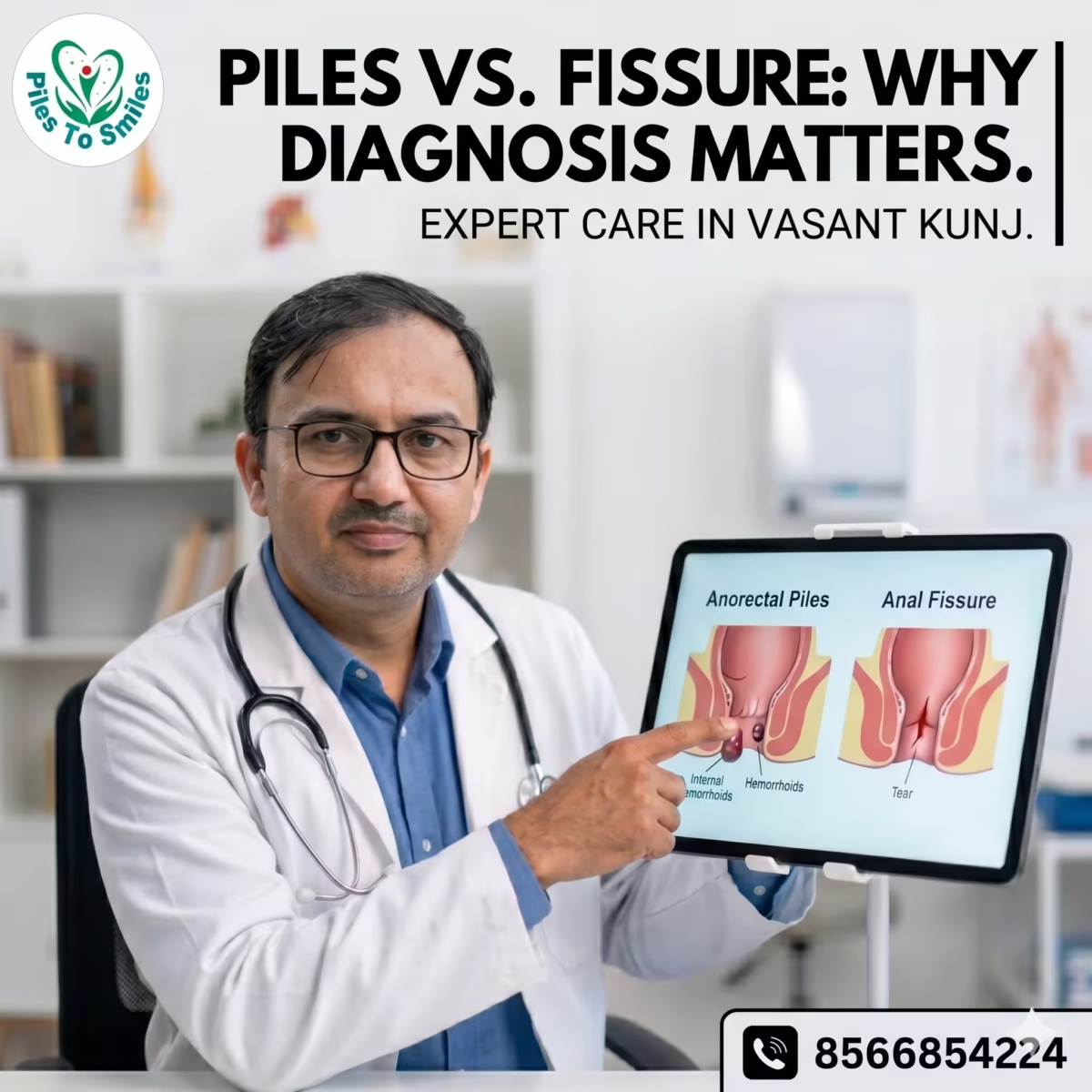
The 60-Second Self-Check: Is it a Fissure or Piles?

Patients often confuse fissures with Piles (Hemorrhoids). Specialists emphasize that the key differentiator is pain: Piles are typically painless (unless thrombosed), whereas fissures are characterized by sharp, tearing pain.

FeatureAnal Fissure (Tear) Hemorrhoids (Piles)
Primary SensationSharp, cutting, “glass-like”Dull ache, heaviness, or itching
Bleeding Pattern Bright red streaks on surfaceDripping or splashing in the bowl
Physical FindingTight canal; possible skin tag Soft, grape-like protrusions

Acute vs. Chronic: Understanding the Stages

Not all fissures are the same. Distinguishing between an “Acute” and “Chronic” fissure is the single most important factor in determining your treatment plan.

1. Acute Anal Fissure (The “Fresh Cut”)

  • Timeline: Present for less than 4-6 weeks.
  • Appearance: Looks like a fresh paper cut or a linear tear. The edges are clean and soft.
  • Treatment Outlook: Highly treatable. Over 90% of acute fissures heal with just dietary changes, hydration, and home remedies (conservative management) within a few weeks.

2. Chronic Anal Fissure (The “Stubborn Ulcer”)

  • Timeline: Persists for more than 6-8 weeks.
  • Appearance: The tear deepens and develops raised, hardened edges (fibrosis).
  • Treatment Outlook: Rarely heals on its own. Chronic fissures typically require medical intervention (Ointments/Botox) or minor surgical procedures (LIS)/ Ksharsutra treatment to relax the muscle and allow the skin to heal.

________________________________________

The “Vicious Cycle”: Why Some Fissures Fail to Heal

The “Vicious Cycle” begins when a physical tear triggers an involuntary muscle spasm in the internal anal sphincter, creating a state of constant tension.

  • Spasm: The muscle remains in a state of constant contraction.
  • Less Blood Flow: This tension physically compresses local blood vessels, cutting off the “supply line” to the injury.
  • No Healing: Without adequate circulation, the wound cannot repair itself, leading to chronic scarring and a non-healing ulcer.

________________________________________

The Delhi-NCR Lifestyle Audit: Why Our Region is a Fissure Hotspot

Living in the NCR presents unique physiological challenges. To find the best anal fissure treatment in Delhi, we must look at these local triggers:

The Corporate Trap: 

Professionals in Cyber City, Noida, and Okhla often sit for 10+ hours. This “occupational hazard” restricts blood flow to the anal canal and slows gut motility.

The “Loo” Effect (Dehydration): 

Delhi’s dry heat and scorching summers (April–June) deplete body fluids rapidly. Systemic dehydration hardens stool by nearly 40%, turning it into “sandpaper” against the anal lining.

The Street Food Toll: 

High-pressure lives lead to quick, Maida-heavy meals. Frequent consumption of spicy snacks creates “constipation-diarrhea” cycles, the primary mechanical cause of a tear.

The Gym Factor: 

With the rise of fitness culture in South Delhi, we see a surge in fissures caused by improper breathing (Valsalva Maneuver) during heavy deadlifts and squats, creating sudden intra-abdominal pressure.

Post-Partum Risk: 

It is important to note that physical strain isn’t limited to the gym. Studies indicate that up to 15% of women develop fissures after childbirth. The combination of intense pushing during labor and the hormonal changes that affect bowel movements post-delivery makes new mothers a high-risk group in the region.

________________________________________

The Delhi-NCR Survival Guide: Environment & Prevention

In the dry, extreme climate of Delhi-NCR, preventing a fissure relapse requires a strategy tailored to the local lifestyle.

The Climate-Hydration Strategy

  • The Target: Aim for 3–4 liters of fluid. Supplement water with Chaachh (buttermilk) or coconut water to replenish electrolytes lost to the NCR sun.
  • The “Sequential” Method: Drink 250ml every hour rather than “gulping” large volumes. This ensures the colon receives a steady supply of moisture, preventing the “mechanical tearing” caused by hard stools.

The “Commuter’s Ritual.”

For those facing 90-minute commutes through Dhaula Kuan or the Gurugram toll, “rushed” bowel movements are a leading cause of fissure. Follow this ritual before hitting the road:

  • Early Hydration (06:30 AM): Drink 500ml of lukewarm water to activate the Gastrocolic Reflex, signaling the body to move naturally without straining.
  • The “Squat-Assist” Posture: Use a 6-to-8-inch footstool. This relaxes the puborectalis muscle, allowing passage with significantly less effort.
  • Pre-Movement Protection: Apply a thin layer of coconut oil or petroleum jelly. This creates a physical barrier, allowing stool to glide over the anal lining, preventing any frictional injury.

Dietary Corrections: Local Delhi-NCR

Quick Fixes: Smart Swaps for the Delhi Plate

Current ChoiceRecommended SwapMedical Benefit
Maida (Bhature/Naan)Oats-Atta or Multigrain Roti

Increases soluble fiber, creating a “gel” in the gut for a smoother transit.

Heavy/Fried Sides Ghiya (Bottle Gourd) & Tinda (Apple Gourd) 

High water content and natural cooling properties keep stools soft.

Fried Samosas Roasted Makhana or Sprouted Moong 

Provides necessary bulk for healthy peristalsis without the grease.

  “In my 18 years of treating Delhi’s professionals, I’ve observed that 90% of chronic fissures are failed by ‘waiting too long.’ If a tear hasn’t healed in 6 weeks, the anatomy has changed—it’s no longer a simple cut, it’s a chronic ulcer.” — Dr. Ravinder Sharma

________________________________________

When is it an Emergency? (Red Flags)

If you reside in the Delhi-NCR area and experience any of the following Red Flags, seek medical intervention within 24 hours:

  • Pus or Abnormal Discharge: Foul-smelling or yellow discharge indicates a potential abscess or fistula requiring urgent surgical drainage.
  • High-Grade Fever or Chills: Systemic symptoms suggest a localized infection is spreading and requires immediate clinical assessment.
  • Dark or Maroon-Colored Stools: Darker blood signifies a proximal gastrointestinal issue, such as internal bleeding or IBD, rather than a simple fissure.
  • Inability to Pass Motion (Tenesmus): Severe pain causing a bowel “shutdown” necessitates intervention to prevent fecal impaction.
  • Extreme Pain Unrelieved by Home Care: Pain rated 9/10 or 10/10 despite sitz baths indicates a high-pressure sphincter spasm requiring professional clinical relaxation.
  • The 2-Week Rule: If pain persists or you see these Red Flags (Pus, Fever, Skin Tags), see a specialist immediately.

The Risk of “Silent Progression“: Delaying care due to social stigma can transform a minor 15-minute procedure into a multi-stage clinical recovery.

________________________________________

Anal Fissure Treatment Options in Delhi: From Home Care to Laser & Ksharsutra

Tier 1: Conservative Management (The 2-Week Trial)

Goal: Soften stool and relax the Internal Anal Sphincter (IAS) for “mechanical rest.”

Category Method & Actionable Tip
Thermal TherapySitz Baths: Soak in warm water (38°C–40°C) for 15 mins to relax muscles. Skip the salts.
Fiber & Hydration Psyllium Husk: Use a 1:1 fiber-to-water ratio to prevent worsening constipation.
Natural Aids Munakka/Anjeer/Ghee: Soak fruit overnight or add 1 tsp Ghee to warm milk for lubrication.
Ergonomics Posture: Use a footstool to squat at a 35° angle for easier muscle alignment.
Pain PrepPre-Bowel Numbing: Apply Lignocaine 10 mins before movements to stop reflex spasms.
Protection Lubrication: Apply coconut oil or petroleum jelly to the rim to reduce friction.
Hygiene 

Cleaning: Use a water jet or wet wipes. Avoid dry paper and soap to prevent irritation.

________________________________________

What to Expect During an Exam

It is natural to feel anxious, but a specialist’s priority is your comfort.

  • Consultation: A detailed history often provides 90% of the diagnosis.
  • Visual Inspection: A gentle external check while you lie on your side.
  • Digital Exam: Only performed if necessary. If you are in pain, a specialist will defer this or use anesthetic gel to ensure the process is painless.

________________________________________

From Medication to Minimal Access: The Ladder of Care

If a fissure persists beyond 4–6 weeks, it has likely entered the Ischemia-Spasm Cycle, where the muscle is too tight to allow blood flow for healing. At this stage, clinical intervention is required to “reset” the muscle.

Treatment Comparison at a Glance

Treatment Mechanism Success Rate Primary Risk/Side Effect Ideal For
Topical Gels (GTN/Diltiazem) Chemical relaxation of the sphincter muscle. ~50-60%Headaches (common with GTN); Skin irritation. Early chronic cases; patients wary of procedures.
Botox Injection 3-month temporary paralysis of the muscle. ~60-70% Temporary minor incontinence (gas/stool) in <5% of cases. Chronic fissures without heavy scar tissue.
Laser LIS Precision incision to relax the tight muscle. ~95%+ Very low risk of infection; permanent relief. Professionals needing 24-hour “back-to-work” recovery.
Kshar Karma Chemical cauterization with alkaline paste. ~90%+Mild burning sensation for some time post-op. Thickened, fibrotic ulcers that won’t close otherwise.
Ksharsutra Medicated thread for gradual healing. ~98% Longer healing time (1-2 weeks) compared to Laser. Recurrent or complex fissures with skin tags.

Clinical Case Studies: Real-World Outcomes

Arjun’s Story (“The Permanent Scar”)

I spent eight months stuck in a loop of ‘will-it-hurt-today’ anxiety. As a software architect, I’m used to fixing errors, but I let this ‘bug’ go until the tissue actually started scarring and hardening, which meant it couldn’t heal on its own anymore. The Ksharsutra procedure was the reset I needed; it basically cleared out that old, stubborn scar tissue and finally let the muscles relax. I went from months of daily misery to being completely back to normal in just 18 days. I only wish I’d dealt with it before it turned into a long-term problem.

Sarah’s Story (“The Sudden Tear”)

I never realized how much water mattered until a record-breaking heatwave and a crazy teaching schedule left me with a sudden, agonizing tear. The pain was a 9 out of 10—I could barely sit down. Because I didn’t wait and sought help immediately, we caught it while it was still a fresh injury. My doctor put me on a ‘natural healing’ plan—no surgery, just drinking 3.5L of water a day and using warm soak baths to let the area rest and repair itself. By acting fast, I stayed in that 90% success group and avoided the operating room entirely.

The Bottom Line

Whether it’s a sudden tear or a long-term struggle, the goal is the same: stopping the cycle before it becomes permanent. As the data shows, treating it early (the ‘Acute’ phase) has a 90% success rate without ever needing to step into an operating room.

________________________________________

Break the Cycle: Expert Care at Piles To Smiles

Whether you are a professional in Gurugram struggling with a long commute or a parent in South Delhi managing recovery, you don’t have to navigate this alone. Clinical practice at Piles To Smiles shows:

  • Painless Diagnostics: Non-invasive exams focused on your comfort.
  • Integrative Choice: From conservative to minimal invasive treatment, we pick the treatment that fits your life.
  • Rapid Recovery: Protocols designed to get you back to work within 24–48 hours.

FAQs: Anal Fissure Treatment in Delhi

Can an anal fissure heal without surgery?

Yes, approximately 80% of acute anal fissures (present for less than 6 weeks) can heal with conservative management. This includes high-fiber diets, 3–4 liters of hydration to combat Delhi’s dry heat, and warm Sitz baths. However, if the pain persists beyond 6 weeks, it is classified as a chronic fissure and typically requires specialist intervention like Ksharsutra to heal.

For specialized care, you should consult an MS (Ayurveda) General Surgeon or a Proctologist. Dr. Ravinder Sharma at Piles To Smiles (Vasant Kunj) is a leading expert with 18+ years of experience, specializing in non-surgical and minimally invasive Ayurvedic treatments for patients across South Delhi, Gurugram, and Noida. To book a consultation at our South Delhi clinic, call 8586854224.

While laser surgery offers a quick recovery, Ksharsutra (Medicated Thread Therapy) is often preferred for chronic or recurrent fissures. Clinical data shows that Ksharsutra has a lower recurrence rate (under 2%) because it naturally debrides the wound and allows the sphincter muscle to relax without aggressive cutting, making it a highly effective “permanent” solution.

The cost of anal fissure treatment in Delhi varies based on the severity and the procedure (Laser, Botox, or Ksharsutra). At our Vasant Kunj clinic, we prioritize transparent pricing and offer cost-effective Ayurvedic surgical options that are often more affordable than large multi-specialty hospitals in the NCR region.

The main differentiator is pain. A fissure causes a sharp, “glass-like” cutting sensation during bowel movements that can last for hours. Piles (Hemorrhoids) are usually painless but cause swelling or dripping blood. If you are unsure, a 5-minute non-invasive exam at a specialized proctology clinic in Delhi can provide an accurate diagnosis.

If you experience high fever, yellow discharge (pus), or pain that prevents bowel movements, seek help immediately. For urgent clinical assessment in Delhi-NCR, contact our helpline at 8586854224.

Categories
Fistula

Anal Abscess vs. Anal Fistula: Expert Diagnosis & Specialized Treatment in Delhi

Your Trusted Guide to Anorectal Health by Dr. Ravinder Sharma, Leading Delhi Proctologist

Anal abscesses and anal fistulas are sensitive conditions requiring specialized, discreet, and expert care. For residents across Delhi-NCR, delaying treatment due to stigma can turn an acute problem into a complex, chronic one.

At Piles To Smiles, conveniently located in Delhi, Dr. Ravinder Sharma—an experienced Proctologist with 18 years of dedicated practice—offers a specialized blend of modern diagnostics and advanced surgical and Ayurvedic techniques, including the highly effective Ksharsutra method.

Dr. Sharma’s Commitment: To achieve a permanent cure while prioritizing the preservation of your anal sphincter muscle, ensuring the lowest possible risk of incontinence. This approach is essential for the complex, recurrent cases often seen in the Delhi region.

________________________________________

Understanding Anal Abscess and Anal Fistula: The Key Differences

While both conditions affect the anal region, their nature and required urgency differ significantly.

Feature 🚨 Anal Abscess (Acute Infection) ⏳ Anal Fistula (Chronic Tunnel)
Pathology A blocked anal gland leads to a painful collection of pus. A tunnel forms from the infected gland to an opening on the skin.
Urgency Emergency! Requires immediate surgical drainage to relieve pain and prevent fistula formation. Chronic. Requires a planned specialist intervention for complete closure of the tract.
Symptoms Sudden, severe throbbing pain, visible swelling, redness, and fever. Persistent drainage (pus/fluid), itching, and recurrent swelling/pain.
Primary Goal Drainage to eliminate infection and relieve pressure. Closure of the tract while preserving sphincter function.

💡 Dr. Sharma’s Insight: “Nearly 50% of anal abscesses can develop into a chronic fistula if not treated promptly and correctly. Early intervention by an experienced proctologist is the best defense against long-term complications.”

________________________________________

Causes and Local Risk Factors in Delhi-NCR

The primary cause for an anal abscess is the blockage of small, mucus-secreting glands. For residents in Delhi, the complexity is often heightened by specific local and lifestyle factors:

Common Causes and High-Risk Factors

  • Previous Abscess History: The most common precursor to a fistula.
  • Chronic Inflammation & IBD: The rising incidence of Inflammatory Bowel Disease (IBD) and Crohn’s disease in India is a major risk factor for complex and recurrent fistulas.
  • Chronic Infections: Less common causes, such as tuberculosis (prevalent in parts of Delhi), can manifest as persistent anal gland inflammation.
  • Delayed Consultation due to Stigma: This is a significant issue in Delhi-NCR, allowing an acute abscess to transition into a chronic, complex fistula, necessitating advanced treatment.
  • Local Risk Factors: Constipation, poor hygiene, and excessive sitting are common in the local patient profile.
  • The high incidence of Type 2 Diabetes and sedentary corporate lifestyles prevalent across Delhi-NCR are crucial factors Dr. Sharma considers in his risk assessment.

________________________________________

Recognizing the Symptoms: When to Consult a Proctologist

Knowing the distinct symptoms can help you seek the right care immediately.

🚨 Anal Abscess Symptoms (Seek Urgent Care!)

  • Severe, throbbing localized pain near the anus.
  • Visible swelling, redness, and warmth.
  • Fever and general malaise (feeling unwell).

⏳ Anal Fistula Symptoms (Chronic Discomfort)

________________________________________

🔬 The Piles To Smiles Diagnostic Advantage

Accurate identification of the abscess cavity or the complex fistula tract is paramount for successful treatment. Dr. Sharma’s team in Delhi utilizes advanced diagnostic tools:

  • Expert Physical Examination: A gentle, specialized exam to locate the openings.
  • Advanced Imaging (Anal Ultrasound & MRI): High-resolution MRI mapping is essential for complex cases to determine the fistula’s course, depth, and branching, ensuring a precise treatment plan.
  • Proctoscopy: Internal visualization to identify the internal opening and rule out other underlying conditions.

________________________________________

Specialized Treatment Options for Anal Fistula

The optimal treatment is determined by the fistula’s type (Parks Classification). While many treatments exist, Dr. Sharma tailors the plan to ensure sphincter function is preserved, aligning with the highest standards of anorectal surgery.

1. Treatment for Anal Abscess

Emergency Surgical Drainage: This is the only effective treatment. The abscess is surgically incised and drained under anesthesia to immediately relieve pain, eliminate the infection, and minimize the risk of subsequent fistula formation. Antibiotics alone are insufficient.

2. Comparative Options for Anal Fistula

The treatment goal is to eliminate the tunnel without compromising the anal sphincter muscle, which prevents incontinence. Dr. Sharma offers a range of options, ensuring a tailored approach based on the fistula’s complexity and the patient’s overall health.

Treatment
Method
Description            Primary Use Case &
Eligibility
Risk of
Incontinence
Recurrence Rate
Fistulotomy Surgical opening and laying open of the entire fistula tract. Gold Standard for Superficial/Low fistulas. High risk if improperly used for deep or high tracts. Low for superficial tracts.
Ksharsutra Treatment (Medicated Seton) Ayurvedic technique: a specially medicated thread is placed in the tract, slowly cutting and healing the path from the base. Preferred for complex/deep fistulas and those requiring maximum sphincter preservation. Very Low. Gradual action preserves muscle function. Very Low (High success rate reported in complex cases).
Fistula Laser Closure (FiLaC) Minimally invasive method using a laser fiber to seal the tract from within. Suitable for less complex, straight tracts where sphincter involvement is minimal. Low. Moderate, highly dependent on tract complexity and infection level.
Video-Assisted Anal Fistula Treatment (VAAFT) Uses a tiny camera for internal visualization, cleaning, and closure of the internal opening. Suitable for specific complex, high tracts where full visual mapping is required. Low. Moderate, depends on tract complexity.

3. Ksharsutra Treatment: Dr. Sharma’s Specialized Approach for Complex and Recurrent Cases

While various techniques exist, Dr. Ravinder Sharma’s expertise in Ksharsutra Treatment makes it the most frequently chosen option at Piles To Smiles for complex or recurrent anal fistulas—the challenging cases often seen due to delayed consultation in the Delhi region.
This preference is based on the scientifically proven benefits of Ksharsutra, particularly its ability to handle tracts that penetrate the sphincter muscles.

  • Sphincter Preservation: This is the paramount goal. The slow, gradual cutting and healing action of the medicated thread allows the sphincter muscles to repair and maintain function, resulting in the lowest possible risk of post-treatment fecal incontinence. This advantage makes it invaluable for high and complex fistulas.
  • Complete Tract Clearance: Unlike procedures that attempt immediate closure, the Ksharsutra remains in the tract, providing continuous antimicrobial action. This ensures all infected debris and underlying granulation tissue are removed from the core, promoting healing from the base outwards.
  • Minimal Recurrence: Clinical studies and long-term data support the efficacy of this method, showing recurrence rates as low as 2–5%. This makes it a reliable, long-term solution, especially for patients who have already experienced failed surgeries elsewhere.

By combining this time-tested, sphincter-preserving technique with advanced diagnostics like high-resolution MRI mapping, Dr. Sharma ensures the treatment is precise and tailored to achieve a permanent cure.
________________________________________

Minimizing Risk – Our Pledge for Long-Term Health

The main risks associated with fistula treatment are recurrence, delayed healing, and, most critically, fecal incontinence. Our strategy, centered on Dr. Sharma’s expertise, directly addresses these concerns.

Complication Dr. Sharma’s Minimization Strategy
Fecal Incontinence The Ksharsutra technique is specifically chosen for its near-zero risk of sphincter damage, as the thread cuts and heals gradually.
Recurrence Accurate MRI mapping ensures the entire tract is identified. Ksharsutra cleanses and heals the tract from the core.
Delayed Healing Use of Medicated Ksharsutra ensures continuous antimicrobial action and controlled healing, preventing abscess pockets.

Patient Success Stories Across Delhi

The patient journey at Piles To Smiles focuses on individualized care and achieving both a permanent cure and preserved function, regardless of the condition’s complexity.

Story 1: Avoiding Incontinence (Complex Fistula)

  • Patient: Mr. Rajesh K., 55, Businessman from Dwarka, Delhi.
  • Issue: High Trans-sphincteric Fistula (high risk of incontinence with conventional surgery).
  • Outcome: “Dr. Sharma recommended Ksharsutra. The healing was slow but my anal control is completely intact. I was back to work soon after.”

Story 2: Curing Recurrence (Chronic Fistula)

  • Patient: Ms. Priya S., 30, IT Professional from Noida (NCR).
  • Issue: Recurrent fistula after two failed surgeries elsewhere.
  • Outcome: “I was losing hope. Ksharsutra treatment performed by Dr. Sharma was precise. The fistula is finally closed, and I’ve been recurrence-free for over a year.”

Story 3: Timely Emergency Care (Acute Abscess)

  • Patient: Mr. Vikas R., 42, Teacher from South Delhi.
  • Issue: Sudden, severe pain and fever due to an acute anal abscess.
  • Outcome: “The pain was unbearable. Dr. Sharma saw me urgently, and the drainage procedure was quick and efficient. His quick action prevented it from turning into a fistula, which was my biggest fear.”

________________________________________

The Patient Journey: From Symptom to Full Recovery in Delhi

Knowing what to expect reduces anxiety and encourages timely action. Here is the detailed path a patient follows at Piles To Smiles with Dr. Ravinder Sharma.

Step Action Piles To Smiles Experience (Delhi)
1. Consultation Patient seeks help for pain (Abscess) or drainage (Fistula). Urgent same-day appointments for abscesses. Empathetic and detailed initial history by Dr. Sharma.
2. Diagnosis Confirmation of the condition and mapping. Abscess confirmed by visual exam. Fistula mapped by High-Resolution Anal Ultrasound or MRI to determine complexity.
3. Treatment Execution of the customized plan. Abscess: Emergency Drainage. Fistula: Often Ksharsutra Treatment. The thread is placed in an outpatient procedure.
4. Post-Procedure Care Healing and follow-up visits. Abscess Patient discharged quickly with pain relief and hygiene instructions.
Fistula patients attend regular weekly/bi-weekly follow-ups for thread changes. Detailed guidance on hygiene, Sitz baths, and a high-fiber diet is provided.
5. Full Recovery Complete closure of the tract. Final clinical clearance from Dr. Sharma. Result: Complete healing with preserved anal continence.

________________________________________

Choosing Dr. Ravinder Sharma: Why Expertise Matters

Dr. Ravinder Sharma provides specialized care distinguished by a comprehensive and patient-centric philosophy:

  • Credentials: MS (Ayurveda) with 18 years of dedicated experience in anorectal surgery and the specialized Ksharsutra Treatment.
  • Specialization: Expert in Ksharsutra for complex and recurrent fistulas, focusing on its high efficacy and sphincter-preservation benefits.
  • Holistic Approach: The strategic blending of modern diagnostic tools (MRI mapping) with time-tested techniques (Ksharsutra) ensures the most accurate diagnosis and the best chance for a permanent cure while minimizing risk.

Dr. Sharma is committed to medical transparency and is always open to collaborative care and providing second opinions for complex anorectal conditions.
________________________________________

📞 Book Your Confidential Consultation Today

If you experience severe pain, swelling, or persistent drainage, early consultation with a qualified proctologist in Delhi can ensure a faster recovery and significantly minimize the risk of complications, such as chronic fistula formation.

Piles To Smiles in Delhi is dedicated to providing discreet, compassionate, and advanced care. Don’t let stigma delay your health.
Please reach out to Dr. Sharma for a confidential assessment tailored to your specific needs.

FAQs for Anal Abscess vs. Anal Fistula Treatment in Delhi

What is the main difference between an anal abscess and an anal fistula, and which one requires urgent treatment in Delhi?

An Anal Abscess is an acute, emergency condition—a sudden, painful collection of pus requiring immediate surgical drainage to relieve pain and prevent progression. In contrast, an Anal Fistula is a chronic condition—a persistent tunnel that often forms after an abscess is left untreated.

For residents in Delhi, it is critical to know that an Anal Abscess requires urgent, emergency intervention. An Anal Fistula requires planned, specialist surgery, such as the Ksharsutra Treatment offered by Dr. Ravinder Sharma in Delhi, to achieve a cure.

You should consult a proctologist immediately if you experience severe, throbbing pain near the anus, accompanied by a visible, red, and tender lump, or signs of systemic infection like a fever or chills. For a suspected anal fistula, a consultation is needed if you have persistent or recurrent discharge (pus or blood) from a small opening near the anus, or chronic discomfort that doesn’t resolve.

An anal abscess is considered a surgical emergency and requires immediate attention. For patients in Delhi/NCR, timely treatment at a specialized center is crucial. It necessitates immediate surgical Incision and Drainage (I&D).

Why Immediate Treatment is Essential:

  • Pain Relief: To rapidly relieve the severe, throbbing pain.

  • Fistula Prevention: Most importantly, to significantly reduce the risk of the acute abscess developing into a chronic Anal Fistula, which occurs in nearly 50% of untreated or delayed cases.

Delaying treatment for an anal abscess in Delhi significantly increases the risk of serious, long-term complications.

Here are the key risks:

  • Fistula Formation: The most common complication is the development of a chronic Anal Fistula, a tunnel connecting the anal gland to the skin. A fistula requires more complex surgery than a simple abscess drainage.

  • Widespread Infection (Sepsis): The infection can spread to surrounding tissues, leading to a much more severe and dangerous health condition, potentially including sepsis, which is life-threatening.

  • Complex Surgery: The longer the delay, the larger and deeper the abscess can become, making the required surgical drainage procedure more intricate and leading to a longer recovery time.

⭐ Local Action Tip: If you experience symptoms like pain, swelling, or redness near the anus, seek consultation with a specialized proctologist in Delhi immediately. Early intervention is quick and dramatically improves the outcome.

Dr. Ravinder Sharma uses High-Resolution MRI Mapping and Advanced Anal Ultrasound. These imaging techniques provide detailed, precise mapping of the fistula’s entire tract, depth, and branching, which is crucial for a successful, tailored treatment plan (like Ksharsutra).

Antibiotics alone are insufficient. An Anal Abscess is a surgical emergency requiring immediate Incision and Drainage by an experienced Proctologist in Delhi. This procedure is crucial to relieve pressure, eradicate the infection, and prevent the high risk of a chronic Anal Fistula from developing.

The two major risks of traditional anal fistula surgery are recurrence (approximately 15-20%) and anal incontinence (loss of bowel control, around 8%).

In Delhi-NCR, our primary focus is minimizing these risks using sphincter-preserving techniques like specialized Ksharsutra Treatment. This approach is specifically chosen to protect the anal muscle (sphincter), resulting in a minimal risk of incontinence and a high success rate, even for complex or recurrent fistula cases. Choosing an expert who prioritizes sphincter preservation is key to a permanent, safe cure.

Dr. Ravinder Sharma’s Ksharsutra Treatment (Medicated Seton) in Delhi offers several key advantages for Anal Fistula patients: high success rate, minimal recurrence risk, and critically, zero risk of fecal incontinence as it ensures complete sphincter preservation. It is a specialized and preferred non-surgical approach for treating complex and recurrent fistulas.

Yes, many leading specialists in Delhi consider Ksharsutra a superior, sphincter-preserving treatment for complex and recurrent anal fistulas. The technique’s unique gradual cutting and healing action minimizes damage to the anal sphincter muscles, which is crucial for preserving fecal continence. This results in the lowest reported risk of incontinence compared to conventional surgery. Dr. Ravinder Sharma in Delhi specifically highly recommends this procedure for its effectiveness and safety in preserving function.

Yes, Ksharsutra is widely recognized as one of the most effective and minimally invasive non-surgical treatments for complex and recurrent anal fistulas. It offers a high success rate (over 95%) and significantly low recurrence rate compared to conventional surgery. In Delhi, it is recommended by Ayurvedic proctologists as the preferred method to completely eradicate the fistulous track without cutting the sphincter muscle.

For expert diagnosis and specialized fistula treatment in Delhi, you should consult Dr. Ravinder Sharma at Piles To Smiles Clinic. Dr. Sharma is a leading Proctologist with 18 years of experience who specializes in complex and recurrent fistula cases. He primarily uses the advanced, sphincter-preserving Ksharsutra Treatment combined with modern diagnostics like high-resolution MRI mapping for the highest cure rate and minimal risk of incontinence.

Categories
Pilonidal Sinus

Expert Pilonidal Sinus Treatment in Delhi: Causes, Symptoms & Lasting Relief

Tired of Recurrence? Find Lasting Pilonidal Sinus Relief in South Delhi at Piles To Smiles

If you are exploring options for Pilonidal Sinus treatment in Delhi, you may be seeking lasting relief and a trusted solution tailored to your needs. Pilonidal Sinus (PS) is a painful infection near the tailbone that often requires specialized, personalized care. Residents across Delhi NCR often benefit from understanding the causes, risks of delaying care, and the full range of available treatments.

At Piles To Smiles in Vasant Kunj, South Delhi, we are dedicated to providing a long-term cure using the time-tested Ayurvedic Ksharsutra therapy. This specialized focus establishes us as a leading authority in minimally invasive anorectal care, trusted by patients who want to avoid major surgery and its high recurrence rates.

________________________________________

What is a Pilonidal Sinus? Causes and Risk Factors for Delhi NCR Residents

A pilonidal sinus is a small, infected tunnel under the skin near the top of the buttock crease (natal cleft). The term means “nest of hair,” as the condition is primarily caused by loose, ingrown hairs and debris penetrating the skin, leading to a recurring cyst or painful abscess.

Understanding the causes helps in effective management. Patients in Delhi NCR who have desk jobs are particularly at risk:

  • Ingrown Hairs: The main cause; hair fragments puncturing the skin.
  • Prolonged Sitting: Increased pressure on the tailbone (common with long working hours in Delhi) aggravates the condition.
  • Friction & Body Hair: Excessive or coarse body hair combined with friction and moisture increases the risk of initial infection.
  • Poor Hygiene: Contributes to an environment where bacteria thrive and infections become complex.

________________________________________

Symptoms That Demand Expert Attention & When to See a Pilonidal Sinus Specialist

Prompt diagnosis is key to avoiding complicated surgical interventions. Watch out for these symptoms:

  • Pain & Swelling: Discomfort near the tailbone, significantly worsened by sitting.
  • Persistent Discharge: Pus or blood leaking from a small opening (sinus tract), often with an unpleasant odor.
  • Recurrent Tenderness: Episodes of pain that subside and return frequently.
  • Abscess Formation: An acute, painful, infected lump that may be accompanied by fever.

________________________________________

What Happens If a Pilonidal Sinus is Left Untreated?

Medical consensus confirms that a Pilonidal Sinus will not heal on its own. Ignoring it in the hope that it resolves naturally can lead to severe and complex complications:

  • Chronic Pain and Recurrent Abscesses: The condition worsens into a cycle of infection, pain, and pus formation, disrupting daily life, especially sitting for work or travel.
  • Formation of Multiple Sinus Tracts (Fistulas): The infection can burrow deeper and create a complex network of tunnels, transforming a simple sinus into a complicated pilonidal fistula, which is far harder to treat.
  • Risk of Sepsis: In rare, severe cases, the infection can enter the bloodstream, leading to sepsis, a life-threatening emergency requiring immediate intensive care.
  • Rare Malignancy: Very chronic, non-healing sinuses have a minute, but real, risk of developing into a type of skin cancer (Squamous Cell Carcinoma).

________________________________________

Your Expert Pilonidal Sinus Consultation in South Delhi (What to Expect)

Seeking professional help is the first step to permanent relief. Here is what Delhi patients can expect at our specialized clinic:

  1. Detailed History: We’ll ask about the onset of symptoms, frequency of pain or discharge, your work/sitting habits (crucial for Delhi’s desk-job professionals), and previous treatments.
  2. Gentle Physical Examination: The specialist, Dr. Ravinder Sharma, will carefully examine the natal cleft area to locate the sinus opening(s), assess the infection, and determine the tract’s depth and complexity. Diagnosis is primarily clinical; an ultrasound or MRI may be requested only in very complex cases to map the tract precisely.
  3. Personalized Treatment Plan: Based on the examination, we will clearly explain why Ksharsutra therapy is the best course for your specific condition, ensuring you understand every step before starting.

________________________________________

Your Care Journey at Piles To Smiles: From Consultation to Permanent Cure

We follow a transparent, structured process to ensure you achieve lasting recovery:

  1. Initial Consultation & Diagnosis: Physical examination by Dr. Sharma to confirm Pilonidal Sinus, rule out other conditions (like Anal Fistula), and measure the tract’s length.
  2. Ksharsutra Application: The medicated thread is gently inserted into the sinus tract. This is a daycare procedure performed under local anesthesia.
  3. Weekly Follow-ups: You visit the clinic weekly (or as advised) for a dressing change and the application of a fresh, more potent thread. This is a quick process, allowing you to return to work immediately.
  4. Gradual Healing: The Kshar Sutra dissolves the infected tissue and cuts the tract from within at a controlled pace (approx. 1 cm per week), stimulating healthy tissue growth simultaneously.
  5. Complete Cure: Once the tract is completely dissolved and the external wound heals, the thread is removed. We provide detailed aftercare instructions and a follow-up schedule to confirm the permanent cure.

________________________________________

Comprehensive Pilonidal Sinus Treatment Options in Delhi (Comparison Table)

Patients seeking Pilonidal Sinus relief in Delhi have various effective options. The best choice depends on the tract’s complexity, the patient’s lifestyle, and their tolerance for recovery time vs. commitment to follow-up visits.

Treatment Method Primary Goal & Benefit Key Considerations & Limitations  Typical Healing Time  Recurrence Rate  
Ayurvedic Ksharsutra Therapy Specialized treatment that gradually cuts, cleans, and chemically cauterizes the entire tract from the inside, promoting tissue healing. Requires a commitment to regular, usually weekly, follow-up visits for medicated thread replacement until the tract is fully healed.  4–8 Weeks (Procedure time depends on tract length)  <5%  
Traditional Surgical Excision  Complete physical removal of the entire diseased tract and surrounding tissue. Offers a known definitive step.  
Requires a significant incision and is associated with extensive wound care, often resulting in prolonged time off work.  6–12 Weeks (for complete wound closure) 15–35% 
Laser Ablation (PiLaS)  Minimally invasive approach that uses a laser fiber to destroy the tract from the inside, preserving healthy surrounding tissue. Best suited for simple, non-branching tracts. Long-term recurrence data is still evolving, and it may not be suitable for chronic, complex cases.  1–2 Weeks (Return to most daily activities) 10–20% 
Flap Surgery Reconstructive surgery designed for complex, recurrent, or very large cases to close the defect and change the natal cleft anatomy. Highly invasive, requires hospitalization, and involves significant immediate scarring. Generally reserved for failed simpler procedures. 4–6 Weeks (Hospital stay often required) 5–10% 
Incision and Drainage  Provides immediate and rapid relief by draining an acute, painful abscess.  Not a cure. The underlying sinus tract remains, and recurrence is virtually certain unless a definitive procedure follows.  Immediate relief, but the problem persists. 100%  

________________________________________

Why Kshar Sutra is Delhi’s Trusted Path to a Permanent, Low-Recurrence Cure

At Piles To Smiles, we specialize in Ksharsutra therapy because it directly addresses the core problem of recurrence associated with many surgical methods. Endorsed by the Ministry of AYUSH, this ancient technique is a scientifically proven, non-surgical method for eliminating the entire sinus tract.

The Kshar Sutra Advantage at Piles To Smiles

We don’t perform conventional or laser surgeries; we focus solely on giving you a long-term cure with minimal disruption to your life.

  1. Non-Surgical: It’s a daycare procedure requiring no major cuts, stitches, or general anesthesia.
  2. Minimal Recurrence Risk: The medicated alkaline thread gradually cuts, cauterizes, and disinfects the entire tract, ensuring complete removal and preventing future recurrence.
  3. Quick Return to Routine: Patients can typically continue most daily activities and office work with minimal discomfort during the process.
  4. Natural Healing: The process promotes healthy tissue formation, closing the tract naturally and permanently.

________________________________________

Real Patient Narratives: Results from Delhi NCR (Anonymized)

“I run a garment business in Chandni Chowk and have to sit for 10-12 hours a day. After an open surgery failed, the sinus returned within months. Dr. Sharma’s Kshar Sutra was simple; I managed my business with weekly visits and finally got rid of the recurrence that was ruining my life. It’s been over a year, and I’m completely free of it.” – Manoj K., 42, Delhi

“As a student preparing for civil services, the pain was unbearable, especially during study hours. My parents were worried about a major surgery. The Kshar Sutra process at Piles To Smiles was smooth. I continued studying and felt much less pain during the treatment than I did before it. I highly recommend this non-surgical approach.” – Riya V., 23, Vasant Kunj

________________________________________

Do’s and Don’ts for Home Management (During Treatment)

Following this advice serves your health directly and is vital for successful healing:

DO’S (Must-Do) DON’TS (Must-Avoid) 
 Take Warm Sitz Baths: Do this 2-3 times a day (especially after bowel movements) to soothe the area and aid drainage.   Do Not Sit Continuously: Never sit for more than 45-60 minutes without a break. Get up and stretch.
 Maintain Gut Health: Eat a diet rich in fiber (fruits, green vegetables) and drink plenty of water to avoid straining during bowel movements.   Do Not Shave or Wax the Area: Avoid all hair removal methods in the natal cleft until fully healed, as this can worsen irritation.
 Follow Dressing Instructions: Change external dressings precisely as directed by the clinic to keep the area clean and manage the discharge.   Do Not Wear Tight Clothing: Avoid jeans, tight trousers, or synthetic innerwear until the healing is complete.
 Take Prescribed Ayurvedic Medicines: These support the healing process, control local infection, and manage discomfort.   Do Not Self-Medicate: Avoid popping, squeezing, or applying unprescribed creams/ointments to the area.

 ________________________________________

Expected Cost for Kshar Sutra Treatment in Delhi

Estimated Cost Range (Delhi Context)

The total cost of Ksharsutra treatment for Pilonidal Sinus is generally significantly less than surgical and flap procedures.

  • Consultation Fee: ₹500 to ₹2,000.
  • Total Treatment Cost (Ksharsutra): Typically ranges from ₹30,000 to ₹50,000 or more, depending on the complexity (length and branching of the tract) and the total number of follow-up thread changes required. This range is a rough estimate and is discussed transparently during consultation.

________________________________________

Prevention Tips for Delhiites: Hygiene, Sitting, & Climate

The local environment and lifestyle in Delhi NCR contribute to the risk factors. Follow this concrete advice:

Focus Area Concrete Advice for Delhi NCR Residents 
Hygiene After bathing, pat the natal cleft area completely dry—do not rub. Use a mild antiseptic liquid (like Dettol or Savlon) in bathing water during the hot, humid months to control bacteria. 
Ergonomic Sitting If you have a desk job in Gurgaon or Noida, use a specialized ring cushion to offload pressure from the tailbone. Stand up and walk for 5 minutes every hour to reduce prolonged sitting pressure. 
Hair Management Since ingrown hairs are the root cause, consider permanent laser hair removal (LHR) in the natal cleft area. If shaving, do so gently and only in the direction of hair growth to prevent ingrown hair formation. 
Local Climate In Delhi’s heat and humidity, wear loose-fitting, breathable cotton innerwear and trousers to prevent excessive sweating and friction that can soften the skin and allow hair to penetrate. 

 ________________________________________

Debunking Local Myths: Pilonidal Sinus & Kshar Sutra

Myth  Fact 
“Pilonidal Sinus is a type of Piles/Fistula.”  

False. It is a distinct condition.

  • Piles (Hemorrhoids): Swollen and inflamed blood vessels in the rectum or anus.

  • Anal Fistula: An abnormal tunnel connecting the anal canal to the skin near the anus.

  • Pilonidal Sinus (Pilonidal Disease): An infection or abscess that forms a small tunnel (sinus) typically containing hair, located in the cleft of the buttocks near the tailbone (sacrum).

“Pilonidal Sinus is caused by an injury/fall.” Misconception. While trauma can trigger a flare-up, the root cause is ingrown hair and pressure/friction, not a fall. 
“Ksharsutra is very painful.” Myth. The initial procedure is done under local anesthesia. Follow-up thread changes cause minimal discomfort, which is easily managed with oral painkillers and is far less painful than managing a large, open surgical wound. 

________________________________________

Why Piles To Smiles & Dr. Ravinder Sharma Are the Top Specialists in South Delhi

Located in Vasant Kunj, our clinic is led by Dr. Ravinder Sharma, who possesses extensive, specialized expertise in the Kshar Sutra technique. Patients from across Delhi NCR choose us because they receive:

  • Specialized Expertise: Our clinic focuses primarily on non-surgical Ayurvedic management for anorectal disorders, with deep, specialized experience in the Kshar Sutra technique for Pilonidal Sinus.
  • Ministry of AYUSH Protocol: We adhere strictly to the standardized and scientifically validated Kshar Sutra protocol recommended by the Government of India, ensuring high success and safety standards.
  • Locally Trusted: Located in Vasant Kunj, South Delhi, we are easily accessible and have built trust through years of effective, compassionate care for the local Delhi NCR community.
  • Post-Treatment Commitment: We provide thorough post-treatment follow-up until the patient is certified completely cured, which minimizes the chances of missed healing.
  • Personalized Treatment Plans: Tailored to the exact nature and complexity of your Pilonidal Sinus.
  • Hygienic and Expert Procedures: Performed under strict, qualified supervision.
  • Committed Post-Treatment Care: Continuous follow-up to ensure complete and sustained healing.

________________________________________

Final Summary and Next Step

If you are suffering from Pilonidal Sinus, seeking a proven path to resolution, Ksharsutra treatment in Delhi offers a specialized, effective, and lasting solution with a documented low rate of recurrence. This method focuses on complete, natural healing while allowing a quicker return to your daily life.

Take the final step toward complete, sustained relief. Book your expert consultation today at Piles To Smiles, Vasant Kunj, South Delhi, and explore a specialized care journey tailored to your specific condition.

FAQs for Pilonidal Sinus Treatment in Delhi

What is a Pilonidal Sinus, and how is it different from piles and anal fistula?

A Pilonidal Sinus (PNS) is a small tunnel or tract that forms under the skin, usually at the top of the buttock crease (the natal cleft). It often contains hair, dirt, and debris, which can cause a painful cyst or abscess.

It is distinctly different from piles and anal fistula in terms of location and cause:

ConditionPrimary LocationCause/MechanismKey Difference from PNS
Piles (Hemorrhoids)Inside or around the anus and lower rectum.Swollen, inflamed veins caused by straining during bowel movements, pregnancy, or chronic constipation.A condition of the veins around the anus, not a skin/hair infection.
Anal FistulaA small, abnormal tunnel that connects the anal canal to the skin near the anus.Usually, a complication of a previously drained anal abscess (infection of an anal gland).Connects the anal gland to the skin and is located around the anus.

You should urgently consult a Pilonidal Sinus specialist in Delhi/NCR if you experience any of the following symptoms, which are often exacerbated by the prolonged sitting common in local desk jobs and heavy traffic/commutes:

  • Persistent Pain/Swelling: Any persistent pain, tenderness, or noticeable swelling near the tailbone (coccyx) that does not resolve on its own, especially after long hours of sitting.

  • Discharge (Pus/Blood): The presence of any persistent drainage (pus or blood) from a small opening (sinus tract) in the tailbone area. This discharge often has a foul odor.

  • Fever/Systemic Illness: If the area becomes hot, red, or hard, and is accompanied by a fever or general feeling of illness, this can indicate an infection (abscess) and requires immediate attention.

  • Local Risk Factors: Be especially vigilant if you have a job requiring long, uninterrupted sitting or spend extended periods in Delhi/NCR traffic, as this pressure on the coccyx region is a known contributing risk factor for the condition.

In short: Persistent pain, swelling, and any discharge near the tailbone are the clearest signs you need to book an appointment with a specialist in the Delhi/NCR region.

Prolonged sitting, which is very common for Delhi NCR residents due to desk jobs and long commutes, is a significant pilonidal sinus risk factor. This increased, sustained pressure on the tailbone area aggravates the condition and creates an ideal environment for ingrown hairs to easily puncture the skin and cause the infection. Sedentary lifestyles and the humid conditions that can lead to excessive sweating also contribute to the risk.

No, the medical consensus is definitive: a Pilonidal Sinus will not heal on its own. It is a progressive disease, meaning ignoring it leads to severe complications, not resolution.

  • Risk of Delay: Delaying treatment significantly increases the risk of developing chronic pain, painful recurrent abscesses, and the formation of multiple, complex tracts known as fistulas. These complications make the condition far harder to treat effectively.

  • Necessity of Expert Consultation: Prompt consultation with a specialized Pilonidal Sinus expert in Delhi NCR is essential. They can provide an accurate diagnosis and recommend a treatment plan focused on a permanent cure, rather than just temporary relief from symptoms.

For most patients, a highly experienced Pilonidal Sinus specialist in Delhi can accurately diagnose the condition solely through a thorough physical examination and by reviewing your medical history.

  • Physical Exam is Primary: The visual appearance, location, and presence of symptoms like pain, swelling, drainage, or a pit/sinus opening near the tailbone are usually distinctive enough for an expert diagnosis. This emphasizes the specialist’s expertise as the primary diagnostic tool.

  • Imaging is Secondary: MRI or Ultrasound scans are typically not required for an initial diagnosis. They are generally reserved for complex, recurrent, or deep-seated cases where the specialist needs to map the exact extent of the tracts or rule out an abscess, helping to plan the most effective, minimally invasive treatment strategy.

  • Bottom Line: When consulting a reputable specialist, you can usually skip unnecessary imaging tests and proceed directly to discussing your personalized treatment plan.

The Kshar Sutra therapy, an advanced Ayurvedic procedure offered at Piles To Smiles in South Delhi, is widely considered the best non-surgical treatment for Pilonidal Sinus. It boasts an exceptionally low recurrence rate (below 5%) because the medicated thread gradually cuts and completely removes the infected sinus tract from its root cause.

This minimally invasive, outpatient treatment avoids major incisions and stitches, resulting in:

  • Reduced pain and discomfort.

  • Minimal downtime, ideal for professionals in the Vasant Kunj–Saket area.

  • Long-term, permanent relief by promoting deep tissue healing.

Book your consultation at Piles To Smiles, your trusted Ayurvedic center for Pilonidal Sinus treatment near Vasant Kunj and Saket, for a recurrence-free solution.

The best Pilonidal Sinus specialist in Vasant Kunj, South Delhi, is Dr. Ravinder Sharma at Piles To Smiles. Dr. Sharma is a renowned Ayurvedic Proctologist (M.S. Ayurveda) with 18+ years of experience specializing in the non-surgical and permanent cure of Pilonidal Sinus. He utilizes the low-recurrence Kshar Sutra technique, an AYUSH-protocol standardized method for Pilonidal Sinus treatment.

he total treatment cost for Kshar Sutra for Pilonidal Sinus in the Delhi context typically ranges from ₹30,000 to ₹50,000 or more.

This estimated cost is not fixed and is precisely determined by two main factors:

  • Complexity of the Sinus Tract: The length, depth, and branching of the sinus tract are assessed during the initial consultation. More complex tracts require more intensive, specialized care.

  • Total Follow-up Sessions: The cost accounts for the entire treatment period, including the total number of weekly follow-up thread changes required to achieve a complete, permanent cure.

Note: A personalized and accurate quote can only be provided after a thorough physical examination and consultation at our South Delhi clinic. We prioritize a permanent cure with minimal recurrence.

The Kshar Sutra technique is a specialized Ayurvedic treatment where a medicated thread (Kshar Sutra) is precisely placed inside the pilonidal sinus tract. This unique thread works in three essential ways: it gradually cuts through the infected tissue, continuously cleans the entire tract of discharge and infection, and cauterizes (seals) the walls. This simultaneous action ensures the entire diseased tract is eliminated, stimulating complete healing from the base and drastically minimizing the chance of recurrence. This makes it a highly effective and minimally invasive option for Pilonidal Sinus treatment in Delhi.

The Kshar Sutra treatment is generally much less painful and significantly less risky than traditional open surgery for Pilonidal Sinus, especially as it’s performed by experts in Delhi.

  • Pain Management: The initial Kshar Sutra application is performed under local anesthesia, ensuring a virtually painless start. While follow-up thread changes may cause minimal discomfort, this is easily managed with simple oral medication. This minimal, temporary discomfort is far preferable to the prolonged, intense pain and wound care associated with a large open surgical wound.

  • Safety and Risk: Kshar Sutra is a minimally invasive procedure, meaning no major cuts or stitches are involved. This drastically reduces the risks associated with general anesthesia and major surgery. Crucially, the risk of recurrence is significantly lower with Kshar Sutra compared to traditional methods, making it a safer long-term choice.

The Kshar Sutra recovery time for a Pilonidal Sinus is typically 4–8 weeks, but this largely depends on the length and complexity of the sinus tract.

  • The healing rate is generally about 1 cm per week.
  • Weekly follow-up visits are essential to change the medicated thread until the tract is completely healed.
  • Minimal disruption to daily life is common; most patients can continue daily activities and office work throughout the process.

Immediately. Most Delhi professionals can return to their desk job or office work immediately or on the very next day following Pilonidal Sinus Kshar Sutra treatment.

  • Minimal Disruption: As a daycare procedure in Delhi, patients typically experience minimal discomfort and immediately resume non-strenuous daily activities.
  • Quick Resumption: There is virtually no significant downtime, making it the preferred option for working individuals in Delhi NCR seeking a quick return to their regular office schedule.
  • Follow-up: You can continue your routine even after the weekly Kshar Sutra thread change.

Note: For specific guidance on your unique case and job requirements, please consult with our specialist in Delhi during your consultation.

Ayurvedic Kshar Sutra therapy is highly effective and a preferred treatment in Delhi for recurrent Pilonidal Sinus that has returned after conventional surgery.

  • Mechanism: It works by using a specialized medicated thread (Kshar Sutra) to drain the tract, chemically cauterize the infection, and promote complete, deep-tissue healing.
  • Key Advantage: It offers a very low chance of recurrence compared to repeat surgeries. Patients typically experience minimal pain and faster recovery without needing long hospital stays.

Tip: Kshar Sutra is often considered the definitive solution for chronic or recurring pilonidal sinus cases across reputable Ayurvedic centers in Delhi.

Pilonidal Sinus often recurs after surgery due to the incomplete removal of its microscopic branches and infected tissue. Surgical techniques struggle to track and eradicate every tiny offshoot of the complex sinus tract, leaving residual disease that leads to reinfection.

Ksharsutra treatment in Delhi provides a superior, low-recurrence solution because it ensures 100% complete debridement:

  • Complete Tract Removal: The medicated Ksharsutra thread is placed directly within the entire sinus tunnel. The potent herbal medication acts over several days, performing a slow, chemical cutting (debridement) that meticulously and completely removes the entire diseased lining and all branches.
  • Inside-Out Healing: This methodical approach ensures no diseased tissue remains, prompting healthy tissue growth and uniform, complete healing from the base outward.

This comprehensive, non-surgical removal drastically minimizes the risk of recurrence, making it the preferred method among Pilonidal Sinus specialists in Delhi.

Piles To Smiles, under the guidance of Dr. Ravinder Sharma, is the preferred choice for Pilonidal Sinus treatment in South Delhi due to our specialization in the Ayurvedic Ksharsutra technique. Dr. Sharma is an MS (Ayurveda) and a distinguished Ksharsutra consultant with over 18 years of experience in anorectal care.

Key benefits of choosing our clinic in Vasant Kunj, Delhi, include:

  • High Success Rates: Consistently low recurrence rate for Pilonidal Sinus.
  • Minimally Invasive: The Ksharsutra method is a non-surgical/minimal surgical approach.
  • Faster Recovery: Patients often experience a quick return to daily activities.
  • Personalized Care: Holistic treatment plans tailored to each patient’s condition.

We combine ancient Ayurvedic wisdom with modern standards of hygiene and patient care, making us a top center for Pilonidal Sinus in the Delhi NCR region.

Categories
Fistula

Anal Fistula Treatment in Delhi: Causes, Symptoms & Expert Care You Can Trust

Introduction: Understanding the Uncomfortable Truth

Anal fistula (often called Bhagandar in Hindi) is a condition that, while common, is rarely discussed openly. It’s an abnormal, small tunnel that connects an infected gland in the anus to an opening on the skin around the anus. For residents in Delhi NCR suffering from persistent pain, discomfort, and discharge, understanding this condition is the first critical step toward a permanent, pain-free life.

We understand that living with an anal fistula can be physically painful and emotionally isolating. Many of our patients feel embarrassed or anxious about their condition. At Piles To Smiles, we want you to know that you’re not alone, and our compassionate team provides a judgment-free space for you to get the help you need.

At Piles To Smiles, our commitment is to provide clarity, dispel myths, and assure you that expert, compassionate, and effective care is available right here in the city. Under the guidance of our lead specialist, Dr. Ravinder Sharma, we ensure every patient receives a tailored treatment plan, focusing on long-term relief and sphincter preservation.

________________________________________

1. What Exactly Causes an Anal Fistula?

In the majority of cases (around 90%), an anal fistula is the result of a previous or current anal abscess (a painful collection of pus).

The Simple Process:

  • Blocked Glands: Your anus contains small glands that normally secrete fluid. If the opening of one of these glands gets blocked, the fluid builds up.
  • Infection & Abscess: This trapped fluid becomes infected, leading to a swollen, painful pocket of pus known as an abscess.
  • Fistula Formation: The abscess needs to drain. If it drains naturally or is surgically drained, a narrow channel (the fistula) may be left behind, connecting the now-empty abscess cavity inside the anus to the skin outside.

Key Risk Factors & Causes:

While an abscess is the primary cause, other conditions can increase your risk, including:

🔑Delhi-Specific Insight: Due to lifestyle factors and high incidence of digestive issues in the NCR region, we often see complex or recurrent fistulas in patients who delayed treatment. Early consultation saves time, money, and minimizes sphincter damage.

________________________________________

2. Recognizing the Symptoms: When to See a Specialist

Early diagnosis is key to simpler and faster treatment. If you are in Vasant Kunj, Dwarka, Hauz Khas, Malviya Nagar, Saket or any part of Delhi NCR, do not ignore these persistent signs.

 Symptom  Description  Why It Happens
Persistent PainA constant, throbbing ache, often worse when sitting, walking, or during bowel movements.Inflammation and infection along the fistula tract.
Discharge Oozing of pus, blood, or a foul-smelling fluid from a small opening near the anus. The fistula tunnel is an active path for infection to drain.
Swelling & RednessNoticeable inflammation or a tender lump around the anal area.  Sign of an active, underlying infection or new abscess formation. 
Skin Irritation/Itching  Chronic irritation of the skin surrounding the anus.  Caused by the constant leakage and discharge. 
Fever (Less Common) If the fistula becomes blocked and an acute abscess forms, a fever may develop.  A sign of a systemic infection requiring immediate attention. 

🚨Local Authority Tip: Anal fistulas rarely heal on their own and require expert medical intervention. Seeking a Delhi-based proctologist ensures access to local emergency care if an abscess flares up.
________________________________________

3. Expert Anal Fistula Treatment Options in Delhi (A Comprehensive View)

The primary goal of any treatment is to close the fistula and prevent recurrence, all while preserving the delicate anal sphincter muscles. We provide data-backed treatment options for optimal results.

Treatment  Method Mechanism (How It Works) Success Rate & Recurrence  Key Advantage
Ksharsutra Treatment A medicated thread gradually cuts and simultaneously heals the fistula tract from the base to the surface. Success: 95%+ Recurrence: Low (approx. 2-5%) Dr. Sharma’s specialty. Excellent long-term results with maximum sphincter preservation. 
Laser Ablation (FiLaC®) A laser fiber heats and collapses the fistula tract, sealing it closed.  Success: 70-80% Recurrence: Moderate (approx. 15-20%)  Minimal pain, no open cuts, rapid recovery.
LIFT Procedure The internal part of the tract is surgically ligated (tied off) and divided between the sphincter muscles.  Success: 75-85% Recurrence: Moderate (approx. 10-15%)  Sphincter-saving technique for high/trans-sphincteric fistulas.
 
VAAFT  An internal scope cleans the infected tissue, followed by electrocautery and closing the internal opening.  Success: 60-80% Recurrence: Moderate  Precise visualization and cleaning of the entire complex tract. 
Fistulotomy  The entire tract is opened up to create a groove that heals flat from the inside out.  Success: 90%+ Recurrence: Very Low (approx. 5%)  High success rate, but only suitable for low/simple fistulas. 
Fistulectomy  The entire fistula tract is surgically excised (removed).  Success: 85-95% Recurrence: Low  Curative for simple fistulas; carries higher sphincter risk for complex ones. 
Advancement Flap  A healthy flap of rectal lining is moved to cover and seal the internal opening.  Success: 60-80% Recurrence: Moderate to High  Used for high fistulas; preserves sphincter function. 
Fibrin Glue  Biological glue is injected into the tract to fill and seal it.  Success: 40-60% Recurrence: High  Least invasive, non-surgical option with minimal downtime. 
Fistula Plug  A bio-material cone is placed inside the tract to act as a scaffold for new, healthy tissue growth.  Success: 50-70% Recurrence: Moderate to High  Minimally invasive; uses the body’s natural healing process. 
Seton Technique  A thread is left in place to allow continuous drainage and manage inflammation without immediate complete closure.  Success: Varies Recurrence: Requires a secondary, definitive procedure.  Manages active infection and prepares complex tracts for final treatment. 

Why Ksharsutra is so effective and often a better alternative

The medicated thread continuously drains the infection and simultaneously helps the tract heal from the inside out, preventing the common issue of surface-level healing that can cause recurrence with other methods.

________________________________________

4. Why Choose Dr. Ravinder Sharma at Piles To Smiles?

Choosing the right specialist in Delhi ensures not just treatment, but permanent relief.

“My goal has always been to find the least invasive, most effective path to a permanent cure, and that’s what led me to master the Ksharsutra technique.” – Dr. Ravinder Sharma

Our Authority and Trust Pillars:

  • Specialist Authority in Ksharsutra: Dr. Ravinder Sharma holds a prestigious MS in Ayurvedic Surgery and is highly distinguished for his two decades of experience in Ksharsutra therapy. This expertise provides patients in Delhi with a proven, low-recurrence alternative supported by decades of successful clinical practice in India.
  • Comprehensive Options & Unbiased Advice: We are equipped to offer an unbiased evaluation of all treatment options—from traditional Ksharsutra to modern sphincter-saving techniques—to create a truly personalized plan.
  • Patient-Centric Approach in Vasant Kunj: Located conveniently in Vasant Kunj, our clinic prioritizes a confidential, comfortable consultation where Dr. Sharma takes the time to explain the condition and all treatment alternatives transparently.
  • Focus on Long-Term Relief: Our treatment philosophy is centered on preserving the anal function and minimizing recurrence, leading to the “Piles To Smiles” experience our patients trust.

Patient Testimonials (Anonymized for Privacy)

Patient Profile  Case Type Testimonial Summary 
Mrs. Anita, 42 (Homemaker)  First-time, simple fistula, seeking non-surgical option.  I was terrified of surgery. Dr. Sharma’s explanation of Ksharsutra put me at ease. The pain relief was quick, and I was back to my daily routine within days of starting the treatment. Completely healed now.” 
Mr. Vikram, 65 (Retired)  Recurrent, complex fistula after multiple failed conventional surgeries.  I had three failed surgeries at other Delhi hospitals over 5 years. Dr. Sharma diagnosed it correctly as a high complex recurrence and assured me of the Ksharsutra success rate. I am completely healed now and grateful for the low recurrence.” 
Ms. Priya, 28 (IT Professional)  High fistula, needed minimal downtime for a quick return to work.  The laser treatment was quick, and I only took three days off work. Minimal pain, fast healing. I appreciate the focus on getting me back to my fast-paced life in Delhi.” 

Case Studies:

“Mr. Sharma, a 55-year-old from Dwarka, came to us with a recurrent fistula that had been operated on twice. We performed a detailed MRI, planned a Ksharsutra procedure, and within 8 weeks, he was completely healed and is symptom-free since last 2 years.”

________________________________________

5. The Piles To Smiles Patient Journey: Your Path to Healing

We guide you through every step to ensure comfort, clarity, and confidence from your first visit to full recovery.

Step 1: Consultation & Diagnosis

  • Detailed History: Dr. Sharma reviews your symptoms, medical history, and any prior treatments.
  • Clinical Examination: A gentle physical examination is performed, often including a proctoscopy and probing of fistula tract.
  • Imaging: If required an MRI scan is typically advised to precisely map the fistula tract (its location and complexity), which is crucial for treatment planning.

Step 2: Personalized Treatment Planning

  • Based on the MRI and diagnosis, Dr. Sharma discusses the best options, detailing the expected recovery time and success statistics.
  • The chosen procedure is scheduled, and all financial queries are clarified.

Step 3: Procedure & Immediate Aftercare

  • The minimally invasive procedure is performed.
  • In most cases, this is an outpatient or day-care procedure, allowing you to return home the same day.
  • You are provided with immediate post-operative instructions and medication.

Step 4: Follow-up & Long-Term Healing

  • Regular follow-up visits (weekly for Ksharsutra; post-procedure checks for other methods) are mandatory to monitor healing.
  • The treatment is considered complete when the fistula tract is fully healed, verified through clinical exam. We focus on long-term follow-up to ensure minimal recurrence.

________________________________________

6. Risks, Complications, and When to Seek Urgent Help

While anal fistula treatment is generally safe, understanding potential risks and “red flag” symptoms is vital.

Rare but Severe Complications:

  • Recurrence: The most common issue, but significantly lower with specialized techniques like Ksharsutra.
  • Fecal Incontinence: A rare risk, primarily associated with aggressive fistulotomy where too much of the sphincter muscle is cut. Our focus on sphincter-sparing methods drastically minimizes this risk.
  • Infection/Sepsis: Rarely, a severe infection can occur if an abscess is left undrained.

“Red Flag” Symptoms Requiring Urgent Attention:

Call our clinic or seek emergency care immediately if you experience:

  • Sudden High Fever (over 101∘F) or Chills.
  • Uncontrolled, Heavy Bleeding from the anal area.
  • New, Severe, Throbbing Pain that is not relieved by prescribed medication.
  • Sudden Inability to Pass Urine.

When to Seek a Second Opinion:

Suppose you have undergone two or more unsuccessful surgeries for the same fistula. In that case, you must seek a second opinion from a specialist focused on complex and recurrent cases, such as the Ksharsutra expertise offered at Piles To Smiles.
________________________________________

7. Beyond Treatment: Prevention and Patient Education

The best way to manage anal fistula is to prevent the initial anal abscess from forming. Lifestyle management plays a crucial role.

Prevention Focus Action  Rationale
Dietary Fiber  Consume plenty of fruits, vegetables, and whole grains.  Soft, bulky stools prevent straining, which reduces trauma to the anal canal and minimizes blockages of the anal glands. 
Hydration  Drink 3-4 liters of water daily.  Keeps stools soft and easy to pass, directly preventing constipation and hard stools that cause fissures and blockages. 
Hygiene  Gentle cleaning after bowel movements.  Reduces bacterial load and irritation in the anal area. 
Avoid Straining  Never linger or strain during a bowel movement.  Excessive pressure can injure the anal lining and lead to inflammation and abscess formation. 

The Danger of Delay and Self-Medication

A key part of patient education is understanding that a draining abscess or persistent discharge from a fistula will not heal with home remedies or self-prescribed antibiotics/creams.

  • Self-Medication: Only delays necessary intervention, allowing the fistula tract to deepen and become more complex, which then requires more extensive procedures and longer time period for healing Fistula. 
  • Delaying Treatment: Increases the risk of the fistula branching into multiple tracts (horseshoe fistula) or damaging the anal sphincter muscles, making successful, sphincter-preserving treatment significantly harder.

________________________________________

8. Recovery & Aftercare: The Path to Permanent Relief

One of the most crucial parts of fistula treatment is the recovery phase. Our minimally invasive approach ensures faster healing, but adherence to post-treatment care is non-negotiable for minimizing recurrence.

Recovery Guidance Action for Fast Healing 
Pain Management  Take prescribed medication on schedule, even if pain is mild, to prevent peak discomfort. 
Bowel Habits  Maintain soft stools using high-fiber diet, plenty of water (3-4 litres daily), and prescribed stool softeners. Avoid straining. 
Hygiene (Sitz Baths)  Take warm Sitz baths (sitting in warm, shallow water) 2-3 times a day, especially after bowel movements, to keep the area clean and promote blood flow. 
Activity  Avoid heavy lifting or strenuous activity for 2-4 weeks. Light walking is encouraged to boost circulation. 
Follow-up  Attend all scheduled follow-up appointments (critical for Ksharsutra thread changes) to ensure the tract is closing correctly. 

 ________________________________________

9. Trust & Transparency: Insurance and Financial Guidance

We understand that the financial aspect of treatment is a major concern for families in Delhi NCR.

  • Insurance Coverage: While most surgical procedures (Laser, LIFT, Fistulectomy) are covered by major public and private health insurance providers, Ksharsutra is often classified as an Ayurvedic procedure. This means it may require special approval, a specific Ayurvedic policy rider, or may be processed on a reimbursement basis, depending on your plan. Our dedicated team will provide you with detailed assistance, documentation, and guidance to help maximize your claim eligibility.
  • Cost Transparency: You will receive a clear, upfront breakdown of all procedure costs, including follow-up visits and medication, before treatment begins. We believe in affordable, high-quality care that brings a “Smile” back to our patients.

________________________________________

Conclusion: Take the First Step Towards Relief

An anal fistula is a painful and disruptive condition, but it is entirely treatable. If you are searching for expert Anal Fistula Treatment in Delhi, trust the comprehensive, sphincter-preserving care offered by Dr. Ravinder Sharma at Piles To Smiles.

The longer an anal fistula is left untreated, the more complex it can become, making treatment more difficult. Don’t wait—take the first step toward a pain-free life. 

________________________________________

Dr. Ravinder Sharma: Credentials & Expertise

Credential  Detail 
Primary Qualification BAMS (Bachelor of Ayurvedic Medicine and Surgery) 
Specialization  M.S. (Ayurvedic Surgery / Shalya Tantra) 
Clinical Focus  Proctology, specializing in Ksharsutra for FistulaPilesFissure, and Pilonidal Sinus. 
Experience  18+ Years in Anorectal Health Management. 
Accolades  Recognized as one of India’s leading Ksharsutra consultants. 
Affiliation  Medical Director, Piles To Smiles, Vasant Kunj, Delhi. 

FAQs for Anal Fistula Treatment in Delhi

What causes an Anal Fistula (Bhagandar)?

An anal fistula (Bhagandar) is most commonly seen in Delhi patients due to infections in the anal glands, often linked to urban lifestyle factors such as sedentary habits, low-fibre diets, and irregular eating schedules. In almost 90% of cases, a blocked and infected anal gland leads to an abscess, and when the abscess drains, it leaves a tunnel connecting the anus to the skin. Other risk factors include chronic constipation (common in metropolitan populations), inflammatory bowel diseases, tuberculosis, past anal trauma, and insufficient physical activity. These issues are often made worse by modern diets and stress levels typical in urban Delhi.

Key symptoms of Bhagandar (Anal Fistula) include: 

  • Persistent anal pain
  • A recurrent or continuous discharge of pus or blood from a small hole near the anus, and 
  • Local swelling or irritation. 

You should consult a Proctologist in Delhi immediately if you experience: 

  • Persistent or Recurrent Pus/Bloody Discharge from a hole/lump near the anus. 
  • Throbbing Anal Pain that worsens while sitting or during a bowel movement. 

Delaying treatment can lead to a more complex fistula.

No, an Anal Fistula (Bhagandar) will not heal on its own and requires mandatory medical treatment/surgery from a specialist in Delhi NCR. This is an active tract of infection that must be professionally sealed. Delaying treatment allows the fistula to deepen, complicating the procedure. Highly effective, minimally invasive treatments, such as Ksharsutra, are widely available in specialized clinics across Delhi (e.g., in Dwarka, Saket, and Gurgaon) as a preferred alternative to traditional surgery.

You should see a specialist for an anal fistula in Delhi promptly if you experience any of the following symptoms:

  • Persistent anal pain that doesn’t go away.
  • Swelling or tenderness around the anus.
  • Constant or recurrent discharge of pus or blood from a small opening (the fistula opening) near the anus.
  • Irritation of the skin around the anus.
  • Fever or a general feeling of being unwell, which could indicate a developing infection (abscess).

If symptoms last more than a week or worsen, it’s crucial to seek an expert opinion. An early and accurate diagnosis by a proctologist or colorectal surgeon in Delhi is essential for effective treatment and to prevent complications like recurrent infections or damage to the anal sphincter muscles.

Various advanced and minimally invasive treatment options are available for anal fistula in Delhi. These include:


  • Ksharsutra Therapy (Medicated seton)
  • Laser Ablation (FiLaC)
  • LIFT Procedure (Ligation of the Intersphincteric Fistula Tract)
  • VAAFT (Video-Assisted Anal Fistula Treatment)
  • Fistulotomy and Fistulectomy
  • Advancement Flap
  • Fibrin Glue and Fistula Plug
  • Seton Technique


A specialist, such as Dr. Ravinder Sharma in Delhi, will tailor the most appropriate treatment based on the fistula’s complexity.

The Ksharsutra Treatment is widely regarded as having the lowest recurrence rate (approx. 2-5%) and the highest success rate (over 95%), especially for complex fistulas, while maximizing sphincter preservation. 

For complex or recurrent anal fistulas, many of Delhi’s leading specialists, including Dr. Ravinder Sharma, consider the Ksharsutra technique to be superior, primarily due to its significantly lower recurrence rate.

While Laser Ablation (FiLaC®) offers a quicker initial recovery, Ksharsutra—an ICMR-endorsed, proven technique—provides a more reliable permanent cure, which is the main goal for patients in Delhi NCR.


Comparative Features

FeatureKsharsutra TreatmentLaser Ablation (FiLaC®)
Recurrence RateVery Low (2-5% for expert practitioners)Moderate (15-20%)
Ideal ForComplex, high, and recurrent fistulasSimple, straight fistulas
Sphincter Damage RiskMinimal (Heals while cutting)Minimal
RecoveryGradual, longer overall healing timeQuick, rapid return to work

Key Takeaway for Delhi Patients: Ksharsutra is often the best choice for achieving a permanent cure, especially if your fistula is complex or has returned after previous treatments.

For patients in Delhi dealing with complex or recurrent anal fistulas (especially those with failed prior surgeries), the Ksharsutra technique is generally recommended as the best approach. It is a specialized, minimally invasive, and highly effective treatment because:

  • High Success Rate: Proven to heal the tract completely.
  • Low Recurrence: The medicated thread (Ksharsutra) ensures full removal of the infection source.
  • Anal Function Preservation: It avoids damage to the anal sphincter, preserving continence.

Preventing Anal Fistula (Bhagandar) recurrence centers on choosing the most effective treatment and diligent digestive health management.

The most crucial step is the treatment itself:

  • Ksharsutra Treatment is highly recommended as the best option to avoid recurrence due to its high success rate, low recurrence rate, and preservation of the anal sphincter muscle.

Key lifestyle and aftercare steps include:


  • Maintain Soft Stools: Consume a high-fiber diet (fruits, vegetables, whole grains).
  • Stay Hydrated: Drink 3-4 liters of water daily.
  • Avoid Straining: Do not strain during bowel movements.
  • Practice Good Hygiene: Keep the anal area clean and dry.
  • Follow Post-Treatment Care: Adhere strictly to your doctor’s instructions, including attending all follow-up appointments in Delhi.


The best approach is to consult a Proctology specialist skilled in sphincter-preserving and low-recurrence methods. Dr. Ravinder Sharma at Piles To Smiles in Vasant Kunj, Delhi, is a highly distinguished specialist known for his expertise in the Ksharsutra technique, which is particularly effective for complex and recurrent anal fistula (Bhagandar) cases.

Choosing the right specialist is critical for a permanent cure and long-term quality of life. Dr. Ravinder Sharma at Piles To Smiles in Vasant Kunj, Delhi, is the preferred choice for Anal Fistula treatment in Delhi NCR due to a unique blend of specialized expertise and patient-centric care:


  • Specialized Expertise & High Success Rate: Dr. Sharma is a specialist with an M.S. in Ayurvedic Surgery and over 18 years of experience successfully treating Anal Fistula, including complex and recurrent cases.
  • The Gold Standard in Non-Recurrence: We primarily utilize the Ksharsutra technique, which is globally recognized for having one of the lowest recurrence rates for Anal Fistula, significantly reducing the chance of the condition returning.
  • Sphincter-Sparing Focus (Preventing Incontinence): Our primary surgical focus is sphincter preservation. This is crucial as it safeguards the muscles controlling bowel movements, minimizing the rare but devastating risk of fecal incontinence associated with conventional surgeries.
  • Unbiased & Personalized Treatment: We offer a range of the best treatment options available, ensuring a completely unbiased and personalized treatment plan that is precisely tailored to the complexity of your specific fistula, not a one-size-fits-all approach.


Categories
Pilonidal Sinus

Pilonidal Sinus in New Delhi: Causes, Symptoms, and Top Treatment Options

Living with a Pilonidal Sinus in New Delhi? Here’s What You Need to Know

Living in a bustling city like New Delhi means you’re always on the move, but what happens when a painful and persistent condition like a pilonidal sinus slows you down? If you’re experiencing discomfort, swelling, or a painful lump at the top of your buttocks, you’re not alone. Pilonidal sinus is a common condition, and understanding its causes, recognizing the symptoms, and knowing where to find effective treatment in New Delhi is the first step toward relief. This guide will help you understand everything from the causes to the top treatment options available in South Delhi.

What Is a Pilonidal Sinus?

A pilonidal sinus, also known as a pilonidal cyst, is a small tunnel or tract that forms under the skin, usually located at the top of the buttocks, right in the crease. It can contain hair, debris, and fluid. While it may start as a small, harmless dimple, it can become infected, leading to a painful abscess—a pocket of pus.

Pilonidal Sinus Causes: Understanding the Root of the Problem

While the exact cause isn’t always clear, several factors contribute to the formation of a pilonidal sinus. Understanding these can help with prevention.

  • Ingrown Hairs: The most widely accepted theory is that loose hairs in the natal cleft get pushed into the skin due to friction and pressure. The body’s immune system recognizes these hairs as foreign objects, leading to inflammation and the formation of a sinus tract.
  • Prolonged Sitting: Occupations that involve long hours of sitting, such as office work or driving, increase pressure and friction on the tailbone area, making it more susceptible.
  • Excessive Hair Growth: Individuals with thick, coarse, or abundant body hair are at a higher risk.
  • Genetics: The condition sometimes runs in families, suggesting a hereditary component.
  • ObesityBeing overweight can increase the depth of the natal cleft, making it more prone to trapping hairs and debris.

Pilonidal Sinus Risk Factors and Prevention

While anyone can develop a pilonidal sinus, certain factors increase your risk. Fortunately, many of these can be managed with simple preventive measures.

Pilonidal Sinus Risk Factors

Pilonidal Sinus Prevention Tips

  • Maintain Good Hygiene: Regularly cleaning the natal cleft area can help prevent the buildup of loose hairs and debris.
  • Hair Removal: For those with abundant or coarse body hair, keeping the area hair-free through shaving, waxing, or using depilatory creams can significantly reduce the risk of ingrown hairs. Laser hair removal offers a more permanent solution.
  • Avoid Prolonged Sitting: If your job requires sitting for long periods, take frequent breaks to stand, walk, and stretch. Using a cushion or a donut pillow can also help reduce pressure on the tailbone.
  • Weight Management: Maintaining a healthy weight can reduce the depth of the natal cleft, making it less likely to trap hairs and debris.
  • Wear Loose ClothingOpt for loose-fitting clothing to minimize friction and allow the area to breathe.

Recognizing Pilonidal Sinus Symptoms

Recognizing the symptoms of a pilonidal sinus early is crucial for timely treatment. An infected pilonidal sinus can be extremely painful. Look out for these signs:

Home Remedies for Pilonidal Sinus and When to See a Doctor

For a very mild, non-infected pilonidal sinus, some home remedies may offer temporary relief from discomfort. However, it’s crucial to understand their limitations and know when to consult a doctor.

Home Remedies for Pilonidal Sinus

These remedies can help manage minor discomfort but are not a cure.

When to See a Pilonidal Sinus Doctor

Home remedies are not a substitute for professional medical treatment, especially if the pilonidal sinus is infected. You should seek a doctor’s consultation immediately if you experience any of the following symptoms:

  • Intense and Worsening Pain: If the pain is severe and makes it difficult to sit or lie down comfortably.
  • Visible Swelling and Redness: If a painful, red, and tender lump forms at the top of your buttocks.
  • Pus or Blood Drainage: If you notice any fluid, pus, or blood leaking from the sinus opening.
  • Fever and Nausea: If you have a fever, nausea, or feel generally unwell, it’s a sign that the infection has progressed.

Ignoring an infected pilonidal sinus can lead to a more severe abscess or a chronic condition. Prompt medical attention is key to a quick and effective recovery.

How to Find the Best Pilonidal Sinus Doctor in New Delhi

When looking for a pilonidal sinus doctor in Delhi, consider the following:

  • Experience: Look for a surgeon with extensive experience in treating pilonidal sinus, whether through modern surgical, laser, or Ayurvedic techniques.
  • Patient Reviews: Check online reviews and testimonials to gauge the experiences of other patients.
  • Location: Choose a clinic that is conveniently located for follow-up appointments.

Leading Pilonidal Sinus Treatment Options in New Delhi

Don’t let a pilonidal sinus disrupt your life. New Delhi offers a range of advanced and effective treatment options. Here’s what you need to know about getting the best pilonidal sinus treatment in Delhi.

  • Incision and Drainage: For an infected abscess, the first step is often a simple procedure called incision and drainage. A local surgeon will make a small incision to drain the pus, providing immediate relief from pain and pressure.
  • Surgical Excision: This is the traditional and most common treatment for pilonidal sinus. The surgeon removes the entire sinus tract and the surrounding diseased tissue. The wound can be either left open to heal or closed with stitches.
  • Minimally Invasive Laser Treatment (PiLaS): Procedures like Pilonidal Sinus Laser Surgery (PiLaS) use a laser fiber to destroy the sinus tract from the inside. This is one of the most sought-after pilonidal sinus laser treatments in Delhi.
  • Flap Surgery / Z-Plasty: A reconstructive surgical option for chronic or recurring pilonidal sinuses. The surgeon removes the diseased tissue and creates a flap of healthy tissue to cover and close the wound, reshaping the area to reduce the risk of recurrence.
  • Kshar Sutra: Ancient Ayurvedic Treatment: This unique, non-surgical treatment involves a specialized medicated thread (Kshar Sutra) that is inserted into the sinus tract. The alkaline herbs on the thread perform a controlled chemical cauterization, gradually cutting through the tract from the inside out and promoting new, healthy tissue growth.

Comparison Table for Pilonidal Sinus Treatment Options

To help you make an informed decision, here is a comparison of the most common pilonidal sinus treatment options, including the ancient Kshar Sutra technique.

Feature

Incision & Drainage

Surgical Excision

Laser Treatment (PiLaS)

Flap Surgery

Kshar Sutra

Invasiveness

Minimally invasive

Highly invasive

Minimally invasive

Moderately to highly invasive

Minimally invasive

Pain Level

Low (immediate relief)

High (post-operative)

Low

Moderate to high

Low to moderate

Recovery Time

Very fast (temporary solution)

Long (weeks to months)

Fast (2-5 days)

Moderate to long (weeks)

Long (4-8 weeks)

Recurrence Rate

High (temporary solution)

Varies (depends on open vs. closed)

Varies from Moderate to high

Moderate

Very Low

Hospitalization

Not required (outpatient)

Yes (1-2 days)

Not required (day procedure)

Yes (1-2 days)

Not required (outpatient)

Anesthesia

Local

General/Spinal

Local/Spinal

General/Spinal

Local

Best For

Acute abscess relief

Chronic, non-recurring cases

First-time, uncomplicated sinuses

Complex, recurrent, or deep sinuses

Chronic, recurrent, or complex cases

Key Advantage

Immediate pain relief

Established, traditional method

Faster recovery, minimal scarring

Highly effective against recurrence

Non-surgical, low recurrence

Kshar Sutra: The Ayurvedic Solution for Pilonidal Sinus

While surgical and laser treatments offer effective modern solutions, an ancient Ayurvedic technique is gaining recognition for its exceptional results. Kshar Sutra, a time-tested treatment, offers a minimally invasive approach to treating pilonidal sinus with a very low recurrence rate.

How Kshar Sutra for Pilonidal Sinus Works

Kshar Sutra is a unique, non-surgical treatment that utilizes a special medicated thread. The procedure is a step-by-step process that ensures a thorough and lasting cure.

  1. Preparation: A special thread is coated with a combination of Ayurvedic herbs, including Snuhi latex and Turmeric powder.
  2. Insertion: The surgeon inserts the medicated thread through the opening of the pilonidal sinus and brings it out through the other end, if present, or a small incision.
  3. Mechanism of Action: The thread is changed every 7–10 days. The continuous presence of the medicated thread performs a dual function:
    • Cutting and Cauterization: The alkaline herbs on the thread cause a controlled chemical cauterization, gradually cutting through the sinus tract from the inside out.
    • Healing: The herbal medicines on the thread continuously remove unhealthy tissue and promote the growth of healthy, new tissue, leading to a complete and clean healing process.

This process ensures that the entire infected tract is removed and the wound heals completely, preventing recurrence.

Why Kshar Sutra Is a Preferred Choice

While traditional and modern treatments like surgical excision and laser ablation are effective, Kshar Sutra offers several unique advantages:

  • Minimally Invasive: It does not require a large incision, which means less pain and minimal tissue damage.
  • High Success Rate & Low Recurrence: Because the treatment works from the inside out, it ensures that every part of the sinus tract is debrided and removed, leaving no room for the condition to return.
  • No Hospitalization Required: The procedure is typically an outpatient procedure, allowing patients to return to their normal life sooner.
  • No General Anesthesia: The procedure can be done under local anesthesia, eliminating the risks and side effects associated with general anesthesia.
  • Cost-Effective: Compared to advanced laser or complex flap surgeries, Kshar Sutra is often a more cost-effective option.

For a specialist in this field, consider Dr. Ravinder Sharma at Piles To Smiles in Vasant Kunj, Delhi. With extensive experience (18+ years) in Ayurvedic surgery and a focus on treating anorectal issues, such as pilonidal sinus, with the Kshar Sutra technique, Dr. Sharma has helped countless patients achieve a comfortable and lasting recovery. Piles To Smiles is renowned for its patient-centric approach and its expertise in providing non-surgical and minimally invasive Ayurvedic solutions.

Piles To Smiles is conveniently located in Vasant Kunj, South Delhi, making it easily accessible for patients from nearby neighborhoods like Malviya Nagar, Mehrauli, Hauz Khas, and Saket.

What Our Pilonidal Sinus Patients Have to Say

“I had a pilonidal sinus problem, and I got surgery done, but it didn’t heal properly. Then I went to Dr. Ravinder and got the Kshar Sutra treatment. After just one month of treatment, I am completely fine. Dr. Ravinder even came in especially for me on his day off. I’m very thankful to him. If anyone has a pilonidal sinus problem, they shouldn’t get surgery because it often comes back. They should get the Kshar Sutra treatment from Dr. Ravinder.” — Mr. Onit Saini

Ready for Relief? A Final Word on Pilonidal Sinus Treatment in New Delhi

Living with the pain and discomfort of a pilonidal sinus can be frustrating, but with the right information, you don’t have to let it control your life. This guide has covered everything from understanding the causes and symptoms to exploring the diverse range of treatment options available in New Delhi.

Whether you opt for a modern, minimally invasive procedure like laser treatment (PiLaS) or a time-tested, non-surgical approach like the Kshar Sutra technique, the goal remains the same: a lasting, effective cure with a low chance of recurrence. The key is to consult with a qualified specialist who can guide you toward the best solution for your specific condition.

Don’t let this common issue keep you from enjoying all that New Delhi has to offer. Take the first step toward a pain-free life by scheduling a consultation with an expert today.


Disclaimer: This content is for informational purposes only and should not be considered medical advice. Always consult with a qualified healthcare professional for the diagnosis and treatment of any medical condition.

Pilonidal Sinus Treatment in New Delhi: FAQs

What is a pilonidal sinus and how do I know if I have one?

A pilonidal sinus is a small tunnel or tract that forms under the skin. It’s typically found in the cleft at the top of the buttocks. This condition occurs when hair and debris get trapped in the skin, leading to an abscess or cyst.

Symptoms of a Pilonidal Sinus

You may have a pilonidal sinus if you experience one or more of the following symptoms:

  • A painful lump or swelling near the tailbone.

  • Redness and tenderness in the affected area.

  • Pus or blood drainage with a foul odor.

  • Fever in more severe cases.

If you are experiencing any of these symptoms, it is important to seek a professional medical diagnosis.

Yes, a pilonidal sinus is a common condition globally, including in major cities like New Delhi. The city’s lifestyle, which often involves prolonged sitting—such as in an office job or during a long commute—is a key risk factor that can contribute to the development of this condition.

A pilonidal sinus and an abscess are not the same thing. A pilonidal sinus is a small tunnel that develops under the skin, usually at the top of the buttocks. It can become infected, leading to a painful abscess, which is a collection of pus. Think of the abscess as a symptom of the underlying, infected sinus, not the condition itself.

A pilonidal sinus is most often caused by ingrown hairs that become embedded under the skin near the tailbone. This can be triggered by friction and pressure, which push the hair inward.

For residents of Delhi, some common risk factors include:

  • Prolonged sitting, which is common for those with desk jobs or long commutes.

  • Excessive body hair, especially in the buttock region.

  • Obesity.

  • A family history of the condition.

  • Poor hygiene.

These factors can increase the likelihood of developing a pilonidal sinus.

Yes, pilonidal sinus is more common in men than in women. It typically affects young adults, particularly those between puberty and age 40. This is largely due to higher hair density and hormonal factors in men.

While both conditions can cause discomfort in the lower back and anal region, a pilonidal sinus and hemorrhoids are distinct medical issues with different causes, symptoms, and treatments. Here’s a breakdown of the key differences: 🔍

FeaturePilonidal SinusHemorrhoids (Piles)
LocationIt forms a small cyst or abscess in the natal cleft (the crease between the buttocks), typically near the tailbone (coccyx).These are swollen veins in the lower rectum and anus. They can be internal or external.
CauseIt’s a skin condition caused by a foreign body reaction, often to ingrown hairs that pierce the skin, leading to an infection.They are caused by increased pressure in the lower rectum. Common causes include chronic constipation, straining during bowel movements, pregnancy, and obesity.
SymptomsSymptoms include a painful lump, redness, swelling, and drainage of pus or blood. It can be a chronic condition with recurring flare-ups.Symptoms can include itching, irritation, pain, swelling, and bleeding during bowel movements. They may feel like a hard, tender lump.
TreatmentTreatment typically involves surgical drainage of the abscess and the removal of the sinus tract or Ksharsutra Treatment to prevent recurrence.Mild cases may be managed with lifestyle changes, fiber supplements, and topical creams. More severe cases may require medical procedures like banding, sclerotherapy, or surgery.

Why a correct diagnosis is crucial: Due to the similar location of symptoms, it’s easy to confuse these conditions. A proper diagnosis from a healthcare professional is essential to ensure you receive the correct and most effective treatment. If you’re experiencing symptoms, consult a specialist to determine the underlying cause and get a tailored treatment plan. 🩺

No, a pilonidal sinus is not contagious. It cannot be spread from person to person through contact.

A pilonidal sinus is a skin condition that forms at the top of the buttocks, near the tailbone. It is caused by an infected or ingrown hair follicle that leads to the development of a cyst or abscess. It is a localized issue and not a transmissible disease.

Yes, a pilonidal sinus can recur, but the risk largely depends on the type of treatment used and the skill of the surgeon. Recurrence is more likely if the entire sinus tract isn’t fully removed or if the patient continues to have predisposing factors, such as prolonged sitting or excessive hair growth in the area.

However, modern, specialized treatments like Kshar Sutra are specifically designed to significantly reduce the chance of the condition returning. This method targets the complete removal of the affected tissue, aiming for a lasting cure.

Key takeaway: Choosing a highly qualified and experienced surgeon is crucial for effective treatment and to help prevent recurrence.

The most effective way to prevent a pilonidal sinus from coming back is to get complete and proper treatment. While home remedies may offer temporary relief, a pilonidal sinus is a chronic condition that usually requires medical intervention to resolve fully.

A recurring pilonidal sinus often suggests the underlying cyst or tract was not fully removed. To prevent this, consider Minimally Invasive KsharSutra Therapy. This ancient Ayurvedic technique uses a medicated thread to slowly cut, drain, and heal the entire sinus tract from the inside out. It promotes complete healing and significantly reduces the risk of recurrence because it ensures no part of the tract is left behind.

In addition to medical treatment, you can reduce the risk of recurrence with these hygiene and lifestyle measures:

  • Keep the area clean and dry. This helps prevent bacterial growth and irritation.

  • Consider hair removal. Keeping the area free of hair can be helpful for some individuals. Discuss options like laser hair removal with your doctor.

  • Avoid prolonged sitting. Take frequent breaks to stand and stretch to relieve pressure on the tailbone.

  • Maintain a healthy weight. Excess weight can increase pressure on the coccyx area, which may contribute to the condition.

By combining an effective, permanent treatment like KsharSutra with careful hygiene, you can significantly reduce the chances of a pilonidal sinus coming back.

New Delhi offers a comprehensive range of advanced pilonidal sinus treatments, catering to different needs and conditions. The most effective options include:

  • Incision and Drainage: A quick procedure performed to relieve pain and swelling from an infected abscess, often serving as a temporary solution before a more permanent treatment is pursued.

  • Surgical Excision: Traditional method for Pilonidal sinus treatment, involving the complete removal of the sinus tract and surrounding tissue. 

  • Minimally Invasive Laser Treatment (PiLaS): A modern and highly popular choice in Delhi for its fast recovery time and minimal scarring. This procedure uses a laser fiber to close and destroy the pilonidal sinus from the inside.
  • Kshar Sutra: A non-surgical, specialized Ayurvedic treatment available in Delhi. This method uses a medicated thread to gradually cut and heal the sinus tract, promoting a very low recurrence rate.

The most suitable treatment depends on factors such as the size and location of the sinus, the presence of an abscess, and the patient’s preference for recovery time and invasiveness. Consulting with a specialist in New Delhi is essential to determine the best course of action.

While home remedies like warm compresses and Sitz baths can offer temporary relief from pain and swelling, they are not a cure for a pilonidal sinus. These methods do not address the underlying sinus tract, and the condition will likely recur or become chronic without professional medical intervention.

For a complete and lasting cure, you need to consult a doctor, especially if you experience intense pain, visible swelling, or pus drainage, as these are signs of an infection.

  • Temporary Relief vs. Cure: Home remedies can help manage symptoms but won’t heal the sinus.

  • When to See a Doctor: It’s crucial to seek professional medical attention if the sinus is infected. An infected abscess requires drainage to prevent it from becoming a more serious, recurring condition.

  • Professional Treatment Options: A pilonidal sinus specialist can provide permanent solutions. These may include a simple drainage procedure for an infected abscess, or more definitive surgical or non-surgical treatments to address the sinus tract itself. Options like the Ayurvedic Kshar Sutra technique and minimally invasive laser treatment (PiLaS) are available for a complete cure.

If you are experiencing symptoms of a pilonidal sinus, especially fever, significant pain, swelling, or drainage, it is crucial to consult a pilonidal sinus doctor in Delhi immediately to get a professional diagnosis and a personalized treatment plan.

For individuals dealing with a chronic or recurring pilonidal sinus, the most effective treatment is one that minimizes the chance of the condition returning. While there are several treatment options available, Kshar Sutra therapy stands out as an excellent choice for its proven effectiveness and low recurrence rates.

Kshar Sutra therapy works by addressing the underlying cause of the condition, making it a highly reliable option for long-term relief. Its unique approach helps prevent future recurrences, offering a lasting solution for those who have experienced the frustration of a recurring pilonidal sinus.

If you are searching for the best pilonidal sinus specialist in South Delhi, look for a doctor with proven experience in treating pilonidal sinus, strong patient reviews, and expertise in both modern and Ayurvedic techniques. One of the most trusted experts is Dr. Ravinder Sharma at Piles To Smiles, Vasant Kunj, a leading anorectal clinic in South Delhi. He is well-known for his specialization in the Kshar Sutra technique, an effective Ayurvedic treatment for pilonidal sinus.

Patients across New Delhi visit Piles To Smiles, Vasant Kunj, for advanced pilonidal sinus treatment due to Dr. Sharma’s extensive experience, minimally invasive approach, and focus on long-term healing.

Yes, Kshar Sutra treatment for pilonidal sinus is available in Delhi. It is a minimally invasive Ayurvedic procedure in which a special medicated thread (Kshar Sutra) is inserted into the sinus tract. The thread gradually removes unhealthy tissue, drains pus, and promotes healing while preventing recurrence. This treatment is particularly effective for chronic or recurring pilonidal sinus cases.

In Delhi, experienced specialists such as Dr. Ravinder Sharma at Piles To Smiles Clinic offer Kshar Sutra therapy as a safe, time-tested, and highly effective alternative to surgery.

The Kshar Sutra treatment for pilonidal sinus works by using a special medicated Ayurvedic thread that is gently placed inside the sinus tract. This thread continuously releases herbal medicine, which helps to cut and remove the infected tissue while encouraging healthy tissue growth. Over time, the tract naturally heals from within, offering a permanent cure with minimal pain, no major surgery, and a very low chance of recurrence.

Kshar Sutra treatment is considered one of the best alternatives to traditional surgery for pilonidal sinus in Delhi because it is a non-surgical, Ayurvedic, and minimally invasive procedure with a high success rate and very low chances of recurrence. Unlike conventional surgery, it does not require hospitalization, stitches, or general anesthesia, allowing patients to return to daily activities much faster.

The procedure involves inserting a specially medicated herbal thread (Kshar Sutra) into the sinus tract. This herbal thread gradually cuts, drains, and heals the tract from within, removing infected tissue and promoting natural healing from the inside out. As a result, patients experience less pain, quicker recovery, and fewer complications compared to surgical methods.

For chronic or recurrent pilonidal sinus cases in Delhi, Kshar Sutra therapy is often recommended as a safe, time-tested, cost-effective, and long-lasting solution, making it a preferred choice over surgery.

Kshar Sutra treatment for pilonidal sinus is considered a safe and minimally invasive Ayurvedic procedure. However, like any treatment, some patients may experience mild and temporary side effects. The most common ones include:

  • Mild pain or discomfort at the treated area

  • Slight irritation or burning sensation due to the herbal thread

  • Local swelling or redness around the sinus tract

  • Minor bleeding or discharge during the healing process

These side effects usually subside within a few days as healing progresses. With proper aftercare and guidance from an experienced Ayurvedic surgeon, most patients recover smoothly and return to normal activities quickly.

The cost of Pilonidal Sinus Ksharsutra treatment in New Delhi usually ranges between ₹30,000 to ₹70,000. The exact price depends on several factors, including the severity of the sinus tract, diagnostic needs, and the surgeon’s experience.

Cost breakdown of Ksharsutra treatment in Delhi:

  • Consultation fees: ₹500 – ₹2,500 (per visit)

  • Diagnostic tests (MRI Sinogram or others if needed): ₹4,000 – ₹8,000

  • Primary Ksharsutra procedure (ligation of sinus tract): ₹20,000 – ₹50,000 (depending on complexity and surgeon expertise)

  • Weekly Ksharsutra change (per sitting): ₹1,500 – ₹3,500

  • Medications & dressings: Variable, based on prescription

Ksharsutra treatment is a more affordable and minimally invasive option compared to conventional surgery. It offers faster recovery, fewer hospital visits, and a lower risk of recurrence.

Recovery after Pilonidal Sinus Ksharsutra treatment in Delhi is generally quicker than conventional surgery. Most patients can resume daily activities within 2–3 days, while complete healing usually takes around 4 to 8 weeks. Since Ksharsutra is a minimally invasive Ayurvedic procedure, it reduces pain, avoids large wounds, and shortens downtime compared to traditional surgical methods that may take several months for full recovery.

Categories
Fissure

Sharp Pain After Pooping? 5 Signs of an Anal Fissure You Shouldn’t Ignore in New Delhi

A sharp pain after a bowel movement can be a distressing and alarming symptom. While many people might dismiss it as a minor issue, it could be a sign of an anal fissure. An anal fissure is a small tear in the delicate lining of the anus, and it’s a condition that can cause significant discomfort.

Ignoring these symptoms can lead to chronic pain and other complications. If you’re experiencing this in New Delhi, understanding the signs is the first step toward getting the right treatment and relief.

5 Signs of an Anal Fissure You Shouldn’t Ignore

Recognizing the key symptoms of an anal fissure is crucial for a timely diagnosis. Here are five signs that you should be aware of:

1. Sharp, Stabbing Pain During and After a Bowel Movement 

This is the most common and tell-tale symptom of an anal fissure. The pain is often described as feeling like you’re passing shards of glass. It can be so intense that it makes you dread using the toilet. The pain typically subsides for a short while before returning as a lingering, deep ache for several hours.

2. Bright Red Blood on Toilet Paper or in the Toilet Bowl 

While some people might mistake this for hemorrhoids, a key difference is the pain level. Anal fissures often cause a small amount of bright red blood. This is because the tear is a fresh wound. If you see blood on your toilet paper or dripping into the toilet, combined with sharp pain, it’s a strong indicator of a fissure.

3. A Visible Crack in the Skin Around the Anus 

In many cases, an anal fissure can be seen with a careful inspection. It often looks like a tiny paper cut on the skin around the anus. In some cases, a small lump or skin tag might develop near the tear, which is often referred to as a “sentinel pile.”

4. Spasms or Tightening of the Anal Sphincter Muscle 

The pain from an anal fissure can cause the sphincter muscle to involuntarily spasm or tighten. This tightening not only increases the pain but also restricts blood flow to the area, which can slow down the healing process. This is a key reason why some fissures become chronic.

5. Itching or Irritation in the Anal Area 

While not as common as the other symptoms, an anal fissure can sometimes cause persistent itching and irritation. This can be due to a variety of factors, including the body’s natural healing response and the discomfort caused by the tear itself.

What to Do Next

If you’re experiencing these symptoms, especially the sharp pain and bleeding, it’s important to take action. Don’t let fear or embarrassment prevent you from seeking help. The longer you wait, the more likely the condition is to become chronic and require more invasive treatments.

Home Remedies and Prevention

For an acute (new) anal fissure, simple home care can often help:

  • Increase Fiber Intake: Eating fiber-rich foods like fruits, vegetables, and whole grains, or using a fiber supplement, can help soften stools and prevent straining.
  • Stay Hydrated: Drinking plenty of water keeps your stools soft and easy to pass.
  • Sitz Baths: Soaking in a warm, shallow bath for 10-20 minutes, especially after a bowel movement, can help soothe the area and relax the muscles.
  • Avoid Straining: Don’t push or strain during a bowel movement.

When to See a Doctor in New Delhi

While home remedies are helpful, if your symptoms don’t improve within a week, or if the pain is severe and unmanageable, it’s time to see a specialist. A proctologist in New Delhi or a colon and rectal surgeon can properly diagnose the condition and recommend the best course of action.

They may prescribe medicated creams to help relax the sphincter muscle and promote healing. In cases of chronic anal fissures that don’t respond to conservative treatments, a specialist may suggest minimally invasive procedures like Botox injections or, in rare cases, a minor surgery called a lateral internal sphincterotomy (LIS).

Exploring Ayurvedic Treatment Options: Kshar Karma & Ksharsutra

For those seeking alternative or traditional approaches, Ayurvedic treatments have been used for centuries to address anorectal conditions. Two prominent methods are Kshar Karma and Ksharsutra.

  • Kshar Karma: This is an alkaline therapy where a specially prepared alkaline paste, or Kshar, is applied to the fissure. The alkaline properties of the Kshar help to cauterize the wound, promoting the breakdown of unhealthy tissue and stimulating new, healthy tissue growth. It’s often performed in a few sittings and is a good non-surgical option for chronic fissures. Many clinics in Delhi NCR offer this as a pain-free, outpatient procedure.
  • Ksharsutra: While more commonly known for treating anal fistulas, Ksharsutra can also be used for certain types of chronic anal fissures. It involves a medicated thread (sutra) that is coated with powerful herbal extracts. The thread is placed along the fissure, where it works to gradually cut and heal the affected area simultaneously. This method is praised for its high success rate and low recurrence. A skilled Ayurvedic surgeon in New Delhi can determine if this is a suitable treatment for you.

From Piles to Smiles: A Journey to Pain-Free Living with Dr. Ravinder Sharma

Living with the constant pain of an anal fissure can significantly impact your daily routine and quality of life. At clinics like Piles to Smiles in Vasant Kunj, New Delhi, the goal is to help you find lasting relief. The clinic is led by Dr. Ravinder Sharma, a highly skilled and experienced Ayurvedic surgeon. He understands the sensitive nature of these conditions and offers a compassionate and confidential environment. Their experienced team of specialists, including those specializing in Ayurvedic treatments like Kshar Karma and Ksharsutra, can create a personalized treatment plan for you. The journey from painful bowel movements to a pain-free, smiling life is a possibility, and with the right care from experts like Dr. Sharma, you can reclaim your comfort and well-being.

Patient Testimonial: 

“I had an excellent experience of treatment for my acute fissure problem with Dr. Ravinder Sharma. I was suffering from severe pain for a long time; it would heal, but then recur again. When I spoke with Dr. Ravinder Sharma, he understood my problem and treated me very well. He is a very kind and friendly doctor with excellent skills in this field. I felt very comfortable after a few days. Now I am perfectly fit. Dr. Sharma, I wish you every success in the treatment of piles, fissures, and fistulas. I hope my small review may help patients get rid of these diseases with very affordable treatment.” – Vikas Hasiza

Don’t ignore the signs your body is giving you. Addressing the issue early can lead to a quicker, more comfortable recovery. If you’re in the Delhi NCR area and need expert care for anal fissures, a specialist—whether a proctologist or an expert in Ayurvedic treatments—can provide the compassionate and effective treatment you deserve.

FAQs about
Anal Fissure Treatment in New Delhi

What is an anal fissure?

An anal fissure is a small tear in the lining of the anus, often caused by passing hard or large stools. It can cause significant pain and discomfort. If you’re experiencing symptoms such as sharp pain during bowel movements, bleeding, or itching, it’s essential to seek professional medical advice.

An anal fissure is a small tear in the thin, delicate tissue lining the anus. The most common cause is passing a hard or large stool, which can stretch and tear this tissue.

Other factors that can lead to an anal fissure include:

  • Chronic constipation or straining during a bowel movement.

  • Frequent diarrhea, which can irritate the anal area.

  • Childbirth trauma.

  • Less commonly, certain medical conditions like inflammatory bowel disease (IBD) or anal cancer.

Sometimes, the tear can become chronic if the underlying cause isn’t addressed or if spasms in the internal sphincter muscle prevent it from healing properly.

The most common signs of an anal fissure include sharp, severe pain during and after a bowel movement, a lingering ache, and noticing bright red blood on toilet paper. You may also observe a visible crack in the skin around the anus. If these symptoms sound familiar, especially the combination of sharp pain and blood, it’s wise to get a professional opinion. For those in the New Delhi area, a consultation with a proctologist or an Ayurvedic surgeon can provide a proper diagnosis and treatment plan.

Anal fissures and hemorrhoids (piles) are two common conditions that affect the anal area, and while their symptoms can sometimes overlap, they are fundamentally different. Understanding these differences is key to getting the right diagnosis and treatment.

An anal fissure is a small tear or cut in the lining of the anus. This tear is often caused by passing hard, dry stools, and it can be extremely painful. The hallmark symptom is a sharp, searing pain during and immediately after a bowel movement, often described as feeling like “passing glass.” You may also notice a small amount of bright red blood.

Hemorrhoids, or piles, are swollen blood vessels in the rectum or around the anus. They’re similar to varicose veins. Piles typically cause symptoms like itching, a feeling of pressure or a lump, and painless bleeding. The blood from hemorrhoids is usually bright red and may be more noticeable than with a fissure, sometimes dripping into the toilet bowl.

Key Differences at a Glance:

 Feature Anal Fissure Hemorrhoids (Piles)
 CauseA small tear in the anal lining.Swollen blood vessels. 
 PainSharp, intense pain, especially during bowel movements.Generally painless, but can be uncomfortable or itchy. 
 BleedingSmall amount, often a streak on toilet paper.Can be more noticeable, sometimes dripping. 
 FeelingA feeling of being “cut.”A feeling of pressure, itching, or a lump 

If you’re in the New Delhi area and experiencing these symptoms, seeking a professional diagnosis from a local specialist is the most effective way to determine the correct condition and receive a proper treatment plan.

Yes, an acute (new) anal fissure often heals on its own. You can help the process along with at-home care, such as increasing your fiber intake, staying hydrated, and taking sitz baths.

However, it’s important to seek professional medical advice if your pain is severe or persists for more than a week. Chronic fissures—those that last longer than six weeks—typically require specialized treatment to heal completely.

For a new, or acute, anal fissure, you can often find relief with some simple at-home remedies. The primary goal is to soften your stool and reduce muscle spasms.

  • Increase fiber intake: Add more fiber-rich foods like fruits, vegetables, and whole grains to your diet, or consider a fiber supplement.

  • Stay hydrated: Drink plenty of water throughout the day.

  • Take sitz baths: Soaking the area in a few inches of warm water for 15-20 minutes, a few times a day, can help soothe pain and relax the anal sphincter muscle.

If you don’t see improvement within a week, or if the pain is severe, it’s important to consult with a specialist.

If the sharp pain and bleeding from your anal fissure don’t improve with home remedies after about a week, or if the pain is severe and unmanageable, it’s crucial to see a specialist. Ignoring the problem can lead to a chronic condition that’s much harder to treat.

For a diagnosis and treatment plan, you should consult a proctologist or a colon and rectal surgeon. These doctors specialize in conditions of the rectum and anus. Alternatively, you could see a skilled Ayurvedic surgeon who specializes in anorectal conditions, as they often offer better and effective alternative treatments.

The best treatment for an anal fissure depends on its severity and duration. In New Delhi, you have a wide range of options, from home care to specialized medical and alternative therapies.


Home Remedies and Lifestyle Changes


For new fissures, doctors often recommend conservative care. This includes increasing fiber intake, staying hydrated, and taking sitz baths to soothe the area and promote healing.


Non-Surgical Medical Treatments


If a fissure persists, a proctologist or colon and rectal surgeon may prescribe medicated creams to relax the sphincter muscle and reduce pain. For chronic cases, Botox injections are a common and effective non-surgical option that helps the muscle relax, allowing the fissure to heal.


Surgical Options


When other treatments fail, a minor surgical procedure called a lateral internal sphincterotomy might be recommended. This surgery involves a small incision to reduce pressure on the anal sphincter, providing a long-term solution for chronic fissures.


Alternative Treatments (e.g., Ayurvedic)


Many clinics in the Delhi NCR area, like Piles to Smiles, offer non-surgical Ayurvedic treatments. Two popular methods are:

  • Kshar Karma: An alkaline paste is used to heal the tear.

  • Ksharsutra: A medicated thread gradually treats the affected area.

These are often considered effective, non-surgical options for long-lasting relief.

Kshar Karma is an Ayurvedic alkaline therapy that uses a specialized herbal paste to help heal anal fissures. The paste is applied to the affected area to gently debride unhealthy tissue and stimulate the growth of new, healthy tissue.

This treatment is often considered a non-surgical option for chronic fissures and is a popular choice at Ayurvedic clinics in New Delhi and surrounding areas.

Kshar Karma is a specialized Ayurvedic treatment that is highly effective for chronic anal fissures, often offering a long-term cure and a low recurrence rate compared to conventional surgery. The procedure involves applying a specialized herbal paste or medicated thread (Kshar Sutra) to the affected area. This helps to cauterize and remove unhealthy tissue, promoting the growth of new, healthy tissue.

While highly successful for many patients, it’s crucial to follow your Ayurvedic doctor’s post-treatment care and lifestyle recommendations, including dietary adjustments, to ensure lasting results and prevent the fissure from returning.

Kshar Karma is a para-surgical Ayurvedic procedure that is often considered a non-invasive alternative to conventional surgery for anal fissures. While traditional surgery, like a lateral internal sphincterotomy, involves a surgical cut to relax the anal muscle and promote healing, Kshar Karma uses a specialized herbal paste or thread to chemically cauterize and heal the unhealthy tissue.

Key differences include:

  • Invasiveness: Kshar Karma is a minimally invasive procedure, often performed on an outpatient basis. Surgery is more invasive, though often still a same-day procedure.

  • Recovery: Kshar Karma generally has a faster and less painful recovery period compared to traditional surgery.

  • Recurrence: Some studies suggest that Kshar Karma may have a lower rate of recurrence for chronic conditions.

  • Complications: Kshar Karma has a minimal risk of complications like incontinence, which can be a small risk associated with some surgical procedures.

Both treatments are effective, but Kshar Karma is an excellent option for patients seeking a non-surgical approach with a quick recovery time.

To prevent an anal fissure from returning, focus on keeping your bowel movements soft and regular.

This means you should:

  • Increase your fiber intake through foods like fruits, vegetables, and whole grains.

  • Stay well-hydrated by drinking plenty of water throughout the day.

  • Avoid straining during bowel movements.

  • Don’t delay going to the toilet when you feel the urge.

If you struggle with constipation, a daily fiber supplement can also be a very effective way to keep your stools consistently soft.

To find the best anal fissure specialist in Delhi, consider these key factors:

  • Look for a Proctologist or Colorectal Surgeon: A proctologist is a doctor who specializes in the diagnosis and treatment of disorders of the colon, rectum, and anus. A colorectal surgeon also has this expertise and can perform surgical procedures when necessary.

  • Check their Experience and Expertise: When searching for the best fissure doctor in Delhi, review their professional background. Look for doctors who have a significant amount of experience in treating anal fissures, both conservatively and surgically. You can often find this information on their clinic’s website or professional profiles.

  • Read Patient Reviews: Online reviews and testimonials can offer valuable insights into a doctor’s patient care, communication style, and success rates.

  • Consider their Treatment Approach: Ask about the range of treatments they offer, from non-surgical options like dietary advice and medication to advanced surgical procedures. A good specialist will tailor a treatment plan to your specific needs.

  • Location and Accessibility: Finding an anal fissure treatment doctor near me can be a priority for convenience. Search for a reputable anal fissure surgeon in New Delhi or your specific area to ensure easy access to follow-up appointments.

By following these steps, you can confidently choose a qualified and experienced specialist for your anal fissure treatment.

Dr. Ravinder Sharma is a highly-rated proctologist with an M.S. in Ayurveda and over 18+ years of specialized experience in treating anorectal conditions. At Piles to SMiles, he provides expert care for both acute and chronic anal fissures with a focus on non-surgical, minimally invasive methods.

Here’s why many patients trust him for their treatment:

  • Advanced Ayurvedic Treatments: Dr. Sharma is a specialist in unique, non-surgical procedures, such as Kshar Karma and Ksharsutra, which are effective for even complex and non-healing fissures. These treatments aim for a faster recovery with minimal discomfort.

  • Faster Recovery Times: His approach helps patients get back to their daily lives quickly. Many of our patients report a quicker recovery, with many able to resume normal activities within 2-3 days.

  • Proven Patient Satisfaction: We have a strong track record of successful outcomes, which is reflected in our high patient satisfaction rate and numerous positive patient testimonials on platforms like Practo and Justdial.

With a compassionate approach and a focus on lasting results, Dr. Sharma helps his patients find relief from pain and discomfort, ensuring a better quality of life.

Book Appointment