Categories
Pilonidal Sinus

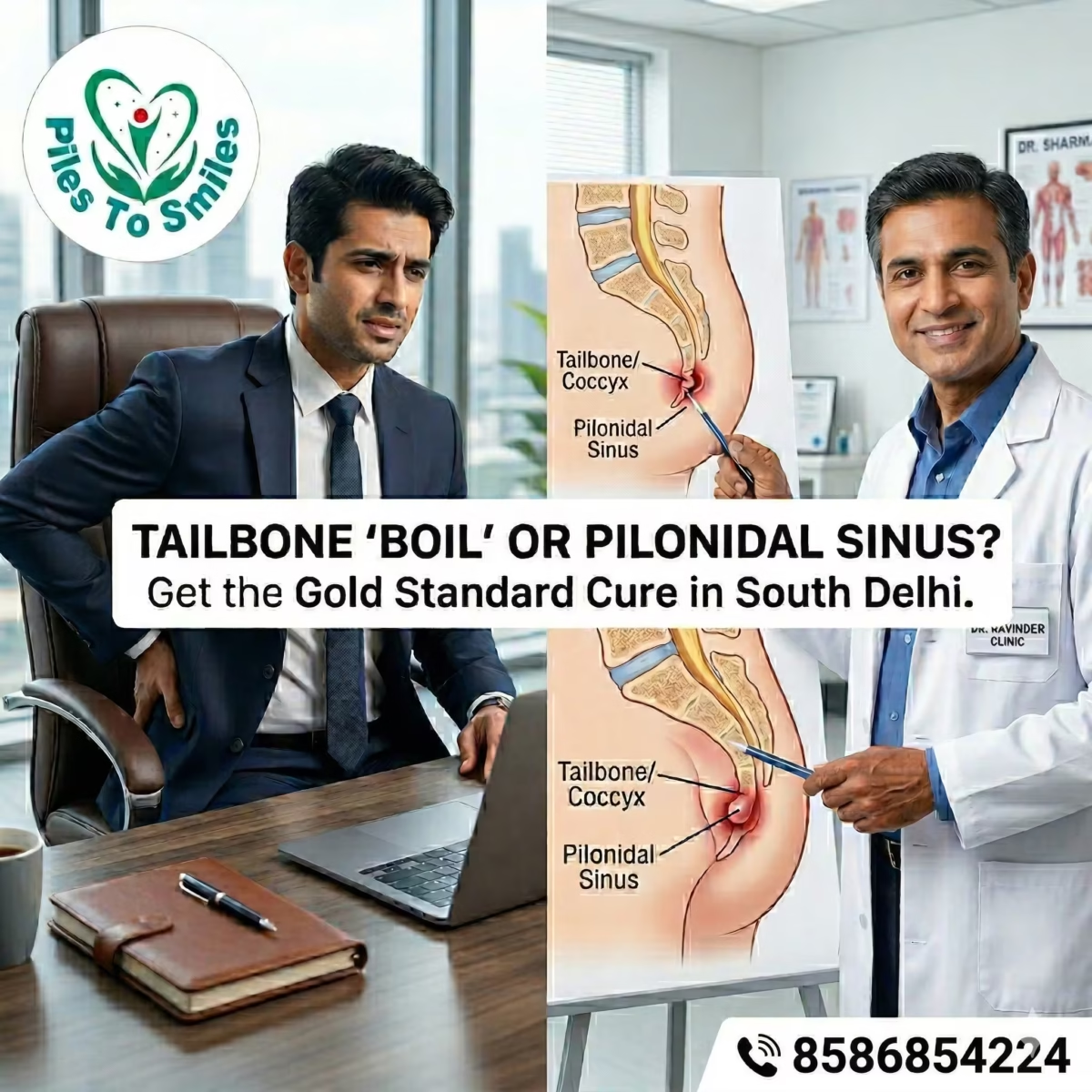
Pilonidal Sinus Specialist in Delhi: Is Your Tailbone “Boil” Actually a Sinus?

Medically Reviewed by Dr. Ravinder Sharma, MS (Ayurveda), Chief Consulting Proctologist
Reading Time: 5 Minutes
Location Focus: Vasant Kunj, South Delhi, Gurugram, Noida
________________________________________

The “Corporate Boil”: Is Your Desk Job the Culprit?

For professionals in Cyber City or Okhla, a painful lump at the base of the spine is often dismissed as a simple “gym injury” or heat boil. However, if you sit for 8+ hours a day and notice persistent swelling near your tailbone, you aren’t just dealing with a skin infection—you likely need a Pilonidal Sinus specialist in Delhi.

“From Stage 1 (painless ‘silent’ pits) to Stage 2 (acute ‘boil’ abscesses) and Stage 3 (chronic discharging tracks), the right clinical approach depends entirely on identifying your specific stage early.”

________________________________________

Is it a Simple Boil or a Pilonidal Sinus? (The Specialist’s Checklist)

Most patients attempt to “squeeze” or use over-the-counter ointments, thinking it’s a localized abscess. Here is how to tell the difference:

FeatureSimple Skin Boil (Abscess)Pilonidal Sinus (PNS)
LocationAnywhere on the bodyStrictly at the Natal Cleft (top of buttock crack)
AppearanceRed, raised, and “ripening”Often shows tiny “pits” or holes in the skin
RecurrenceUsually heals and never returnsHighly recurrent; clears up only to return weeks later
ContentsJust pus/infectionPus mixed with ingrown hair and debris
Pain LevelThrobbing until drainedDeep, “aching” pain that makes sitting impossible

While conventional ‘Wide Excision‘ involves large tissue removal, high recurrence, and weeks of bed rest, modern proctology favors approaches that preserve tissue and lifestyle.
________________________________________

The “Jeep Seat” Factor: Why Delhi-NCR is a Hotspot

Pilonidal Sinus is historically known as “Jeep Seat Disease.” In our local context, three factors make this region a hotspot:

1. The Sedentary Trap: 

Long commutes from Noida to Gurugram create constant friction and sweat in the tailbone area.

2. The “Hirsute” Factor: 

Deep natal clefts and thick hair growth (common in the North Indian demographic) increase the risk of hair embedding into the skin.

3. The Delhi Heat: 

Excessive sweating leads to maceration of the skin, making it easier for hair to penetrate and form a “sinus” (a tunnel).
________________________________________

The Specialist’s Choice: When to Use Laser vs. Ksharsutra

As a Pilonidal Sinus specialist in Delhi, I stay at the forefront of both modern and traditional surgical techniques. Patients need to understand that the “best” treatment depends entirely on the clinical staging of their condition:

  • For Stage 1 (Minor, Primary Pits): Laser (FiLaC) can be an effective, highly minimally invasive option. When the sinus is caught early, with no active infection or complex branching, laser energy can successfully seal the primary pit with virtually no downtime.
  • For Stage 2 & 3 (Abscesses & Complex Tracks): In my clinical experience at Piles To Smiles, once a patient develops an active abscess or multiple discharging tracks, Ksharsutra remains my preferred gold standard.

Ksharsutra vs. Laser: Why the Medicated Thread Wins

FeatureLaser Surgery Ksharsutra (Medicated Thread)
Cleaning MechanismSeals track via heat; risk of debris being trapped.Chemical debridement: continuously scavenges and cleans debris.
Success & RecurrenceVariable Success: Higher risk of recurrence in Stage 2/3 as surface closure can trap “dead space” or infection.98% Success Rate: Minimal recurrence risk as it forces the track to heal solidly from the base upwards.
Healing DirectionTop-Down: Focuses on surface closure, which can accidentally seal in underlying infection.Base-Upwards: Ensures the entire tunnel is filled with healthy tissue before the skin closes.
Tissue IntegritySurface Closure: Closes the opening but does not change the nature of the skin in the tailbone area.Strengthening: Induces “controlled fibrosis,” making the area physically less susceptible to future hair penetration.

In my South Delhi practice, I often see patients who have undergone laser elsewhere only to have the ‘boil’ return because the primary pits weren’t fully debrided. – Dr. Ravinder Sharma

________________________________________

The Piles To Smiles Advantage: Ksharsutra for Pilonidal Sinus

As a leading Pilonidal Sinus specialist in Delhi, I advocate for Ksharsutra (Medicated Thread Therapy). This is why our patients from South Delhi choose this over conventional surgery:

  • No Hospitalization: It is an OPD-based, minimally invasive procedure.
  • Back to Work: Most patients return to their desk jobs within 24–48 hours.
  • Zero Recurrence: The medicated thread debrides the entire track, ensuring no hair or infected tissue remains.
  • No Large Scars: We preserve the natural anatomy of the tailbone area.

________________________________________

When to Seek Urgent Consultation

If you reside in the Delhi-NCR area and notice these “Red Flags,” do not wait for the boil to “burst”:

🔴 Pus or Blood staining your clothes.

🔴 Foul-smelling discharge from the tailbone area.

🔴 Fever or Chills (signaling a systemic infection).

🔴 Inability to sit for more than 10 minutes.

________________________________________

The Treatment Timeline: Your Journey to Permanent Healing

Your Pilonidal sinus treatment journey at Piles To Smiles follows a simple 3-step path:

  1. Precise mapping of the track,
  2. A 20-minute OPD procedure to place the Ksharsutra under local anesthesia, and
  3. Brief weekly Ksharsutra change sittings.

Healing time varies based on complexity; however, daily routines are rarely interrupted.

________________________________________

Post-Care & Prevention: Staying Sinus-Free

  • Offload Pressure: Use a coccyx cushion.
  • Hygiene: Keep the area dry; consider laser hair reduction.
  • Movement: Move around for 2 minutes after every 45 minutes to boost circulation.

________________________________________

Verified Patient Testimonial

“I ignored a ‘pimple’ until it became an abscess. Other surgeons recommended 3 weeks of bed rest, which I couldn’t afford. Dr. Sharma’s Ksharsutra treatment had me back at my desk in 2 days. Highly recommended for professionals.”  — Aditya K., Senior Architect, Gurugram

________________________________________

Clinical Perspective

Disclaimer: While wide excision is a standard surgical approach, our clinical experience shows that for active professionals, the minimally invasive nature of Ksharsutra offers a more practical recovery profile with significantly lower recurrence rates.

Expert Care in Vasant Kunj

Stop the cycle of recurring pain. At Piles To Smiles, we combine ancient Ayurvedic precision with modern surgical diagnostics to give you a permanent, gold standard Ayurvedic surgical alternative.

About Piles To Smiles: 

Led by Dr. Ravinder Sharma, our Vasant Kunj clinic is a center of excellence for Ayurvedic Surgery. While we specialize in the 98% success rate of Ksharsutra for Pilonidal Sinus, we also provide expert care for complex Anal Fistula and Fissure cases using minimally invasive techniques.

FAQs: Pilonidal Sinus Specialist in Delhi

Who is the best Pilonidal Sinus specialist in Delhi for non-surgical treatment?

Dr. Ravinder Sharma at Piles To Smiles (Vasant Kunj) is widely regarded as a leading Pilonidal Sinus specialist in Delhi. He specializes in Ksharsutra (Medicated Thread Therapy), a minimally invasive Ayurvedic surgical technique that offers a 98% success rate and permanent healing without the long recovery time of conventional surgery.

Recurrence after laser (FiLaC/SiLaC) often occurs because the laser energy seals the track surface but may trap microscopic hair, debris, or infection inside the “dead space.” A specialist will often recommend Ksharsutra for recurrent cases because the medicated thread continuously “scavenges” and cleans the entire track, ensuring no infected tissue is left behind.

Yes. At Piles To Smiles, Vasant Kunj, we perform Pilonidal Sinus treatment as an OPD-based procedure. Using local anesthesia and the medicated thread technique, the procedure takes about 20–30 minutes. Patients can drive themselves home immediately and avoid the costs and downtime of a hospital stay.

Yes. At our South Delhi clinic, we use minimally invasive Ksharsutra which is an OPD-based procedure. Most professionals from areas like Cyber City, Okhla, and Noida resume their desk jobs within 24 to 48 hours. We recommend using a coccyx cushion to offload pressure during the healing period.

Clinical data and our experience at Piles To Smiles show a 98% success rate for Ksharsutra therapy. Unlike conventional surgery, which has high recurrence and requires weeks of bed rest, this Ayurvedic approach ensures solid biological healing from the base of the track to the surface.

Categories
Fistula

Ksharsutra Treatment Cost in New Delhi: Your 2025 Guide to Fistula Care

Navigating the discomfort of a fistula-in-ano can be challenging, and finding effective, long-lasting treatment is paramount. In New Delhi, many individuals are discovering the benefits of Ksharsutra treatment, an age-old Ayurvedic parasurgical technique renowned for its high success rates and minimal recurrence. If you’re considering this treatment, understanding the costs involved is a crucial step. This comprehensive guide will illuminate the financial aspects of Ksharsutra treatment for fistula in Delhi, helping you make an informed decision.

Understanding Ksharsutra Treatment for Fistula

Before delving into the financial aspects, let’s understand what Ksharsutra treatment entails. It involves the precise insertion of a specially prepared medicated thread (Ksharsutra) into the fistulous tract. This thread, coated with potent alkaline herbal medicines, gradually and simultaneously cuts through and heals the tract. This unique mechanism facilitates drainage, debrides unhealthy tissue, and promotes the growth of healthy tissue from the base, significantly reducing the chances of recurrence.

Key Benefits of Choosing Ksharsutra Treatment:

  • High Success Rate: Clinical evidence and studies consistently demonstrate a high success rate, often cited as high as 98% for chronic anal fistulas.
  • Low Recurrence Rate: Compared to conventional surgeries, Ksharsutra treatment boasts a significantly lower recurrence rate, offering a more permanent solution.
  • Minimally Invasive: It’s a less invasive procedure, often performed under local anesthesia, resulting in less post-procedure pain and discomfort.
  • Preserves Sphincter Function: A critical advantage is its ability to preserve the anal sphincter muscles, mitigating the risk of fecal incontinence, a potential complication of traditional surgery.
  • Faster Return to Routine: Patients can typically resume their normal activities relatively quickly, often within 2-3 days.
  • Reduced Hospital Stay: Ksharsutra is an outpatient procedure, eliminating the need for lengthy hospitalizations and contributing to overall cost savings and convenience.
  • Natural Healing: The medicated thread fosters natural tissue regeneration, leading to thorough and complete healing of the fistula tract.

Cost of Ksharsutra Treatment for Fistula in New Delhi: What to Expect

The cost of Ksharsutra treatment for fistula in New Delhi can vary considerably based on several influencing factors:

1. Complexity of the Fistula:

  • Type of Fistula: Simple fistulas generally require fewer sittings and are less expensive than complex, high, or multiple-track fistulas.
  • Length and Depth of the Tract: Longer and deeper fistula tracts necessitate more frequent Ksharsutra thread changes and a longer treatment duration, thereby increasing the overall cost.
  • Previous Surgeries/Failed Treatments: If you’ve undergone prior surgeries or treatments that were unsuccessful, the current Ksharsutra treatment might be more intricate and potentially cost more.

2. Clinic/Hospital and Doctor’s Expertise:

  • Reputation and Experience: Highly experienced Ayurvedic practitioners and well-established clinics with a strong track record may have higher consultation and treatment fees.
  • Infrastructure: Clinics equipped with advanced diagnostic tools and state-of-the-art facilities might have slightly higher overall treatment costs.
  • Location within New Delhi: Costs can vary marginally across different localities within Delhi, with prime areas potentially having higher charges.

3. Number of Sittings/Thread Changes:

Ksharsutra treatment typically involves multiple sittings where the medicated thread is changed at regular intervals (usually weekly or at 10 days intervals) until the tract completely heals. The total number of sittings directly impacts the overall cost, ranging from 4 to 9 changes, or even more for complex cases.

4. Pre and Post-Treatment Care:

  • Diagnostic Tests: Initial consultations and diagnostic tests like an MRI fistulogram might incur additional charges.
  • Medications: Post-treatment medications, including oral Ayurvedic medicines and topical applications, will add to the overall cost.
  • Follow-up Consultations: Regular follow-up appointments to monitor the healing progress are also part of the total expenditure.

Breakdown of Potential Expenses:

Here’s an estimated breakdown of costs you might encounter:

  • Consultation Fees: ₹500 – ₹2500 per consultation.
  • Diagnostic Tests: If required, an MRI fistulogram or other tests can range from ₹4,000 – ₹8,000.
  • Primary Ligation of Ksharsutra in the Fistula Tract: This initial procedure can range from ₹20,000 – ₹50,000, depending on the complexity of the fistula tract and the expertise of the treating doctor. More experienced practitioners often command higher fees.
  • Ksharsutra Change Weekly Charges (per sitting): This can range from ₹1500 to ₹3500 per sitting, depending on the clinic.
  • Medications & Dressings: The cost of prescribed Ayurvedic medicines and dressings for post-procedure care will be an additional expense.

How to Obtain an Accurate Cost Estimate:

For a precise cost estimate tailored to your specific case in New Delhi, it is highly recommended to:

  • Consult with Multiple Practitioners: Visit a few reputable Ayurvedic clinics or hospitals specializing in Ksharsutra treatment in Delhi. Discuss your condition in detail.
  • Undergo a Thorough Examination: A proper physical examination and potentially diagnostic tests will help the doctor accurately assess the complexity of your fistula.
  • Request a Detailed Treatment Plan: Ask for a clear breakdown of all estimated costs, including consultation fees, thread change charges, medication costs, and any other potential expenses.
  • Inquire about Package Deals: Some clinics might offer package deals for the entire course of treatment, which could prove more economical.
  • Clarify Hidden Costs: Always ask for a detailed breakdown of all potential expenses, including follow-up visits, medications, and any contingencies for complications.

Finding Reputable Ksharsutra Treatment in New Delhi

Choosing a qualified and experienced practitioner is crucial for successful Ksharsutra treatment. Here’s how to find a reputable clinic in New Delhi:

  • Look for Specialized Ayurvedic Clinics: Many clinics in New Delhi focus specifically on anorectal disorders using Ayurvedic techniques like Ksharsutra.
  • Check Practitioner Qualifications and Experience: Ensure the doctor is a qualified Ayurvedic physician (BAMS) with specific experience in Shalya Tantra (Ayurvedic surgery) and Ksharsutra procedures.
  • Read Patient Reviews and Testimonials: Online platforms like Practo and Justdial can offer valuable insights into patient experiences and doctor ratings.
  • Consult Multiple Clinics: Don’t hesitate to get consultations from a few different clinics to compare their approach, estimated costs, and what’s included in their treatment plan.
  • Inquire about Success Rates and Recurrence Rates: Ask about the clinic’s own statistics for Ksharsutra treatment for fistula.
  • Transparency in Consultation: A reputable clinic will offer a thorough initial consultation, clearly explain the procedure, expected healing time, and all associated costs upfront.

Some areas in New Delhi known to have clinics offering Ksharsutra treatment include Vasant Kunj, Rohini, Lajpat Nagar, Karol Bagh, Dwarka, and Indirapuram (Ghaziabad, NCR).

Is Ksharsutra Covered by Insurance?

It’s becoming increasingly common for health insurance policies in India to cover Ayurvedic treatments, including Ksharsutra, though coverage can vary. It’s essential to:

  • Contact Your Insurance Provider: Before commencing treatment, clarify with your insurance company whether Ksharsutra for fistula is covered under your plan and understand the specific terms and conditions.
  • Get Pre-Authorization: Your chosen clinic might assist you with the necessary paperwork for pre-authorization if required by your insurer.

Important Considerations Beyond Cost

While cost is a significant factor, it’s crucial to consider the long-term benefits and overall value of Ksharsutra treatment:

  • Healing Time: While minimally invasive, Ksharsutra treatment can have a longer healing time (several weeks to months) compared to immediate surgical excisions, as it involves gradual cutting and healing.
  • Pain Management: Though generally less painful than conventional surgery, some discomfort is expected and usually manageable with prescribed pain medication.
  • Post-Treatment Care: Adhering to dietary and lifestyle recommendations is paramount for optimal healing and preventing recurrence.

The True Value of Ksharsutra: Beyond the Price Tag

Looking beyond the immediate financial outlay, the true value of Ksharsutra treatment becomes evident when considering its long-term benefits and effectiveness:

  • High Success Rate & Low Recurrence: This is arguably the most compelling advantage. Ksharsutra consistently demonstrates a very high success rate in treating fistula-in-ano, with remarkably low recurrence rates (often cited as 3-5%). This stands in stark contrast to conventional surgeries, which can have recurrence rates of up to 26.5% or even higher for complex cases. A successful, long-lasting cure means avoiding repeat procedures, their associated costs, and prolonged suffering.
  • Minimally Invasive Nature: Unlike traditional surgery involving significant incisions and stitches, Ksharsutra is a gentle, gradual process, leading to:
    • Less Pain and Discomfort: Patients generally experience significantly less post-procedure pain compared to conventional surgery.
    • Faster Recovery: Most patients can resume their daily activities within 2-3 days, with complete healing typically occurring within 4-8 weeks, depending on the fistula’s complexity. This translates to less time off work and a quicker return to your normal life.
    • No or Minimal Hospitalization: Generally Ksharsutra procedure is performed on an outpatient basis or requires only a very short hospital stay (a few hours to 1-2 days), significantly reducing hospital charges.
  • Preservation of Anal Sphincter: A major concern with conventional fistula surgeries is the risk of damaging the anal sphincter muscles, which can lead to fecal incontinence. Ksharsutra treatment effectively minimizes this risk as it gradually cuts and heals, preserving the anal sphincter’s integrity – a critical factor for long-term quality of life.
  • Reduced Risk of Complications: The minimally invasive nature of Ksharsutra also translates to a lower risk of post-operative complications such as bleeding, infection, or anal stenosis (narrowing of the anal canal).
  • Holistic Healing: Ayurveda emphasizes a holistic approach to health. While the Ksharsutra directly treats the fistula, Ayurvedic practitioners may also recommend dietary and lifestyle changes to support overall well-being and prevent future issues.

Why Choose Piles to Smiles in Vasant Kunj, New Delhi for Ksharsutra Treatment?

When considering Ksharsutra treatment in New Delhi, Piles to Smiles in Vasant Kunj stands out as a leading choice, offering a unique blend of expertise, patient-centric care, and a commitment to successful outcomes. Here’s why you should consider them:

  • Specialized Expertise: Piles to Smiles exclusively focuses on anorectal disorders, with a deep specialization in Ksharsutra treatment for fistula. Their team of qualified Ayurvedic practitioners possesses extensive experience in this precise technique.
  • Experienced Practitioners: The doctors at Piles to Smiles are highly experienced in Shalya Tantra and have successfully treated numerous complex fistula cases using Ksharsutra, demonstrating a high success rate and low recurrence rate.
  • Patient-Centric Approach: They prioritize patient comfort and understanding. From the initial consultation, you’ll receive a clear explanation of your condition, the Ksharsutra procedure, expected healing time, and a transparent breakdown of all associated costs.
  • Comprehensive Care: Piles to Smiles offers comprehensive care, including thorough diagnostic assessments, meticulous Ksharsutra application, personalized post-treatment follow-up, and guidance on dietary and lifestyle modifications for optimal healing.
  • Minimally Invasive Focus: Their practice aligns perfectly with the benefits of Ksharsutra – emphasizing a minimally invasive approach that aims to preserve sphincter function, minimize pain, and facilitate a quicker return to your daily life.
  • Focus on Long-Term Results: Piles to Smiles is committed to providing lasting solutions, focusing on complete healing and minimizing recurrence, which ultimately saves you from future discomfort and expenses.
  • Positive Patient Experiences: Their reputation is built on positive patient testimonials and successful outcomes, reflecting their dedication to quality care.

By choosing Piles to Smiles in Vasant Kunj, New Delhi, you’re not just investing in Ksharsutra treatment; you’re investing in a team dedicated to your holistic well-being and a lasting solution to your fistula condition.

Conclusion: 

Navigating the discomfort of fistula-in-ano can be a significant challenge, but finding effective and lasting treatment is within reach in New Delhi. Ksharsutra treatment stands out as a highly effective Ayurvedic parasurgical technique, offering a high success rate and significantly lower recurrence compared to conventional surgeries. This minimally invasive approach prioritizes the preservation of anal sphincter function, leading to less pain, faster recovery, and a quicker return to daily life. While understanding the financial aspects is crucial, the true value of Ksharsutra lies in its ability to provide a permanent solution, saving individuals from the repeated procedures and prolonged suffering often associated with other treatments.

For those in New Delhi seeking this specialized care, choosing a reputable clinic with experienced practitioners is paramount. Factors like the complexity of the fistula, the expertise of the doctor, and the comprehensive nature of pre and post-treatment care all influence the overall cost. It’s highly recommended to consult with multiple practitioners, undergo a thorough examination, and request a detailed, transparent treatment plan to obtain an accurate cost estimate. Furthermore, exploring insurance coverage for Ayurvedic treatments can help alleviate financial concerns.

Ultimately, the decision to undergo Ksharsutra treatment is an investment in long-term health and well-being. Clinics like Piles to Smiles in Vasant Kunj exemplify the specialized expertise and patient-centric approach necessary for successful outcomes. By prioritizing comprehensive care, experienced practitioners, and a commitment to lasting results, individuals can confidently choose Ksharsutra treatment in New Delhi for effective and enduring relief from fistula-in-ano.

FAQs About Ksharsutra Treatment for Fistula in New Delhi

What is Ksharsutra Treatment for Fistula?

Ksharsutra treatment is a highly effective, Ayurvedic parasurgical technique specifically designed to treat fistula-in-ano. It involves the precise insertion of a medicated thread, known as Ksharsutra, into the fistulous tract. This specialized thread is coated with a unique blend of alkaline herbal medicines.

As the Ksharsutra remains in the tract, it continuously releases its herbal medication, working in several ways:

  • Gradual Cutting and Healing: The thread slowly and safely cuts through the unhealthy tissue of the fistula.

  • Promoting Drainage: It facilitates continuous drainage of pus and debris from the tract.

  • Debridement: The alkaline herbs help in debriding or removing unhealthy, infected tissue.

  • Encouraging Healthy Tissue Growth: Crucially, it stimulates the growth of healthy new tissue from the base of the tract, leading to complete healing.

This comprehensive action of the Ksharsutra significantly reduces the chances of recurrence, making it a preferred treatment for many.

The cost of Ksharsutra treatment for fistula in New Delhi typically ranges from ₹20,000 to ₹50,000 for the initial primary ligation. Subsequent weekly thread changes, which are crucial for successful healing, usually cost ₹1,500 to ₹3,500 per sitting.

Several factors can influence the overall cost of Ksharsutra treatment for fistula in New Delhi, including:

  • Complexity of the Fistula: Simpler cases may require fewer sittings, while complex or recurrent fistulas might necessitate 9 or more sittings, impacting the total cost.

  • Number of Sittings: The total number of thread changes (typically 4 to 9 or more, depending on the individual case) directly affects the final expenditure.

  • Clinic Reputation & Expertise: Established clinics in New Delhi with highly experienced Ayurvedic practitioners specializing in Ksharsutra may have different fee structures.

  • Diagnostic Tests: Before starting treatment, diagnostic tests like an MRI fistulogram (which can cost between ₹4,000 and ₹8,000 in New Delhi) are often recommended to accurately assess the fistula’s tract and complexity.

For an accurate cost estimate for your specific condition, it is always recommended to consult with a qualified Ayurvedic specialist in New Delhi.

To get the most accurate cost estimate for Ksharsutra treatment in New Delhi, here’s what you should do:

  • Consult Multiple Experts: Speak with several reputable Ayurvedic practitioners specializing in Ksharsutra. Different clinics may have varying fee structures.

  • Undergo a Thorough Examination: A precise diagnosis is crucial. The cost can depend on the complexity and severity of your condition, which can only be determined after a detailed examination.

  • Request a Detailed Treatment Plan: Ask for a transparent breakdown of all estimated costs. This should include:

    • Consultation fees

    • Costs for thread changes (if applicable)

    • Medications

    • Any other associated charges

  • Inquire About Package Deals and Hidden Costs: Some clinics might offer package deals that can reduce the overall cost. Also, explicitly ask about any potential “hidden” costs that might not be immediately apparent.

Yes, Ksharsutra treatment is increasingly covered by health insurance in India, as many policies now include Ayurvedic treatments.

However, coverage can vary significantly depending on your specific insurance provider and plan. It’s crucial to:

  • Contact your insurance provider directly to confirm if Ksharsutra for conditions like fistula is covered.

  • Understand the terms and conditions, including any pre-authorization requirements.

Ksharsutra treatment demonstrates a remarkable success rate for fistula, frequently reported to be as high as 98% for chronic anal fistulas. This highly effective Ayurvedic therapy also boasts a significantly lower recurrence rate, typically ranging from 3-5%. This is notably lower than conventional surgical methods, which can see recurrence rates of 26.5% or higher in complex cases.

Choosing the right treatment for an anal fistula is crucial. While conventional surgery is an option, Ksharsutra treatment offers several significant advantages, making it a preferred choice for many. Here’s why Ksharsutra often stands out:

  • High Success Rate & Low Recurrence: Ksharsutra provides a more permanent solution, with significantly reduced chances of the fistula returning compared to conventional surgery.

  • Minimally Invasive: Patients experience less pain and discomfort, often requiring no or minimal hospitalization.

  • Preserves Sphincter Function: A major concern with traditional surgery is the risk of fecal incontinence. Ksharsutra minimizes this risk by preserving crucial sphincter muscles.

  • Faster Return to Routine: You can typically resume your normal activities much quicker after Ksharsutra treatment.

  • Reduced Risk of Complications: Ksharsutra carries a lower risk of common surgical complications such as bleeding, infection, or anal stenosis.

  • Natural Healing: This treatment method fosters natural tissue regeneration, leading to more complete and lasting healing.

Considering these benefits, Ksharsutra presents a compelling alternative for effective and long-term fistula management.

The number of sittings for Fistula Ksharsutra treatment varies depending on the complexity and length of the fistula. Generally, the medicated Ksharsutra thread is changed at regular intervals, typically every 10 days or once a week, until the entire fistula tract has healed completely.

For most cases, this can range from 4 to 9 thread changes, with each change considered a “sitting.” More complex or longer fistulas, such as those measuring 4-6 cm, may require 8-10 sessions or potentially more. Your Ayurvedic proctologist will assess your specific condition to provide a more accurate estimate.

Ksharsutra treatment for fistula is generally not very painful. It’s a minimally invasive procedure, typically performed under local anesthesia. This means you’ll experience less pain and discomfort both during and immediately after the procedure, especially when compared to traditional fistula surgeries.

While some discomfort during the healing process is expected, it’s usually manageable with prescribed pain medication. Many patients find the post-procedure experience significantly more tolerable than conventional surgical methods.

To find a reputable Ksharsutra treatment clinic in New Delhi, consider the following key factors:

  • Specialization & Expertise: Look for Ayurvedic clinics that specifically focus on anorectal disorders and have qualified Ayurvedic physicians (BAMS) with demonstrable experience in Shalya Tantra (Ayurvedic surgery) and Ksharsutra procedures.

  • Patient Feedback: Prioritize clinics with strong positive patient reviews and testimonials on platforms such as Google Maps, Practo, and Justdial.

  • Transparency: A reputable clinic will offer a comprehensive initial consultation, providing a clear breakdown of the treatment plan, expected outcomes, and associated costs.

  • Success & Recurrence Rates: Don’t hesitate to inquire about the clinic’s success rates and recurrence rates for Ksharsutra treatment.

Common areas in New Delhi and NCR known for Ksharsutra clinics include: Vasant Kunj, Rohini, Lajpat Nagar, Karol Bagh, Dwarka, and Indirapuram (Ghaziabad, NCR).

Choosing the right clinic for Ksharsutra treatment is crucial, and Piles to Smiles in Vasant Kunj, New Delhi, stands out for several compelling reasons:

  • Specialized Expertise: Piles to Smiles focuses specifically on anorectal disorders, with a deep understanding and extensive experience in the Ksharsutra treatment. Their practitioners are highly skilled and dedicated to this specialized field.

  • Patient-Centric Care: They prioritize your understanding and comfort. You’ll receive clear explanations about your condition and the Ksharsutra procedure, along with transparent cost breakdowns upfront, ensuring you’re fully informed every step of the way.

  • Comprehensive & Lasting Results: The clinic is committed to providing comprehensive care that aims for long-term results. Patients often report a high success rate and low recurrence of their conditions after treatment at Piles to Smiles, backed by numerous positive patient experiences.

Considering these factors, Piles to Smiles offers a reliable and effective option for Ksharsutra treatment in Vasant Kunj, New Delhi.

Book Appointment